The 2026 FIFA World Cup will commence in North America with co-host Mexico facing South Africa in the opening match. The highly anticipated fixture is scheduled for a 19:00 GMT kickoff. Mexico City's Estadio Azteca will serve as the venue for this historic event, marking a significant moment for both the host nation and the global football community. The selection of Estadio Azteca shows its legendary status within the sport.
The Estadio Azteca is poised to make history by becoming the first stadium to host three FIFA World Cup opening matches. It previously held the inaugural games in 1970 and 1986, and will now add the 2026 opener to its legacy. This unique achievement solidifies the stadium's place in football folklore, having witnessed some of the sport's most iconic moments. The matchup between Mexico and South Africa echoes their encounter at the 2010 World Cup in Johannesburg, setting the stage for a compelling rematch on the grandest stage.
A World Cup First
The 2026 World Cup will mark several firsts for the global football tournament. It is the first time the event will be co-hosted by three countries: the United States, Mexico, and Canada. This tripartite hosting arrangement represents an unprecedented scale of collaboration in the tournament's history. The upcoming tournament is also the largest in the sport's history, featuring an expanded participation pool of 48 teams, an increase from the 32 teams in previous editions. This expansion reflects FIFA's commitment to making the World Cup more inclusive and providing more nations with the opportunity to compete at the highest level.
This expanded format translates into a significantly longer competition, with the 2026 World Cup scheduled as a 39-day tournament that will feature a total of 104 games. This substantial increase in matches will offer fans an extended period of world-class football. The new structure introduces a round of 32 for the first time in the World Cup's history, adding an extra knockout stage to the tournament. Under the new system, the top two teams from each of the 12 groups will advance, along with the eight best third-placed teams, to form the participants of this newly added knockout stage. This format aims to increase competitiveness and provide more opportunities for teams to progress deeper into the tournament. The 2010 match between Mexico and South Africa in Johannesburg, which serves as a historical precedent for the 2026 opener, attracted a substantial attendance, played in front of an 84,490-strong crowd, noting the immense public interest in these opening fixtures. This previous encounter was a memorable occasion, setting a high bar for the upcoming clash.
Team Form and Rankings
Mexico enters the 2026 World Cup opener as the 14th-ranked team in the FIFA rankings, reflecting their consistent performance on the international stage. Their opponent, South Africa, holds the 60th position globally according to the latest FIFA standings. These rankings provide a snapshot of the teams' current standing in world football, though World Cup matches often defy expectations.
Mexico's recent form shows a strong run, with the team currently unbeaten in their last eight international matches. This impressive streak demonstrates their current competitive edge and readiness for the high-stakes environment of the World Cup. This streak includes victories in their three most recent friendly matches, indicating a positive momentum leading into the tournament. Mexico secured wins against Ghana, Australia, and Serbia in these preparatory games, showcasing their ability to perform against diverse international opposition. These victories will undoubtedly boost the team's confidence as they prepare to host the opening match.
South Africa's recent friendly performances have been less consistent, suggesting they face a tougher challenge in building momentum. The team registered two draws and one loss in their last three exhibition matches, noting areas they may need to address. South Africa drew against Jamaica and Nicaragua, results that indicate a need for greater clinical finishing or defensive solidity. They also suffered a defeat when they faced Panama, a result that will serve as a reminder of the competitive nature of international football. Despite these mixed results, South Africa will be eager to prove their capabilities on the global stage.
Group Stage Outlook
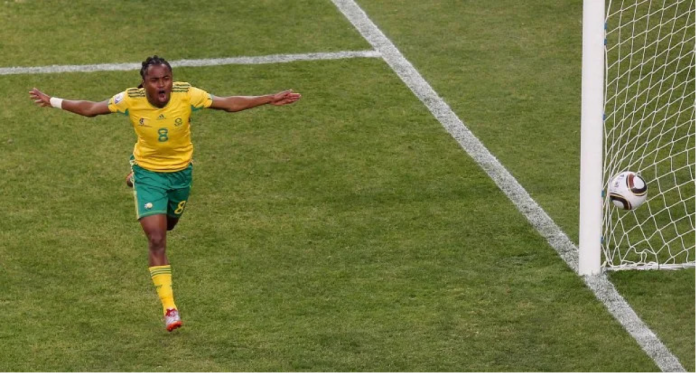
The 2026 World Cup opener will see Mexico and South Africa renew their rivalry from the 2010 FIFA World Cup, where the two teams played to a 1-1 draw. That match, held in front of a passionate home crowd in Johannesburg, provided a thrilling start to the tournament. During that 2010 tournament, hosted by South Africa, Siphiwe Tshabalala scored the opening goal for the host nation with a spectacular strike, igniting the vuvuzela-filled stadium. Rafael Marquez later netted an equalizer for Mexico, ensuring the points were shared in a memorable encounter. An estimated 80,000 fans are expected to fill the Estadio Azteca for the upcoming opening match, promising an electric atmosphere similar to the one experienced in 2010.
Historically, Mexico holds a slight edge in their head-to-head encounters, having secured two victories against South Africa. South Africa has won once, and one match between the two nations ended in a draw, which was the 2010 World Cup opener. This historical record adds another layer of intrigue to their upcoming clash, as both teams will be looking to improve their standing in this head-to-head rivalry. For South Africa, the 2026 tournament marks a significant return to the global stage after a 16-year absence from the competition, a period during which they have worked to rebuild their national team program. Their participation is a testament to their perseverance and ambition to compete with the world's best.
For the 2026 World Cup, Mexico and South Africa are grouped together in Group A, alongside Czechia and South Korea. This grouping sets up an exciting series of matches as these four nations vie for a spot in the knockout stages. The composition of Group A suggests a competitive fight for qualification, with each team bringing its unique strengths to the table. An opening ceremony is scheduled to precede the kickoff of the match, taking place 90 minutes before the game is set to begin. This ceremony will officially inaugurate the 2026 FIFA World Cup, celebrating the start of the tournament with cultural performances and festivities before the highly anticipated first whistle. The global football community eagerly awaits the spectacle that will unfold in Mexico City.