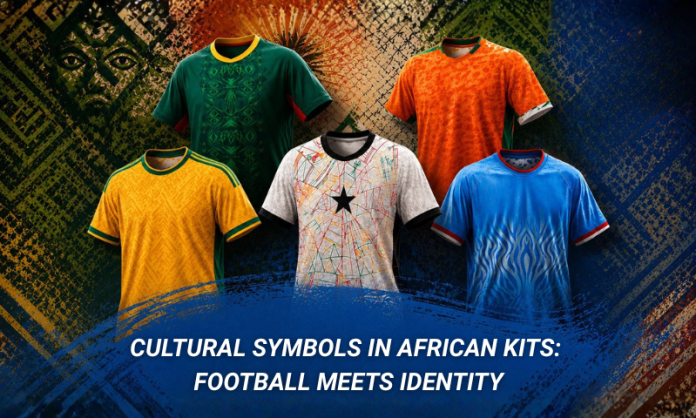
The article scrutinizes the designs for the Globe Cup 26 football kits of several African nations, providing an in-depth look at how culture and history are being interwoven into athletic apparel. It specifically examines the jerseys representing South Africa, Côte d’Ivoire, Senegal, Ghana, and DR Congo. These kits aim to integrate the respective countries' rich cultural heritage into their official uniforms for the upcoming international tournament, showcasing national identity on a global stage. The designs represent a conscious effort to connect the teams with their roots and their fans through a visual narrative.
Senegal and Ghana's Vibrant Narratives
Senegal's home shirt design incorporates elements from Dakar's Car Rapide minibuses, showcasing an intricate multicolour front graphic. This choice is particularly significant as the Car Rapide minibuses are iconic symbols of Senegalese urban life and vibrant street culture. The design captures the dynamic energy and visual complexity often associated with these distinctive vehicles. Its away kit features a deep green base, complemented by a tonal vertical pattern. This pattern draws inspiration from traditional Senegalese fabric art, reflecting the country's rich textile heritage and artistic traditions. The combination of modern urban symbols and traditional artistry provides a full representation of Senegalese identity.
Ghana's home kit displays a graphic pattern inspired by Kente woven cloth, a textile renowned for its intricate patterns and deep cultural significance in Ghana. The design also references the folklore figure Kwaku Ananse, a revered trickster spider figure central to Ghanaian storytelling and wisdom. This inclusion ties the kit directly to the country's oral traditions and symbolic narratives. For Ghana's away kit, a yellow base is utilized, adorned with tonal graphics. These graphics are inspired by Makola Market in Accra, a bustling hub of commerce and community, reflecting the vibrancy of Ghanaian daily life. Across both of Ghana's kits, the Black Star remains a central design element, symbolizing the nation's aspirations and its place as a guiding light for African liberation. The consistent presence of the Black Star reinforces a powerful national emblem across all kit variations.
Côte d'Ivoire and DR Congo's Identity
Côte d’Ivoire's home kit features an orange base, a color choice that directly references the national team's 'Les Éléphants' nickname and the country's significant football history. The orange color is not merely aesthetic but a direct nod to the team's powerful moniker. The design incorporates an animal-inspired texture, further emphasizing the elephant identity, which is a source of national pride and strength. Green details on the kit connect to the Ivorian national flag, ensuring that national colors are prominently featured and recognized. For their away kit, Côte d’Ivoire utilizes a white base adorned with botanical graphics, which are intended to reference the country's natural richness and abundant flora. This away design also includes orange and green details, maintaining a strong connection to the national colors and ensuring consistency in national representation, even with a different primary color.
DR Congo's home shirt displays a striped visual rhythm that appears to draw inspiration from the okapi, an animal native to the country. The okapi, often called the "forest giraffe," is a unique and elusive creature, making its inclusion a celebration of DR Congo's distinct biodiversity and natural heritage. This design choice notes the country's commitment to showcasing its endemic wildlife. The away kit for DR Congo features a geometric pattern. This design element may reference the traditional Kuba textiles, known for their intricate and abstract patterns. Kuba textiles are celebrated for their complex designs and careful craftsmanship, reflecting a sophisticated artistic tradition that dates back centuries. By integrating these patterns, the kit becomes a wearable piece of cultural art, connecting the team to a profound aspect of Congolese history and artistic expression.
South Africa's Language and Legacy
South Africa's home kit maintains the familiar yellow and green colors associated with the national team, Bafana Bafana. These colors are deeply ingrained in the national sporting psyche, instantly recognizable to fans across the country and beyond. In contrast, South Africa's away kit adopts a more classic design approach, offering a timeless aesthetic that complements the more vibrant home kit. Across both home and away shirts for the South African team, a tonal pattern has been incorporated. This pattern is designed to reference the country's 12 official languages, integrating a key aspect of South Africa's linguistic diversity into the visual identity of the kit. This thoughtful inclusion shows the nation's multiculturalism and its commitment to inclusivity. Both South African designs are intended to carry the memory of 2010, marking the year when South Africa proudly hosted football's biggest tournament. This historical reference connects the current kit designs to a significant moment in the nation's sporting past, invoking a sense of pride and legacy. The inclusion of the 12 official languages shows a profound commitment to national representation through design, celebrating every facet of South African identity.
Connecting Fans to Heritage
The strongest ideas incorporated into the kits stem from references supporters can recognize immediately, including language, team nicknames, folklore, markets, city transport, colors, and history. These design choices aim to create an immediate and powerful connection between the apparel and the cultural identities of the respective nations. The integration of elements such as South Africa's 12 official languages, Côte d’Ivoire's 'Les Éléphants' nickname, Ghana's Kwaku Ananse folklore, and Senegal's Car Rapide minibuses serves to ground the designs in locally understood symbols. These choices ensure that the kits are not just uniforms but also cultural statements. Additionally, references to markets like Accra’s Makola Market and historical events, such as South Africa's 2010 hosting of the Globe Cup, further enhance the kits' resonance with fans, creating a sense of shared heritage and collective memory. These carefully chosen elements transform each jersey into a canvas for national pride and cultural storytelling, allowing players and fans alike to wear their heritage with distinction.