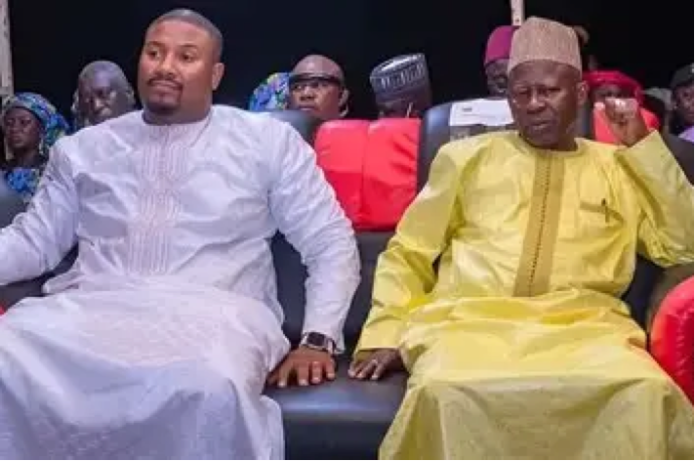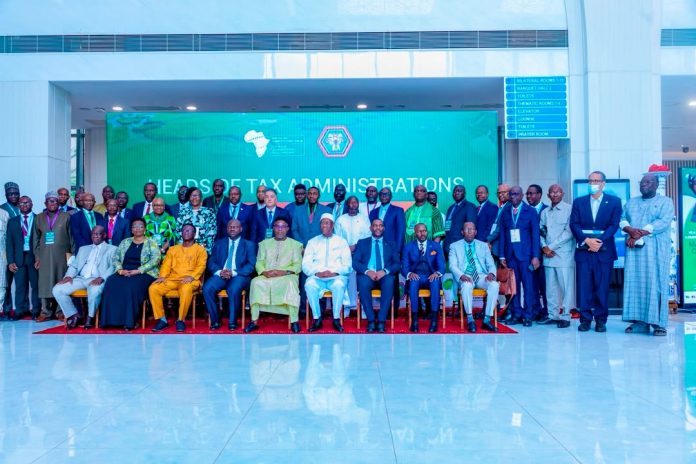
Heads of tax administrations from across Africa have convened in Banjul for the 7th Heads of Tax Administrations Master Class (HTAMC). The gathering commenced in The Gambia's capital, bringing together leaders to address critical issues facing tax authorities on the continent. This significant event shows the collective commitment of African nations to strengthen their fiscal foundations. The 7th HTAMC is expected to focus on leadership excellence, digital transformation initiatives, strategies for combating illicit financial flows, and overall enhancements to tax administration. These discussions aim to strengthen revenue mobilization efforts across African nations, recognizing the key role of domestic resources in driving sustainable development. The master class provides a key platform for sharing best practices and fostering collaboration among tax leaders.
Africa's Revenue Potential
Africa’s tax revenue has seen substantial growth over the past two decades, quadrupling in total collection. This impressive increase in absolute terms reflects concerted efforts by many African governments to broaden their tax bases and improve collection mechanisms. Despite this increase in absolute terms, tax revenue as a proportion of Gross Domestic Product (GDP) has declined across the continent. This trend indicates that while overall revenue collection has risen, economic growth has outpaced the expansion of the tax base, presenting a challenge for sustained public financing.
A significant gap remains when comparing Africa's tax-to-GDP ratios with those of more developed economies. The average tax-to-GDP ratio among countries belonging to the Organisation for Economic Co-operation and Development (OECD) is approximately 34 percent. This figure notes the strong revenue collection capabilities of these economies. In stark contrast, the average tax-to-GDP ratio for Sub-Saharan Africa stands at around 16 percent. This disparity notes the considerable potential for African nations to enhance their revenue mobilization efforts and reduce reliance on external financing. Addressing this gap is key for achieving greater economic independence and funding essential public services. The discussions in Banjul aim to address these challenges and explore strategies to bridge the existing revenue gap, ultimately fostering greater fiscal resilience across the continent.
Driving High-Performance Institutions
The two-day executive leadership forum in Banjul is proceeding under the theme, “Leading for Greatness: Shaping High-Performance Tax Administrations.” This central theme emphasizes the importance of strong leadership in developing tax institutions capable of meeting the continent's revenue mobilization goals. The forum provides a unique opportunity for Commissioners General and heads of tax administrations to engage in peer learning and strategic planning. Discussions during the forum aim to equip tax leaders with strategies to enhance the efficiency and effectiveness of their respective administrations, ensuring they are well-prepared to tackle contemporary fiscal challenges.
The Vice President of The Gambia, Mohammed B.S. Jallow, acknowledged the significance of the theme. He reiterated the forum's focus, stating, "Leading for Greatness: Shaping High-Performance Tax Administrations." Vice President Jallow showed how this focus aligns with broader efforts to improve governance and public service delivery across African nations, emphasizing that efficient tax administration is a cornerstone of good governance. The forum's agenda includes sessions on capacity building, technological integration, and fostering organizational cultures that prioritize performance and accountability. These elements are considered vital for transforming tax administrations into high-performing entities that can effectively contribute to national development. The engagement among participants seeks to identify and implement best practices that will strengthen tax systems and promote fiscal sustainability, laying the groundwork for future economic prosperity.
Voices from the Forum
The conference in Banjul has gathered Commissioners General and heads of tax administrations from across the African continent. These leaders are focusing on strategies to enhance revenue mobilization and improve tax systems, recognizing that strong domestic resource mobilization is key to achieving national development agendas. Discussions at the forum highlight the significant economic opportunities available through strengthened fiscal management. Participants are exploring innovative approaches to broaden tax bases, improve compliance, and combat illicit financial flows, which drain vital resources from African economies.
Recent assessments indicate that Africa could unlock up to US$1.43 trillion in additional annual financing. This substantial figure represents the continent's immense untapped potential. Of this total, nearly US$469 billion could be generated solely through improvements in tax administration, according to figures discussed at the event. These statistics show the potential impact of the reforms and collaborations being discussed among the continent's tax leaders, demonstrating that strategic enhancements in tax systems can yield significant financial gains. Such improvements would allow African nations to invest more in critical sectors such as infrastructure, education, and healthcare.
The Gambia, as the host nation, has demonstrated its commitment to these goals by projecting an increase in its tax-to-GDP ratio. The country's tax-to-GDP ratio is expected to rise from 9 percent in 2022 to 13 percent by 2025. This projected growth exemplifies the efforts being made by individual nations to bolster their domestic revenue collection, serving as an encouraging example for other African countries. The commitment of host nations like The Gambia to improve their own tax systems further reinforces the collaborative spirit of the HTAMC and its mission to foster fiscal strength across Africa.