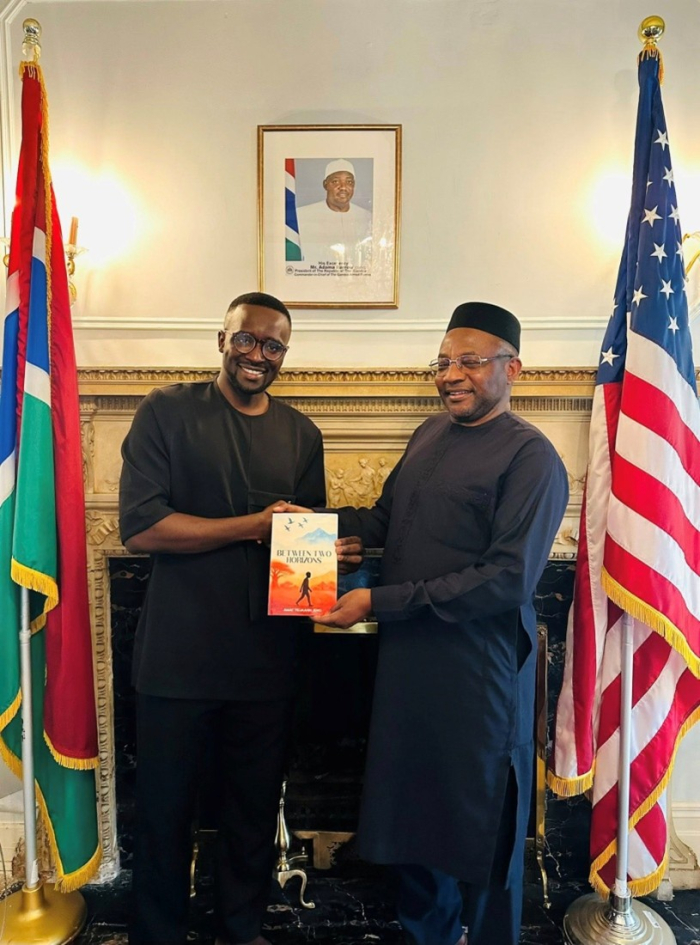
An author who performed Hajj this year described the logistics for the pilgrimage as a disaster, noting significant challenges faced by Gambian pilgrims. This individual's personal experience forms the basis of a stark critique, detailing the myriad issues encountered during the sacred journey. The author stated that while Gambians are not subsidized for Hajj, they consistently receive substandard services, pointing to broader issues within the country's administration. This consistent disparity, where pilgrims pay for a premium experience but receive inadequate provisions, shows a systemic problem. Rampant corruption was cited as mirroring the dark governance of the past, contributing to a severe lack of leadership that permeates various sectors. This alleged mismanagement, extending far beyond the Hajj arrangements, has led to failing infrastructure, the collapse of healthcare services, and a rise in poverty across The Gambia, painting a grim picture of the nation's current trajectory. The author of the open letter urged President Adama Barrow not to seek another term in office, linking the Hajj experience to the nation's overall governance problems and suggesting that the current leadership is ill-equipped to address these deep-seated issues. The entire Hajj operation, from planning to execution, was unequivocally described as a disaster, reflecting a broader malaise within the Gambian administrative machinery.
Hajj Arrangements: A Disastrous Experience
The Hajj Committee directly managed arrangements for the pilgrimage, a decision that left travel agencies with minimal control over operations. This centralized control, without apparent effective oversight or execution, became a significant point of contention. Gambian pilgrims were subsequently informed they would not spend the night at Muzdalifah, a site described as one of the essential pillars of Hajj. This fundamental alteration to the pilgrimage ritual was met with considerable dismay and confusion among the faithful. The allotted time for pilgrims at Muzdalifah was further reduced from one hour to a mere 10 minutes, severely limiting their ability to perform the necessary rites and reflections at this key location. The cumulative effect of these changes significantly diminished the spiritual experience for many.
Pilgrims reported that the food provided throughout the Hajj was consistently poor, failing to meet basic standards of quality and nutrition. On Eid day, dinner was deemed unacceptable by many attendees, further exacerbating their already challenging circumstances. Charity food packages were distributed for breakfast, according to pilgrims, raising questions about the adequacy of the planned meal provisions and the reliance on external, unplanned donations. This reliance on charity for basic sustenance noted a profound failure in logistical planning and resource allocation.
Conditions in the Mina tents, specifically in Zone 2, were described as unsanitary, with reports of a widespread smell of raw sewage making the environment unbearable. Pilgrims also stated they slept on mats described as discarded, indicating a severe lack of proper bedding and hygiene. Adding to the challenging conditions, Gambian pilgrims shared toilet facilities with other nationals who reportedly treated them with disrespect, further eroding their dignity and comfort during the sacred journey. The overall living conditions reflected a profound neglect of the pilgrims' basic needs and well-being.
Logistical failures extended profoundly to transportation, where buses were reportedly hired with drivers unfamiliar with the routes. This critical oversight resulted in pilgrims getting lost for six hours, enduring prolonged periods of uncertainty and discomfort in the unfamiliar terrain. The lack of experienced drivers not only caused delays but also added significant stress and anxiety to an already arduous journey. Later, further exacerbating the transportation woes, only two buses were available to transport the entire Gambian contingent back to Mecca from Mina, a grossly insufficient number that led to further delays and overcrowding. This severe bottleneck in transportation planning demonstrated a clear lack of foresight and adequate resource provision for the large group of pilgrims.
The Human Cost of Neglect
The impact of these systemic failures was particularly acute for the most vulnerable. Younger pilgrims were instructed to walk or arrange their own transportation from Mina, according to accounts from the Hajj. This directive, issued without apparent consideration for the diverse needs of the pilgrim population, placed an unfair burden on many. This decision left elderly pilgrims behind in tents without access to food, creating a humanitarian crisis within the Gambian contingent. One Gambian man, demonstrating remarkable selflessness and compassion, reportedly used his own funds to purchase food for these stranded elderly individuals, stepping in where official provisions had failed. This act of individual generosity noted the dire circumstances caused by the official neglect.
Further transportation issues emerged when a bus scheduled for 10:00 AM did not arrive until 7:00 PM, causing significant delays for pilgrims who were left waiting for hours under harsh conditions. Medical services also faced severe criticism, with multiple incidents pointing to a breakdown in care. A doctor reportedly declined to visit an elderly lady in her room who was unable to walk to the designated medical area, demonstrating a shocking lack of empathy and professional responsibility. This refusal forced an already frail individual to endure further hardship. Another incident involved a doctor who, while treating a patient, reportedly lost focus upon the arrival of his superior, suggesting a culture where hierarchy overshadowed patient care. This incident showed a troubling prioritization within the medical team, where appearances seemed to take precedence over immediate patient needs. Many elderly pilgrims were unable to visit holy sites due to a reported lack of guidance and companionship during the pilgrimage, further diminishing their spiritual experience and denying them the full benefits of Hajj. These widespread logistical and medical shortfalls contributed significantly to the challenges faced by Gambian pilgrims during the Hajj, turning a spiritual journey into an ordeal of endurance and neglect. The overall experience was marred by a profound absence of structured support and compassionate care for those who needed it most.
Broader Governance and Leadership Failures
The author contended that the responsible Minister should have been dismissed following the cough syrup scandal, arguing that accountability is critical in good governance. The open letter further criticized President Adama Barrow for his public statement that "only 40" children had died during the same scandal, a remark perceived as dismissive of a tragic loss of life and indicative of a lack of empathy. This minimization of the death toll sparked outrage and deepened public mistrust. Beyond health crises, the author also faulted the president for not acknowledging the daily hardship stemming from persistent electricity shortages across The Gambia, a fundamental issue that impacts every aspect of daily life and economic activity. This perceived disconnect between the leadership and the lived realities of ordinary citizens was a significant point of contention. Economic concerns were additionally raised, with the author criticizing President Barrow for permitting prices to escalate significantly during the holy month of Ramadan, a period when many families struggle with increased expenses. This failure to control inflation during a sensitive time was seen as a profound betrayal of public trust. The author expressed disapproval of the president's perceived inaction regarding the head of the National Assembly, who was seen as sowing discord, allowing internal political divisions to fester rather than addressing them decisively. These criticisms collectively paint a picture of a government that is out of touch, ineffective, and failing to prioritize the well-being of its citizens. The Hajj experience, in this broader context, serves as a microcosm of these larger governance failures, where disorganization, lack of accountability, and disregard for the populace's welfare are consistently evident. The author’s critique suggests that the issues faced by pilgrims are not isolated incidents but rather symptoms of a deeper, systemic problem within the country's leadership and administrative structures.
A Call to Action and Change
Amidst the difficulties, a beacon of resilience and solidarity emerged. Gambian women pilgrims demonstrated notable camaraderie and support during the Hajj, according to accounts from the pilgrimage, forming a vital network of mutual assistance. Their level of cleanliness was also appreciated, drawing positive comparisons to women from other nations present, noting their dedication to hygiene even in challenging conditions. The author of the open letter suggested that Gambian men should act as protectors and leaders for women, fostering an environment of safety and respect. While acknowledging their positive attributes, the author also urged Gambian women themselves to be intentional and disciplined, follow queues, and practice proper bathroom etiquette, emphasizing the importance of collective responsibility for order and hygiene.
The author advised against sending elderly parents to Hajj if one has not performed the pilgrimage oneself or cannot accompany them, stressing the profound challenges and potential neglect faced by vulnerable pilgrims without adequate support. This advice stems directly from the observed hardships and the need for dedicated care for the elderly during such an arduous journey. The letter also stated that loyalty to friends cannot come at the expense of the lives of the Gambian people, a powerful admonition against cronyism and corruption that prioritizes personal connections over public welfare. A concern Gambian in the Diaspora showed this sentiment by quoting a Quranic verse: "Indeed, Allah will not change the condition of a people until they change what is in themselves.” (Surah Ar-Ra’d 13:11). This profound verse serves as a call for introspection and a collective shift in mindset and behavior, suggesting that true progress must originate from within the community itself. The author additionally emphasized that the cultural concept of Maslaha, referring to compromise or appeasement, must be abandoned when it is deemed inappropriate for the circumstances. This implies that while compromise has its place, it should not be used to excuse corruption, incompetence, or injustice, especially when the well-being and lives of the people are at stake. The letter concludes with a fervent plea for genuine reform and a re-evaluation of national priorities, urging both leaders and citizens to embrace accountability, integrity, and a renewed commitment to the welfare of The Gambia. The Hajj experience, therefore, stands not merely as a tale of logistical failures but as a powerful parable for the state of the nation, demanding urgent attention and fundamental change.