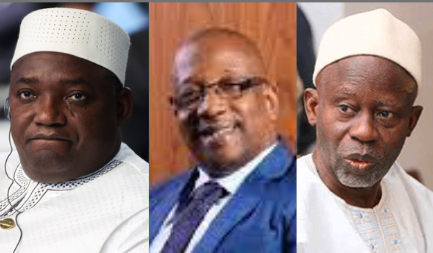
The Gambia struggles with a chronic illness described as "tone-deafness to truth" and a societal convenience for "sugar-coating," locally known as 'Mashlahaa'. This challenge persists as political figures navigate the country’s landscape, often influencing the very fabric of governance and public accountability. The inherent difficulty in confronting unpalatable truths and the societal inclination towards 'Mashlahaa' present significant obstacles to transparent leadership and strong institutional development. This widespread issue affects how political narratives are constructed and how public grievances are addressed, or sometimes, left unaddressed. It shapes the environment in which policy decisions are made and scrutinised, fostering a climate where critical feedback might be softened or ignored for the sake of perceived harmony or political expediency.
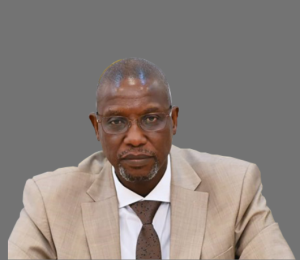
Ousainu Darboe, leader of the United Democratic Party (UDP), played a prominent role in The Gambia's coalition government during 2017 and 2018. His involvement was central to the political transition following a significant period in the nation's history. As a leading figure in the United Democratic Party, Mr. Darboe's actions and statements often draw considerable attention within the Gambian political arena. More recently, the UDP leader featured in a video circulated on social media, sparking widespread discussion. In the video, Mr. Darboe appeared to mock President Adama Barrow while also criticizing the ongoing power outages and blackouts affecting the country. This public critique, delivered through a widely accessible platform, noted pressing infrastructural challenges and reflected a broader sentiment of public dissatisfaction regarding essential services. The video's content showed the political tensions and the critical issues that continue to dominate public discourse in The Gambia, particularly concerning governance and the provision of basic necessities.
The Gambian Question and Its History
The Gambian Question since independence was never truly answered, according to Musa Basadi Jawara, a perspective that suggests a foundational unresolved issue at the heart of the nation's identity and political trajectory. Musa Basadi Jawara stated, "The Gambian Question since independence was never truly answered," articulating a profound sentiment regarding the country's post-colonial journey. This observation points to a persistent struggle to define and solidify the nation's political and social framework in a manner that fully addresses its unique challenges and aspirations. The Gambian experiment began as an improbable nation, given its geographical characteristics and colonial legacy. Its very existence as an independent state presented a unique set of circumstances for nation-building and governance.
On February 18, 1965, the British Monarch delivered the Magna Carta of the nation's nationhood to Sir Dawda Kairaba Jawara, marking the formal commencement of The Gambia's sovereignty. This key moment established the constitutional foundation upon which the nascent state would attempt to build its future. Sir Dawda Kairaba Jawara, the author's uncle, ushered in a career in politics that would span decades and significantly shape the country's early development. His leadership was instrumental during the formative years of Gambian independence. For thirty years under Sir Dawda, The Gambia survived as a democracy, a remarkable achievement in a region often characterised by political instability and authoritarian rule. This period of sustained democratic governance, though not without its challenges, became a defining feature of the nation's early history, establishing a precedent for civilian rule. However, this democratic continuity was tragically interrupted and derailed by the coups of 1981 and 1994. These military interventions represented significant ruptures in the country's democratic fabric, altering its political landscape and posing fundamental questions about the resilience and future of its institutions. The 1981 coup attempt, though ultimately suppressed, served as an early warning of underlying vulnerabilities, while the 1994 coup successfully overthrew the long-standing democratic government, ushering in a new era for The Gambia. These events show the fragility of nascent democracies and the persistent challenges faced by post-colonial states in consolidating stable political systems. The legacy of these interruptions continues to influence contemporary political debates and the ongoing efforts to strengthen democratic institutions in The Gambia.
Critique of Current Political Practices
United Democratic Party (UDP) leader Ousainu Darboe is reportedly seeking either his fifth or sixth five-year term, a pursuit that notes the enduring presence of long-serving political figures in The Gambian landscape. This ambition for continued leadership raises questions about political succession, the emergence of new leadership, and the evolution of democratic practices within the country. The prospect of such an extended tenure for a political leader often prompts discussions about the benefits of experience versus the need for rejuvenation and fresh perspectives in national governance. Mr. Darboe had previously pursued a bid to replace the presidency before his dismissal, an event that marked a significant turning point in his political career and in the dynamics of the coalition government. This move to challenge the incumbent president from within the governing alliance demonstrated a deep-seated ambition and a willingness to contend for the highest office, ultimately leading to his removal from a prominent government position. The circumstances surrounding his dismissal continue to be a subject of political analysis and public debate, reflecting the complexities and internal power struggles that can characterise coalition governments.
Across the border in Senegal, a significant political development recently unfolded when Ousmane Sonko was removed from the premiership. This event had repercussions beyond Senegal's borders, drawing the attention of political observers and actors in neighbouring countries, including The Gambia. Following this development, UMC leader Talib Bensouda was observed in Dakar attending the National Congress of Pastef, the political party associated with Mr. Sonko. Mr. Bensouda's presence at such an event, especially in the wake of Mr. Sonko's removal, indicates a keen interest in regional political dynamics and potential alliances or expressions of solidarity. During the event, Mr. Bensouda took photographs with former Prime Minister Ousmane Sonko, a gesture that can be interpreted in various ways, from a simple diplomatic courtesy to a more deliberate political statement. Such public appearances and interactions between political leaders from neighbouring nations often carry symbolic weight, signalling alignments, shared ideologies, or mutual support in the broader West African political context. The attendance of a Gambian political leader at a major congress of a Senegalese opposition party, particularly one led by a recently removed Prime Minister, notes the interconnectedness of political developments within the sub-region and the ways in which leaders learn from, and react to, events in neighbouring states. These interactions show the importance of regional political networks and the potential for cross-border influence in shaping national political narratives and strategies.
The Path to Genuine Reform
GALA and other organizations are planning a protest scheduled from June 15 to June 19, demonstrating a concerted effort by civil society to advocate for change and accountability. The planned demonstrations aim to highlight various issues in The Gambia, ranging from governance concerns to socio-economic challenges that affect the daily lives of citizens. Such public expressions of dissent are key for a healthy democracy, providing a platform for citizens to voice their grievances and demand action from their elected representatives. The coordination of multiple organisations for a multi-day protest signifies a broad-based movement, indicating that the issues being raised resonate with a significant portion of the population. These protests serve as a vital mechanism for holding government accountable and for pushing forward agendas for genuine reform, ensuring that the concerns of the populace are not overlooked. The focus on specific dates and the involvement of multiple groups suggest a strategic approach to maximising impact and drawing national, and potentially international, attention to the critical issues at hand.
Separately, the author engaged in a campaign to address poverty within The Gambia, an initiative driven by a commitment to direct community support and sustainable development. This full effort included providing water access through the installation of boreholes in communities, a fundamental intervention aimed at improving public health and reducing the burden of water collection, particularly for women and children. The provision of clean and accessible water is a cornerstone of community well-being and economic development. Educational support was also a component of the campaign, with the provision of classrooms for students, thereby enhancing learning environments and expanding access to quality education. The campaign specifically supplied bicycles for girls to facilitate their attendance at school, recognising the unique challenges girls often face in accessing education due to distance and safety concerns. This targeted intervention aimed to empower young girls by removing barriers to their schooling, promoting gender equality in education. The poverty alleviation efforts extended to horticultural support for local farmers, aiming to boost agricultural productivity and enhance food security within communities. By providing resources and knowledge in horticulture, the campaign sought to strengthen local economies and improve livelihoods through sustainable farming practices. Additionally, the campaign supplied protective gear to vulnerable populations, addressing immediate health and safety needs, especially in contexts where communities might be exposed to environmental or occupational hazards. The distribution of blankets also formed part of the effort, addressing immediate needs within the communities, particularly during colder seasons or for those lacking adequate shelter. These multifaceted interventions collectively aimed to tackle various dimensions of poverty, from basic needs like water and shelter to long-term empowerment through education and sustainable agriculture, reflecting a holistic approach to community development and welfare. These efforts show the importance of grassroots initiatives in complementing broader national development strategies and directly addressing the pressing needs of the Gambian populace.