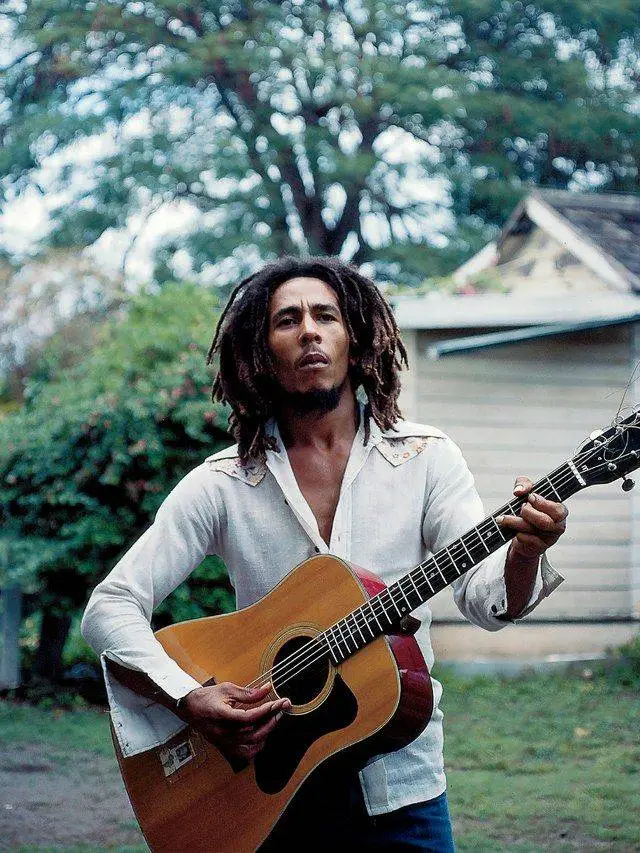
Bob Marley, the iconic reggae musician and global cultural figure, was born in Jamaica on May 11, 1945. His life, marked by influential music and advocacy for peace and unity, concluded in Miami in 1981. Marley's journey from his birth in Jamaica to his passing in Miami spanned a period during which he transformed reggae into a worldwide phenomenon. His songs, often imbued with messages of liberation and social justice, resonated far beyond the Caribbean. Though his life was relatively short, the impact of his artistry continued to grow, cementing his legacy as one of the 20th century's most significant musical voices. His enduring presence in popular culture notes the timeless relevance of his messages and the unique sound he pioneered.
Roots and Early Life
Jamaica, the birthplace of Bob Marley, held different names throughout its history. In 1493, Christopher Columbus referred to the island as Yamaye in a log entry, while its initial inhabitants called it Xaymaica. The name Jamaica became established after the British assumed control of the island in 1655. This rich historical tapestry of names reflects the island's diverse past and the various influences that shaped its cultural identity, an identity that would later be powerfully expressed through Marley's music.
Bob Marley was known by several aliases and nicknames during his life, including Donald, The Skipper, The Tuff Gong, The Duppy Conquerer, The Small Axe, and a Soul Rebel. These names often reflected different facets of his personality, his spiritual beliefs, or his perceived role in the world. Before his rise to fame, Marley spent a period living in Wilmington, Delaware, where he worked in an auto plant. This time away from Jamaica offered a different perspective, though his roots remained deeply embedded in his homeland. In 1966, Bob Marley temporarily withdrew from music, reportedly disillusioned by what he perceived as corruption within the Jamaican music industry. This brief hiatus shows his integrity and his commitment to the purity of his artistic vision, even in the face of industry challenges. His eventual return to music would mark the beginning of his ascent to global stardom, fueled by an unwavering dedication to his craft and his message.
Musical Vision and Themes
Bob Marley's music explored a range of moods and modes, encompassing sexual, political, and spiritual themes. His lyrical depth allowed him to address complex human experiences and societal issues with profound insight. He transformed Jamaica's history into focused, intricate music that addressed reality while being infused with magical elements. This unique blend of the tangible and the mystical gave his songs a universal appeal, speaking to both the struggles and the aspirations of people worldwide. His creative process drew heavily from his surroundings and community, reflecting the vibrant cultural landscape of Jamaica.
Kwame Dawes, in his study Bob Marley: Poetic Genius, observed how Marley developed his lyrical content. Dawes wrote, "Marley would pull ideas from those around him—the jokes, the encouragement, the wisdom of those who spoke with the natural poetic authority that many Rastafarians are known for." This influence helped shape the depth and authenticity of Marley's songwriting, grounding his poetic expressions in the lived experiences and oral traditions of his community. His ability to distill these everyday interactions into profound lyrical statements was a hallmark of his genius.
Marley himself acknowledged the profound impact of his home country and its people on his artistry. In a 1978 interview with a Jamaican magazine, Bob Marley stated, "Well, is the people of Jamaica really make me what I am. Is them say ‘go Bob’…. I sing, the people applaud. Them people down here is the greatest people in the world. Is them build I and I." This statement showed the reciprocal relationship between the artist and his audience, noting the foundational role of Jamaican society in his musical identity. It reveals his deep connection to his homeland and its inhabitants, who were not just his audience but also his inspiration and his bedrock.
Bridging Divides
Bob Marley's music ultimately transcended racial and geographic boundaries, now embraced by whites, blacks, Hispanics, Asians, Americans, Africans, and Jamaicans. This broad appeal was not always immediate during his early international career. An August 11, 1973, Melody Maker review of a Wailers concert in New York City noted the demographic of their audience. A critic observed, "[The Wailers] found themselves playing to largely unconverted ears…and, with virtually no exception, white ears." This initial reception notes the journey Marley's music undertook to achieve its widespread recognition, moving from a niche audience to a global phenomenon.
Marley himself recognized the challenges in reaching certain audiences. In a September 1976 interview with High Times, Bob Marley expressed his desire for wider listenership. He stated, "Well, I hear dat we not gettin’ through to black people. Well, me tell de R and B guy now, he must play dis record because I wan’ get to de people." This quote illustrates Marley's conscious effort to expand his reach and ensure his message resonated across all communities, demonstrating his commitment to universal appeal. His dedication to reaching diverse listeners was a driving force behind his international touring and recording efforts.
Despite initial audience demographics, Marley's impact on music critics and the broader industry grew significantly. By 1976, Playboy magazine published a highly complimentary assessment of his band’s musical prowess. The publication wrote, "Let’s say this right up front and underline it twice: Bob Marley and the Wailers seem to have emerged as the finest rock-‘n’-roll band of the Seventies…. And that includes the Beatles, Otis Redding, the Stones, all of them. That’s how good they are." This critical acclaim contributed to his expanding global recognition, moving beyond initial niche audiences and solidifying his reputation as a musical force. Such high praise from a mainstream publication showed the undeniable quality and originality of his work, propelling him further into the global spotlight.
Enduring Legacy
Bob Marley was inducted into the Rock and Roll Hall of Fame in 1994 by Bono, solidifying his place among music's most influential figures. His ongoing cultural presence continues to be recognized decades after his passing. Bob Marley would have turned 81 years old on May 11, 2026, marking the continued impact of his birth and musical contributions. His induction into the Rock and Roll Hall of Fame showed the global recognition of his artistry, which transcended genres and left a lasting impression on popular music and social consciousness. The ceremony noted the enduring power of his messages of peace, unity, and rebellion, which resonate with new generations of listeners worldwide. His legacy is not just in the music he created, but in the profound cultural and social changes he inspired, making him a timeless icon whose influence continues to shape global conversations about justice, freedom, and human connection.