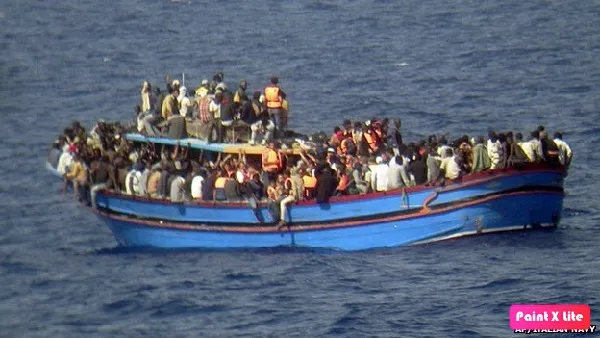
The Mauritanian Coast Guard rescued 38 survivors and recovered one deceased person near Nouadhibou on July 18 following a migrant shipwreck. The tragic incident involved individuals attempting to traverse the perilous Atlantic route, a journey that continues to claim numerous lives. The survivors were brought ashore by the Coast Guard after their vessel encountered severe difficulties off the coast of Mauritania, showing the immense dangers faced by those seeking to reach European shores.
Survivors' Ordeal and Rescue
The vessel, which had departed from The Gambia, was carrying approximately 180 people when it embarked on the perilous journey across the Atlantic. After spending 25 days at sea, a grueling and extended period, the ship encountered severe difficulties, leading to the urgent rescue operation. The Mauritanian Coast Guard’s timely intervention on July 18 was key in saving the lives of the 38 individuals. However, the scale of the tragedy is immense, as at least 143 individuals from the vessel are still missing and are now feared to have perished in the incident. Among the 38 survivors brought ashore by the Mauritanian Coast Guard are two children who reportedly lost their parents and a younger sibling during the harrowing ordeal, noting the profound human cost of these journeys. The recovery of one deceased person further confirms the deadly nature of the crossing.
The Perilous Atlantic Route
The West African Atlantic route to the Canary Islands has already seen a confirmed 168 lives lost this year, a stark reminder of its inherent dangers. Beyond these confirmed fatalities, two suspected "invisible shipwrecks" are currently under verification, and these incidents may have claimed hundreds more lives, according to reports from humanitarian organizations monitoring the route. This maritime path, frequently used by migrants attempting to reach European shores, continues to pose significant and often fatal dangers to those who undertake it.
Despite the well-documented risks, the route remains active. Arrivals in the Canary Islands this year have reached 4,440 individuals, indicating the persistent efforts of migrants to reach Europe. This figure represents a notable decrease compared to the same period last year, when a significantly higher number of 11,575 arrivals were recorded in the Canary Islands between January and July. While the numbers fluctuate, the overall trend indicates the persistent use of this hazardous maritime path despite the high risks involved, driven by complex factors in their home countries.
IOM's Plea for Action
The International Organisation for Migration (IOM) has consistently called for enhanced international cooperation to address the challenges of irregular migration routes, including the perilous Atlantic crossing. The organization frequently notes the urgent need for safer and legal pathways for migrants and refugees to prevent deaths at sea and ensure human dignity. The IOM emphasizes that incidents like the recent shipwreck off Mauritania show the urgent necessity for full strategies to tackle this humanitarian crisis. These strategies, according to the IOM, should include strengthening search and rescue operations to respond more effectively to emergencies at sea, combating human trafficking networks that exploit vulnerable individuals, and tackling the root causes of forced migration in West Africa and other regions. The organization actively works with governments, including Mauritania and The Gambia, to improve migration management policies and provide essential assistance to vulnerable migrants throughout their journeys.