Budgetary limitations are severely impacting critical operational areas of the Gambia Armed Forces, according to recent assessments. These constraints affect essential needs such as fuel availability, equipment maintenance, training programmes, and logistics support for the country's security institutions. The ongoing budgetary constraints continue to affect these critical operational areas, directly impacting the defence sector's capacity to function effectively. Inadequate funding remains a significant challenge for the defence sector, directly hindering its operational effectiveness and capacity to respond to security demands. This persistent inadequacy in funding is considered one of the most significant challenges facing the defence sector as a whole. The ongoing financial pressures create difficulties for maintaining readiness and ensuring the necessary resources are available for personnel and equipment. This situation has implications for the overall functioning and capabilities of the national security apparatus, making it challenging to meet evolving security demands.
Operational Challenges Detailed
Ageing military vehicles, coupled with increasing operational commitments and maintenance demands, continue to strain the Gambia Armed Forces' fleet management systems. These factors place considerable pressure on the armed forces’ ability to manage and maintain its vehicle assets effectively. Delays have also been acknowledged in the procurement and distribution of essential military uniforms, boots, and personal protective equipment for personnel, impacting their readiness and welfare.
Challenges persist regarding medical logistics, the availability of necessary medical equipment, and the overall capacity for emergency medical support within the forces. These issues directly affect the health and well-being of military personnel, potentially compromising rapid response capabilities in medical emergencies. Improvements are still required in critical infrastructure areas within military establishments, specifically concerning water supply systems, waste management, washroom facilities, and general environmental sanitation. These deficiencies in basic infrastructure collectively impact the daily operations and welfare of military personnel, contributing to a less than optimal working and living environment.
Infrastructure and Equipment Deficiencies
Shortages of modern and adequate equipment persist within the Gambia Armed Forces, a situation attributed to competing national priorities. These shortages of adequate and modern equipment continue to exist, posing a significant hurdle to operational effectiveness. The deficiencies extend across various operational needs, impacting the forces' capacity to effectively carry out their duties, from surveillance to peace-keeping missions. These equipment gaps are a direct consequence of the broader budgetary constraints affecting the defence sector, which necessitate difficult choices in resource allocation across government departments. The need to balance defence spending with other national development priorities often means that essential equipment upgrades are postponed or scaled back.
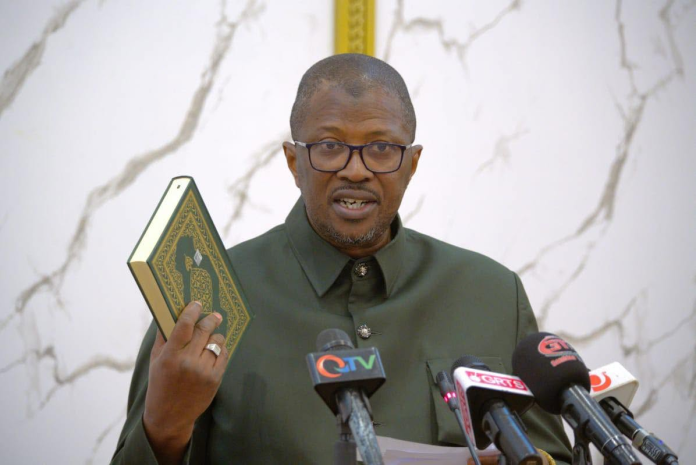
Existing military infrastructure, including barracks, offices, training facilities, and operational posts, is in urgent need of rehabilitation, expansion, and modernisation. This requirement stems from the age of the current infrastructure and the rising demands of ongoing security operations. The existing military barracks, offices, training facilities, and operational posts require rehabilitation, expansion, and modernisation due to their ageing condition and the increasing operational demands placed upon them. The Defence Minister, Baboucarr Joof, previously outlined how these infrastructure deficits contribute to operational challenges and affect the welfare of military personnel. Addressing these deficiencies is key for enhancing the operational effectiveness and long-term sustainability of the Gambia Armed Forces, ensuring that personnel have appropriate facilities for living, training, and working.
Minister's Acknowledgement and Outlook
Manpower limitations continue to pose a significant challenge for the Gambia Armed Forces, affecting operational capabilities. These manpower limitations remain a significant challenge for the armed forces, impacting their ability to fully staff all necessary positions and execute all required tasks. This constraint is one of several issues impacting the overall effectiveness of the security sector, alongside equipment and infrastructure deficiencies. Some military catering facilities require substantial improvements across several areas, including infrastructure, equipment, and hygiene standards. Managing the food supply for these facilities also needs attention to ensure adequate provisions for personnel, directly affecting morale and health. These challenges are expected to persist, with a full resolution anticipated by June 24, 2026. The identified issues collectively contribute to the broader operational difficulties faced by the armed forces, showing the full nature of the challenges confronting the defence sector.