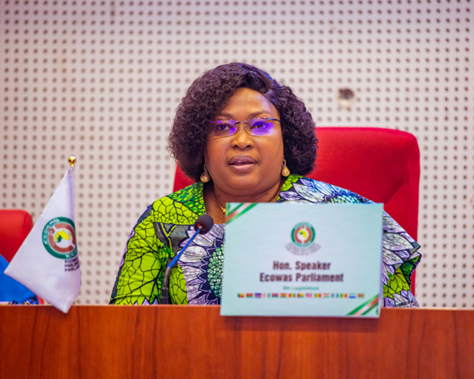
The ECOWAS Parliament adopted a resolution on Friday, May 15, 2026, condemning xenophobic attacks targeting West Africans and other African migrants in South Africa. The parliamentary body stated that these acts of violence undermine African unity, regional cooperation, and the pan-African spirit. The resolution specifically addressed the recent instances of violence occurring in the country, noting the urgent need for action to protect vulnerable populations and uphold the principles of regional integration. This firm stance by the ECOWAS Parliament shows the growing concern across the continent regarding the recurring nature of such incidents. The resolution serves as a formal expression of disapproval and a call for accountability from the South African government.
Parliamentary Action and Demands
The ECOWAS Parliament called on the South African government to prosecute individuals responsible for the violence and to guarantee the safety of African migrants within its borders. The parliamentary body expressed that it was "deeply concerned" by the incidents, emphasizing the severe impact these attacks have on individuals and the broader African community. In its resolution, the parliament reminded South Africa of its commitments under several key continental and regional agreements. Specifically, it cited the African Union Protocol on the Free Movement of Persons, the ECOWAS Protocol on the Free Movement of Persons, Goods and Services, and the African Charter on Human and Peoples’ Rights. These protocols and charters establish fundamental rights and responsibilities concerning the movement and treatment of individuals across African nations. The resolution stated that "The acts of violence undermine African unity, regional cooperation and the pan-African spirit," a sentiment echoed throughout the parliamentary discussions.
The parliament also urged African leaders, civil society organizations, and media outlets to intensify campaigns promoting tolerance, unity, and pan-African values across the continent. This call to action aims to foster a more inclusive environment and combat the underlying prejudices that fuel xenophobic sentiments. The resolution noted the importance of education and public awareness in countering misinformation and promoting mutual respect among African peoples. Additionally, the Speaker of the ECOWAS Parliament received a mandate to transmit the resolution to the Pan-African Parliament for further consideration, indicating a desire for broader continental engagement on the issue. This step suggests a coordinated effort to address xenophobia at a pan-African level, seeking to leverage the influence of multiple regional and continental bodies. The resolution further encouraged ECOWAS member countries to strengthen their bilateral and multilateral frameworks designed to protect their citizens residing abroad, ensuring that West African nationals living in other African countries receive adequate support and protection.
Context of Attacks and Impact
The attacks in South Africa followed reports of renewed xenophobic violence occurring in April and May 2026. These incidents prompted significant concern among regional bodies and international observers, drawing widespread condemnation. The violence targeted individuals identified as foreign nationals within South Africa, leading to widespread disruption and insecurity for many communities. Reports from various sources detailed the harrowing experiences of those affected, painting a grim picture of the situation on the ground.
Several West African nationals were among those reportedly attacked, displaced, and left homeless as a direct consequence of the xenophobic incidents. Individuals from countries such as Ghana, Nigeria, and Senegal, among others, were specifically mentioned in reports. These individuals faced assault, threats, and the destruction of their homes and businesses. Reports indicated that individuals from various West African countries faced assault and were forced to abandon their residences and livelihoods, often with little to no warning. The displacement created an urgent humanitarian situation for those affected, many of whom lost all their possessions and sources of income. The attacks not only resulted in physical harm but also inflicted deep psychological trauma on the victims, many of whom had sought refuge or economic opportunities in South Africa.
The attacks resulted in loss of life, destruction of property, and the displacement of communities across affected areas. These consequences show the severe human and material cost of the violence, impacting both individuals and the stability of communities. Homes and businesses were reportedly vandalized or destroyed, leaving many without shelter or means of income and exacerbating existing socio-economic vulnerabilities. The displacement of communities further exacerbated the instability caused by the attacks, creating a ripple effect of insecurity and hardship. The economic activities of many migrants, often in the informal sector, were severely disrupted, leading to significant financial losses for individuals and their families both in South Africa and in their home countries.
Broader Implications for Unity
The resolution, adopted at the conclusion of the ECOWAS Parliament's First Ordinary Session in Abuja, represented a significant regional stance. The First Ordinary Session of the ECOWAS Parliament took place in Abuja from May 4 to May 17, 2026, providing a key platform for addressing pressing regional issues. During this session, the parliament encouraged member countries of the Economic Community of West African States (ECOWAS) to reinforce their bilateral and multilateral frameworks designed to protect their citizens residing abroad. This proactive measure aims to establish stronger support systems for West African migrants and ensure their safety and rights are upheld, irrespective of their location on the continent.
South Africa has been the subject of repeated criticism concerning outbreaks of xenophobic violence in recent years, making the ECOWAS Parliament's resolution a continuation of a long-standing dialogue on the issue. The parliament urged ECOWAS member states to summon South African ambassadors in their respective countries to formally protest the attacks. This diplomatic action signifies the gravity with which the ECOWAS Parliament views the ongoing violence and its potential to destabilize regional relations. The parliamentary body stated it was "deeply concerned" by the incidents, emphasizing the need for a strong and effective response from the South African government. According to the resolution, "The acts of violence undermine African unity, regional cooperation and the pan-African spirit," a powerful statement reflecting the collective disappointment and frustration among West African nations regarding the treatment of their citizens. The ongoing nature of these attacks poses a significant challenge to the vision of a unified and integrated Africa, where all citizens can move and reside freely without fear of discrimination or violence.