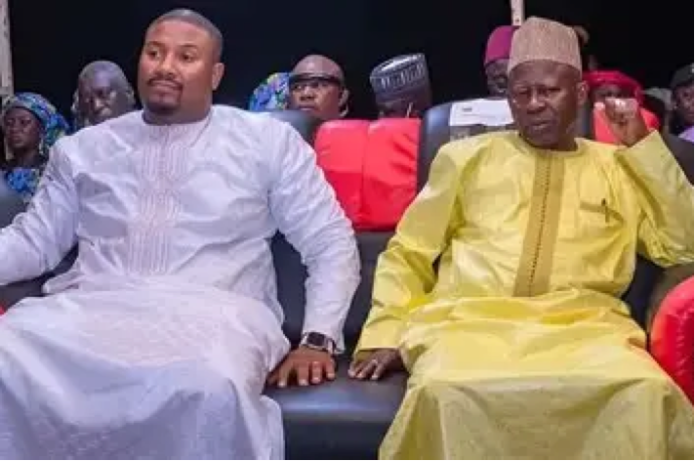
The Foni Berefet District Tribunal Court heard a land dispute on Wednesday, July 22, 2026. The hearing, which concerned a land dispute between two families, took place at the District Tribunal Court in Somita Village. This specific location, within the Foni Berefet District, served as the venue for the initial proceedings of the contentious land claim. District Chief Junkung Camara presided over the proceedings, overseeing the presentation of arguments from both sides. The court session concluded with Chief Camara adjourning the matter, signaling a pause in the direct hearings to allow for further examination. The dispute is now scheduled to resume on Wednesday, July 30, 2026, when the court will reconvene to address the ongoing claims and the findings of the ordered investigations.
Sanyang's Claim and Prior Efforts
The land dispute involves Bakau Sanyang, a resident of Ndemban Chapichum, and Cherno Gibba from Ndemban Tenda. Both parties claim ownership of the same piece of land, which lies at the heart of the protracted disagreement. Bakau Sanyang asserted that the land currently utilized by Cherno Gibba for his cattle belongs to his late father, Kekoto Sanyang. Sanyang stated, "The land where Cherno Gibba’s cattle are kept belongs to my late father, Kekoto Sanyang." This declaration formed the basis of his claim, rooting it in ancestral ownership. He also indicated that he has been attempting to reclaim the land for an extended period, noting, "I have been asking him for the past three years to return the land to me." This timeframe notes the persistent nature of the dispute prior to its arrival in court.
Efforts to resolve the disagreement have included several meetings held at the Ndemban Arabic School. Bakau Sanyang confirmed these discussions, stating, "We held several meetings at the Ndemban Arabic School." These community-level attempts at mediation show the local impact of the dispute. He additionally claimed that while "Members of Cherno Gibba’s family agreed that the land should be returned, but Cherno himself did not accept the proposal." This assertion points to a potential internal division within the Gibba family regarding the land's rightful ownership or at least a resistance from Cherno Gibba himself to relinquish the property. Cherno Gibba, however, countered Sanyang’s assertions, emphasizing his family's long-standing use of the property. Gibba stated, "Our family’s animals have been kept on this land for nearly 40 years," and affirmed, "I have a legitimate claim to the land." He further declared, "The land does not belong to Bakau Sanyang’s family."
Bakau Sanyang provided historical context for his claim, alleging that his grandfather had established residence in Ndemban before Cherno Gibba’s father arrived in the area. Sanyang stated, "My grandfather settled in Ndemban before Cherno Gibba’s father came." This historical narrative is key to Sanyang's argument, suggesting his family's prior claim to the land based on earlier settlement. He also alleged that his family had subsequently allocated a portion of that land to Cherno Gibba’s father. Sanyang elaborated, "Our family later gave part of the land to his father, who originally came from Bitta Village in Foni Bintang District." This detail about the origin of Cherno Gibba's father aims to establish a specific context for how the Gibba family came to occupy the land, suggesting it was through an allocation, not inherent ownership.
Gibba's Counterarguments
Cherno Gibba, based in Ndemban Tenda, presented his counterarguments to the tribunal, directly challenging Bakau Sanyang's assertions of ownership. Both parties in the dispute claim title to the same piece of land, a central point of contention in the ongoing proceedings. Gibba stated that his family's use of the property has been long-standing, encompassing several decades.
Gibba affirmed, "Our family’s animals have been kept on this land for nearly 40 years." This statement showed his family's continuous presence and utilization of the land in question, presenting a case for ownership based on long-term occupation and customary use. He further maintained that his family holds a valid claim to the property. Gibba declared, "I have a legitimate claim to the land," asserting his belief in his family's rightful ownership and disputing any notion that the land was merely allocated to his father.
Cherno Gibba rejected all the claims previously made by the plaintiff, Bakau Sanyang. He directly countered Sanyang's statement that the land belonged to his late father, Kekoto Sanyang, thereby seeking to invalidate the core of Sanyang's ancestral claim. Gibba insisted that Bakau Sanyang had no ownership rights over the property. He explicitly stated, "The land does not belong to Bakau Sanyang’s family," thereby refuting the core of Sanyang's case and emphasizing his family's independent claim to the land. Gibba's rejection extended to Sanyang’s historical narrative, implicitly challenging the assertion that his father received the land as an allocation from Sanyang's family.
Gibba's testimony suggested a deep-rooted belief in his family's entitlement to the land, based on their extensive history of occupation and use. His arguments aim to dismantle Sanyang's narrative of prior ownership and subsequent allocation, presenting an alternative history of continuous, legitimate possession. The tribunal's investigation will now need to weigh these conflicting claims and the evidence supporting each family's assertion of ownership, including the historical narratives and the duration of occupation.
Tribunal's Next Steps
The Foni Berefet District Tribunal has ordered further investigations into the land dispute between Bakau Sanyang and Cherno Gibba before continuing the case. This decision reflects the complexity of the claims and the need for additional evidence beyond the initial testimonies. District Chief Junkung Camara presided over the hearing, which concluded with a directive for a thorough review of the claims presented by both parties. The tribunal's decision follows conflicting testimonies regarding ownership and a history of attempts to resolve the matter outside of court, noting the difficulty in reaching a consensus without formal intervention.
Bakau Sanyang, a resident of Ndemban Chapichum, asserted that the land in question belongs to his late father, Kekoto Sanyang. Sanyang previously stated, "The land where Cherno Gibba’s cattle are kept belongs to my late father, Kekoto Sanyang." This claim forms the foundation of his legal argument, emphasizing generational ownership. He also claimed that efforts to reclaim the land from Cherno Gibba had been ongoing for some time, noting, "I have been asking him for the past three years to return the land to me." This three-year period shows the persistent nature of the dispute before it escalated to the tribunal. Sanyang further indicated that several meetings were held at the Ndemban Arabic School to address the dispute, demonstrating attempts at local resolution. During these discussions, according to Sanyang, "Members of Cherno Gibba’s family agreed that the land should be returned, but Cherno himself did not accept the proposal." This alleged disagreement within the Gibba family adds another layer of complexity to the resolution efforts.
Cherno Gibba, from Ndemban Tenda, has maintained his family's long-standing use of the property. Gibba stated, "Our family’s animals have been kept on this land for nearly 40 years," emphasizing the duration of their occupation as a basis for their claim. He also affirmed, "I have a legitimate claim to the land," asserting his family's right to the property. He also directly refuted Sanyang's claims by stating, "The land does not belong to Bakau Sanyang’s family," unequivocally rejecting Sanyang's assertion of ownership.
To address these differing accounts and gather full evidence, a senior panel member stated that the tribunal would conduct an on-site visit to Ndemban. During this visit, the tribunal intends to examine the disputed land directly and consult members of the community for additional insights. This investigative step is designed to gather more evidence and contextual information before the case proceeds, ensuring a thorough understanding of the historical and current use of the land. The aim of this visit is to verify physical boundaries, observe the current state of the land, and gather oral testimonies from long-term residents who might have knowledge relevant to the dispute. District Chief Junkung Camara formally adjourned the matter until Wednesday, July 30, 2026, allowing time for these investigations to be completed and for the tribunal to prepare for the next phase of the proceedings.