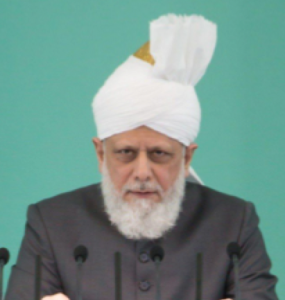
The Jalsa Salana (Annual Convention) of the Ahmadiyya Muslim Community UK is scheduled to commence next week, focusing on core tenets of Islamic faith. Central to the community's teachings is the concept that faith is fundamentally divided into two parts: patience and gratitude. This foundational principle shows the dual nature of a believer's response to life's circumstances. If a believer experiences something positive, they are expected to show gratitude, and this is considered beneficial for them. Conversely, if a believer encounters difficulty, exhibiting patience is equally regarded as good. For any nation or community to truly thrive and succeed, it must cultivate a spirit of gratitude, according to these principles. The community's teachings emphasize that a nation destined for divine blessings is often granted a long life and the capacity to express gratitude, noting the profound connection between these virtues and national well-being.
Divine Teachings on Gratitude
Islamic teachings emphasize that God created countless bounties for humankind before their creation, a fact that warrants inherent gratitude. Indeed, God created countless bounties for humankind before creating them, a truth that inherently demands a deep sense of thankfulness from humanity. Every prophet has guided their people to be grateful servants to their Lord, showing the universality of this principle in faith. The Holy Prophet (sa) exemplified this through his actions, consistently demonstrating gratitude to God. The Holy Prophet (sa) exhibited gratitude to God through his every action, providing a perfect model for believers. When asked why he prayed so fervently, the Holy Prophet (sa) reportedly replied, "Should I not be a grateful servant to my Lord?" This response notes his profound and continuous recognition of divine blessings.
Islamic belief holds that a person who is not grateful to other people cannot truly be grateful to God. Similarly, an individual unable to express gratitude for something small will struggle to be grateful for something substantial. The teaching further asserts that those who do not show appreciation to their fellow human beings are, by extension, not grateful to God. This interconnectedness shows the importance of interpersonal gratitude as a pathway to divine gratitude. If one did not show gratitude to God's servant, then he had not shown gratitude to God.
Ruminating on the blessings bestowed by God is considered a direct form of gratitude. Conversely, not speaking about God's bounties is regarded as a form of ungratefulness. Regarding interpersonal gratitude, if someone receives a favor and responds with "Jazakallah Khair" or "May Allah give you the best reward," they are understood to have adequately expressed their appreciation. If someone received a favour and they say Jazakallah Khair or ‘May Allah give you the best reward’, then they have done justice to showing gratitude. It is taught that if one does not show gratitude to God's servant, they have not ultimately shown gratitude to God Himself. A prayer taught within Islamic tradition articulates this sentiment: "O God, whatever blessing I have received this morning is from You. You are One and have no partner, and all praise and gratitude are for You." This prayer encapsulates the daily recognition of divine providence and the continuous need for thankfulness, serving as a reminder of God's singular role as the source of all blessings.
Prophetic Examples of Gratitude
The Holy Prophet (sa) exemplified gratitude in his daily life, even in routine actions. After having answered the call of nature, the Holy Prophet (sa) would pray, "All praise belongs to Allah, Who removed from me that which was harmful and granted me health." This practice noted his consistent acknowledgment of divine blessings, even in the most mundane aspects of existence. Similarly, when seeing his reflection, the Holy Prophet (sa) would offer another prayer, stating, "All praise belongs to Allah Who created me a good appearance and good morals and made beautiful in me that which is perceived to be faults in others." This prayer demonstrates gratitude for both physical well-being and moral character, reflecting a holistic appreciation for God's creation.
The Holy Prophet (sa) also taught that if God had blessed an individual with wealth, that prosperity should be evident from the manner in which they presented themselves. This teaching aligns with the broader Islamic principle that "Allah is beautiful, and He loves beauty," as stated by the Holy Prophet (sa), encouraging believers to reflect divine beauty in their lives through appropriate and thankful presentation of their blessings.
Significant events also prompted profound expressions of gratitude from the Holy Prophet (sa). During the Battle of Badr, upon receiving news of Abu Jahl's defeat and death, the Holy Prophet (sa) immediately fell into prostration before God as a sign of his gratitude. This spontaneous act of prostration showed his immediate recognition of divine assistance in triumph. Later, on the occasion of the Conquest of Makkah, he again thanked God for fulfilling His promise of victory, demonstrating acknowledgement of divine assistance in major triumphs and the realization of divine prophecies.
During his farewell pilgrimage, while performing the ritual of going back and forth between the mounts Safa and Marwa, the Holy Prophet (sa) praised God and offered all glory and thanks to Him. This act showed the importance of gratitude even during sacred rites and acts of worship, integrating thankfulness into the very fabric of religious observance. Another instance of profound thankfulness occurred when an entire tribe accepted Islam; the Holy Prophet (sa) fell into prostration to thank God for the spiritual guidance extended to the community, recognizing the immense blessing of people embracing the faith.
Patience and its Rewards
Islamic teachings emphasize the divine presence and promises associated with patience. God states, "Surely, Allah is with the steadfast," indicating divine support for those who persevere through difficulties. This divine companionship offers immense solace and strength to those facing tribulations. God instructs believers to "Give glad tidings to the patient," suggesting positive outcomes and rewards for those who demonstrate endurance and steadfastness in the face of adversity. This promise reinforces the value of patience as a virtue that leads to favorable results, both in this world and the hereafter.
According to Islamic principles, a nation that God intends to bless is granted longevity and the capacity to express gratitude. This perspective links national prosperity and divine favor to the virtues of patience and thankfulness, suggesting that these qualities are essential for sustained well-being and divine grace. An individual is considered both patient and grateful if they cultivate two specific qualities: observing those superior in matters of faith and considering those less fortunate in worldly affairs. This approach encourages spiritual aspiration while fostering humility and contentment regarding material possessions, creating a balanced perspective on life. If a person possesses two qualities: looking towards those above them in matters of faith, and looking towards those less fortunate in worldly matters, God considers them patient and grateful.
The presence of four key attributes in a person is likened to receiving goodness in both this life and the hereafter. These attributes include possessing a grateful heart, a tongue that consistently remembers God, a body capable of patiently enduring hardships, and a good and honest wife. This full view suggests that internal virtues, coupled with supportive relationships, contribute to a fulfilling existence that is blessed in all aspects. If a person is granted a grateful heart, a tongue that remembers God, a body that patiently endures hardships, and a good and honest wife, it is as though they have been granted good in this world and the hereafter.
Community and Divine Blessings
Being part of a community is considered a blessing within Islamic teachings, while division is described as a form of torment. This notes the importance of unity and collective harmony for spiritual and societal well-being. Islamic principles also emphasize accountability for gratitude on the Day of Judgment, when God will reportedly ask His servant whether gratitude was shown to a person who had performed a favor for them. This serves as a powerful reminder that gratitude is not only a personal virtue but also an obligation with eternal implications. For daily spiritual practice, a prayer is taught: "O Allah, make me someone who is extremely grateful to You and remembers You a great deal, follows Your guidance and remembers Your commands." This prayer encapsulates the continuous aspiration of a believer to embody gratitude, remembrance, and obedience in their daily life.
Arrogance is presented as a significant impediment to spiritual well-being, with an arrogant person said not to enter paradise. This arrogance is defined as usurping the rights of others, stemming from a belief in one's own superiority and deeming others to be lowly. Arrogance denotes that one usurps the rights of others because they think themselves to be better than others while deeming others to be lowly. This destructive trait stands in stark contrast to the humility and gratitude that are central to Islamic faith.