The Independent Electoral Commission (IEC) has formally registered two new political parties, The United Movement for Change (UMC) and the All Inclusive Party (AIP). This development comes as the Gambia prepares for upcoming December polls, expanding the political landscape ahead of the electoral contest. The registration signifies the official recognition of these entities to participate in the nation's political processes. The IEC's decision allows both the UMC and AIP to field candidates and campaign, potentially influencing voter choices in the upcoming elections. The addition of these parties reflects an evolving political environment within the country, fostering greater pluralism in the lead-up to the key presidential vote.
New Parties Emerge
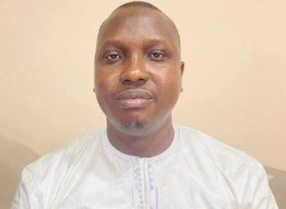
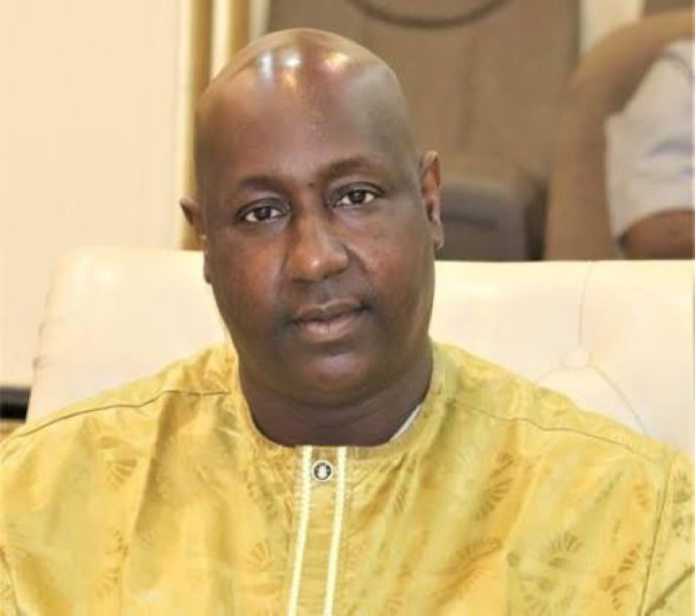
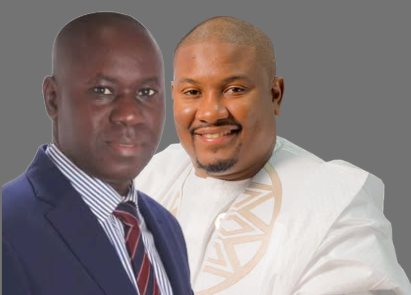
The registration grants both The United Movement for Change (UMC) and the All Inclusive Party (AIP) legal standing, allowing them to operate as officially registered political entities within the Gambia. This legal standing is a critical step, transitioning them from informal groups into recognized political actors. Reliable sources confirmed to The Standard that the two parties are the UMC, led by Talib Ahmed Bensouda, and the Alliance for Inclusive Progress (AIP), led by Yiramang. This formal recognition enables them to participate fully in the nation's political processes, including contesting elections and conducting public campaigns. Their newfound status allows them to engage with the electorate under the official framework of the country's electoral laws.
Election Context
The development is significant as political actors intensify mobilisation ahead of the December presidential election in the Gambia. The registration marks a transition for these newly recognized groups, moving them from informal political activity into a more structured phase of operation. This formalization allows The United Movement for Change (UMC) and the All Inclusive Party (AIP) to establish official campaign structures, recruit members, and articulate their platforms to the electorate. Their entry into the formal political sphere is expected to contribute to the broader political discourse and potentially shift voter dynamics in the lead-up to the polls. This structured phase of operation is key for their long-term viability and effectiveness in the political arena. The process shows the growing political engagement as the election season approaches, with new voices entering the fray.
IEC Confirmation
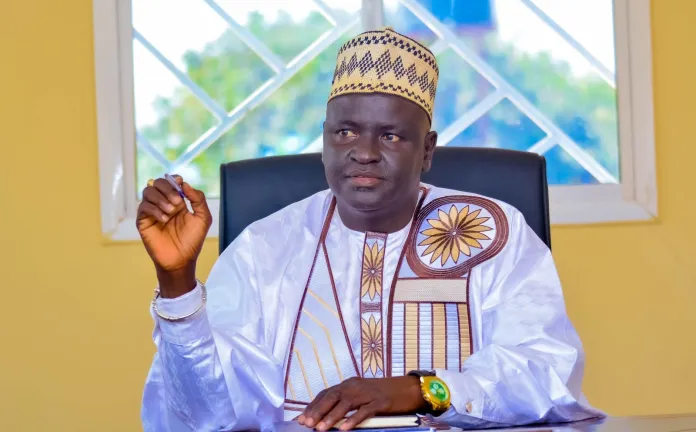
IEC Chairman Joseph Colley confirmed that the commission had officially registered two political parties. Mr. Colley stated that the newly registered entities were invited to a meeting held on Wednesday. This confirmation from the head of the Independent Electoral Commission solidifies the official status of The United Movement for Change (UMC) and the All Inclusive Party (AIP) ahead of the December polls. The meeting invitation suggests further engagement between the electoral body and the new political players as the election cycle progresses, indicating the IEC's role in integrating these parties into the electoral system. Chairman Colley’s confirmation provides definitive clarity regarding their eligibility to contest the upcoming elections.
Significance of Registration
Registration grants The United Movement for Change (UMC) and the All Inclusive Party (AIP) a clearer platform to engage their supporters. This official recognition allows both parties to solidify their internal structures and present themselves as credible alternatives to the electorate ahead of the December polls. The formal status provided by the Independent Electoral Commission (IEC) enables them to build organizational capacity and articulate their political agendas more effectively. This development is key for their ability to mobilize and campaign, potentially influencing voter decisions across the Gambia. It also facilitates a more structured approach to political participation for both UMC and AIP, allowing them to hold their internal structures together and operate with greater legitimacy. This move is expected to enhance public trust and engagement with their political platforms.