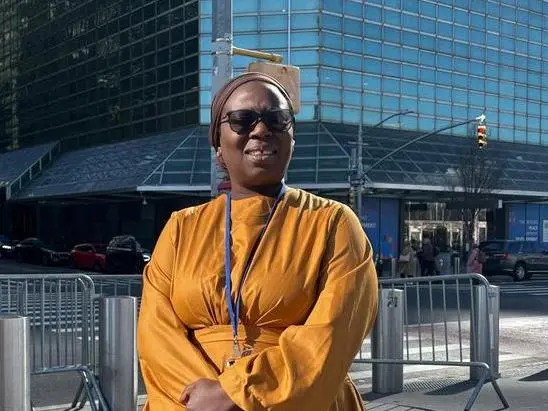
Gambian-Norwegian entrepreneur Jankeh Njie founded Jarga, a 100% Gambian-owned and operated company, which has spent the past year building the country's luxury handbag industry. Jarga is described as one of the first and only brands to design, produce, and export luxury handbags directly from The Gambia to international markets. The company has made significant strides since its launch in establishing local production capabilities and fostering a new economic sector. In just one year, Jarga has demonstrated its commitment to developing a strong luxury handbag industry within The Gambia, marking a significant milestone for local entrepreneurship and international trade.
A New Era for Gambian Luxury
For decades, luxury goods in The Gambia were primarily associated with international fashion houses such as Gucci, Dior, and Louis Vuitton, with most handbags sold within the country being imported. This long-standing trend meant that consumers seeking high-end accessories often looked to foreign brands, and there was little local production to cater to this segment. Jarga's operations mark a significant shift in this dynamic, establishing local production for high-end accessories and challenging the traditional reliance on imported luxury goods. The company's emergence signals a new era for Gambian luxury, one focused on indigenous design, craftsmanship, and economic empowerment.
The company's inaugural collection produced in The Gambia, the Lemo Bag, was designed to honor Agi Lemo Nyang-Samba. This first collection set the precedent for Jarga's commitment to intertwining its products with Gambian heritage and storytelling. Following this successful debut, Jarga introduced the Naba Bag, which pays tribute to Jainaba Nyang Njie, further solidifying the brand's dedication to celebrating prominent Gambian figures and their legacies. Looking ahead to 2025, the Bajen Bag is scheduled for launch, celebrating the life and legacy of Ndey Badjie. Each of these collections connects to Gambian heritage through its naming and inspiration, ensuring that every product tells a unique story rooted in the country's rich culture. The deliberate choice to name collections after influential Gambian women shows the brand's mission to highlight local narratives and empower women within the community.
Beyond the handbags themselves, every Jarga purchase is accompanied by a custom scarf, a signature scent, and a thank-you card. These complementary items enhance the luxury experience and provide additional opportunities to showcase Gambian artistry and hospitality. The card is presented in Wolof, with an English translation provided, further embedding local culture into the customer experience and offering a tangible connection to The Gambia for international buyers. This thoughtful inclusion not only celebrates the local language but also educates customers about a piece of Gambian identity.
Local Roots, Global Reach
Since launching its Bajen Bag, Jarga has expanded both its production capacity and its market reach, demonstrating a rapid ascent in the global luxury market. The company's handbags are currently sold in the United States, United Kingdom, Norway, Sweden, France, and Australia, among other international markets. This broad international presence notes Jarga's ability to compete on a global scale and meet the demands of diverse luxury consumers. Jarga received key support for its operational growth from the MSDG diaspora initiative, which was implemented by GK Partners. This assistance was instrumental in facilitating the acquisition of necessary machinery, supporting production expansion efforts, and providing essential training for staff members. The strategic support from the MSDG diaspora initiative enabled Jarga to scale its operations efficiently and effectively, laying a strong foundation for future growth.
The brand's growing international recognition is also evident through its visibility among prominent figures. Prominent Gambians, including Fatou Bensouda, a distinguished legal professional, and Dr. Habibatou Drammeh, a respected academic, have been observed carrying Jarga bags at international meetings. Their choice to showcase Jarga products on such significant platforms speaks volumes about the brand's quality and its burgeoning reputation. This visibility not only elevates Jarga's profile but also serves as a powerful endorsement of Gambian craftsmanship on a global stage. The company's strategy involves connecting its operations in The Gambia with an expanding international customer base, creating a virtuous cycle where local production fuels global demand, and international success brings opportunities back to the local community.
Navigating Challenges and Vision
Jarga's Bajen Bag Collection features handcrafted handbags made from premium, ethically sourced leather, reflecting the brand's commitment to quality and responsible practices. Despite its rapid growth and success, the company is currently navigating a range of challenges that are common for emerging luxury brands operating from developing economies. These challenges include workforce development, ensuring a consistent supply chain, and adapting to changing international trade policies. Recent increases in import-related costs have also affected shipments to the United States, adding another layer of complexity to its logistics and pricing strategies.
Jankeh Njie, Jarga's founder, remains undeterred by these obstacles, viewing them as opportunities for growth and impact. She stated that "the challenge of finding skilled workers is real. But I actually appreciate that challenge because it shows us where we can create impact. Every person we train helps strengthen the industry." This perspective shows her dedication not just to her company, but to the broader economic development of The Gambia. Njie's vision for Jarga's second year involves building a larger production facility to facilitate training and employment for more Gambians. This expansion is designed to address the workforce development challenge head-on, creating a pipeline of skilled artisans and contributing significantly to local employment.
"When I decided to relocate production to The Gambia, it was because I believed in the talent that exists here and in the possibility of building something meaningful locally," Njie explained, articulating the foundational philosophy behind Jarga. She added, "The goal was never simply to make handbags but to build an industry, create opportunities, and show that luxury products can be produced in The Gambia to international standards." This ambitious vision extends beyond commerce, aiming to redefine perceptions of Gambian manufacturing capabilities and establish a sustainable luxury sector.
Jankeh Njie further emphasized the cultural significance embedded in the brand's products. "We are translating culture through design. Every bag carries a story. When someone asks about the meaning of Bajen, I can explain an important part of Gambian culture. Through our products, we are sharing pieces of who we are with the world." This approach transforms each handbag into a cultural ambassador, offering a unique narrative to its wearer. She noted the impact of local support, noting, "When women such as Fatou Bensouda and Dr. Habibatou Drammeh proudly carries JARGA bags to international meetings, it sends a powerful message. It shows confidence in Gambian craftsmanship and demonstrates that products made here can stand proudly on any stage in the world." Such endorsements are invaluable in building trust and credibility for a brand rooted in a developing nation.
Njie also stressed the importance of understanding the local context for business operations. "Success in any country requires understanding the environment and the people. Before launching, I spent a long time observing, learning, and listening. The most important thing has been surrounding myself with people who gave honest advice and understanding that there are no shortcuts." This careful approach to market entry and business development has been a cornerstone of Jarga's success. Looking ahead, Njie affirmed, "I want Jarga to grow sustainably. Our goal is to build a stronger industry around handbag production in The Gambia, create more jobs, train more people, and eventually reduce our dependence on imported materials. We are working hard to build a foundation that will last." This long-term vision positions Jarga not just as a luxury brand, but as a catalyst for industrial growth and economic self-sufficiency in The Gambia.