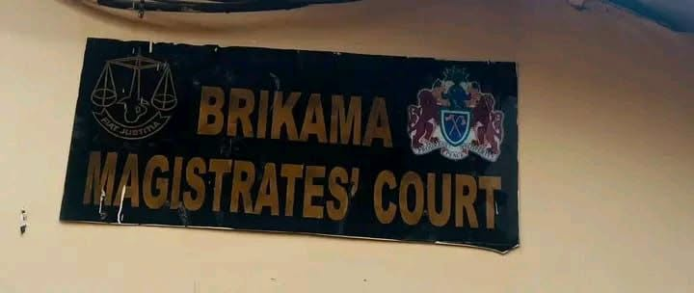
The Kanifing Revising Court concluded its voter objection hearings in The Gambia, with Senior Magistrate Isatou Jallow-Sowe presiding over the proceedings. Sixty-five individual voter objection cases were brought before the court for review during the session.
Magistrate Isatou Jallow-Sowe dismissed the vast majority of these challenges, noting that "suspicion is not proof" while delivering her final rulings. Following the legal evaluation of the evidence presented in each instance, only one application to remove a name from the voter register was successful. The remaining sixty-four cases failed to meet the necessary evidentiary threshold, resulting in the retention of those names on the electoral list. The court’s decision marks the end of this current cycle of voter roll verification in the district.
Court Proceedings and Evidence Standards
Magistrate Isatou Jallow-Sowe dismissed 45 cases during the proceedings after determining that the petitioners failed to provide sufficient documentation to support their claims. These specific challenges, brought before the Kanifing Revising Court, required a standard of proof that the complainants could not satisfy through the presented materials. As a result, the court found no legal basis to alter the voter register for these individuals in The Gambia. The magistrate’s rulings in these 45 matters relied on the absence of verifiable evidence linking the objections to valid disqualification criteria under current electoral laws. By failing to substantiate their allegations, the parties involved in these 45 cases saw their objections rejected by the court.
Timeline and Legal Framework
Revising courts in The Gambia commenced their operations on 24 August 2026. These judicial proceedings were scheduled to conclude on 24 October 2026.
Legal requirements governing these sessions are outlined in the Elections Act 2025. This legislation mandates that magistrates must resolve all appeals and objections within a period of 60 days from the date of their official lodgement. The Kanifing Revising Court adhered to this timeframe while processing the challenges brought before Senior Magistrate Isatou Jallow-Sowe.
Parties dissatisfied with the outcomes of these hearings maintain the right to seek further legal recourse. Section 32 of the Elections Act 2025 provides a mechanism for individuals to appeal any decision made by a Revising Court. Such appeals must be filed with the High Court within two days of the magistrate’s ruling. This provision ensures a secondary layer of judicial review for matters concerning the accuracy of the electoral register.