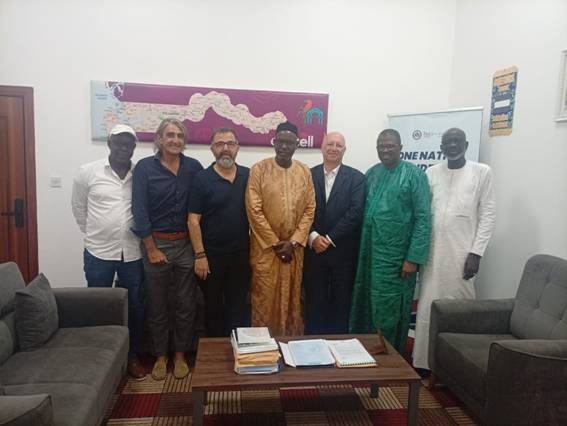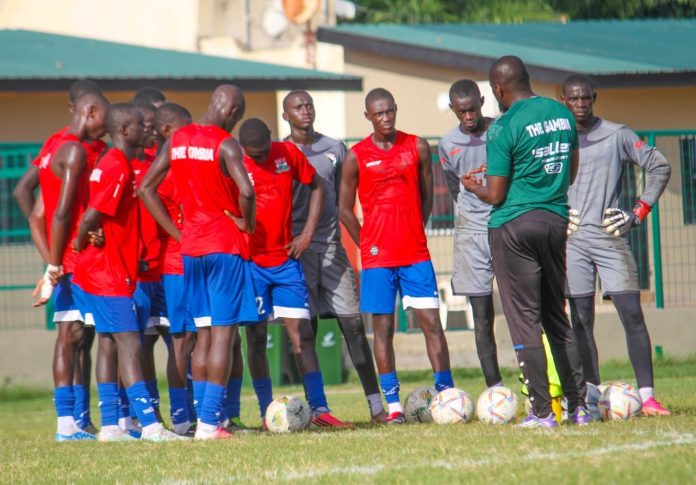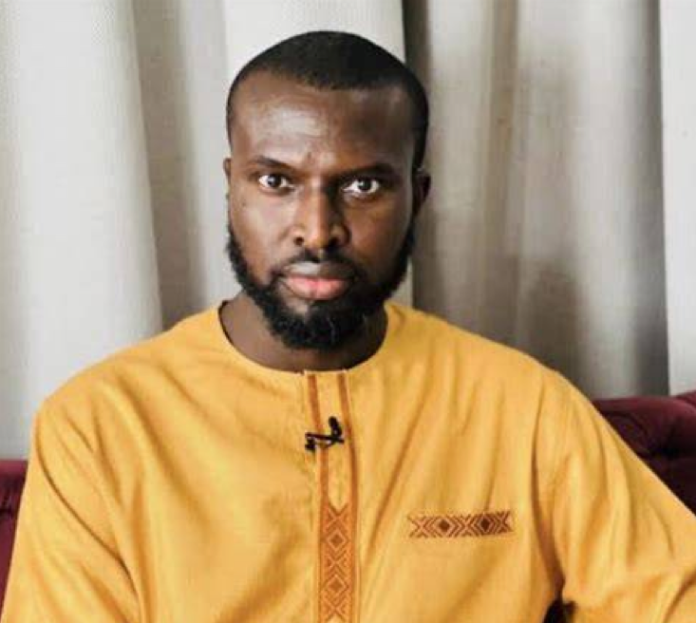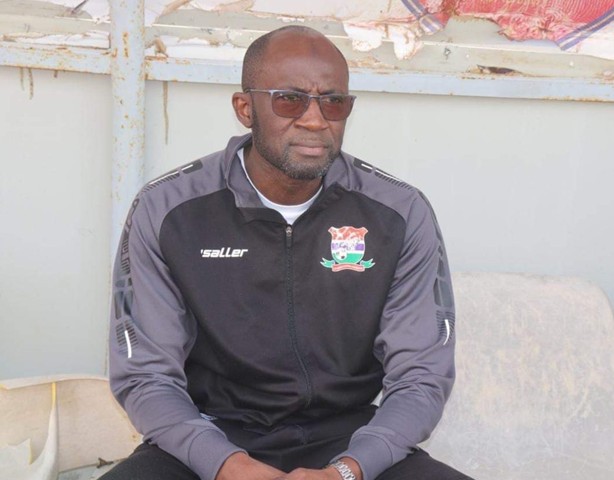
Lamin Kaba Bajo, the former president of the Gambia Football Federation, recently honored his longtime friend and first vice president, Bakary K. Jammeh, reflecting on their shared history and professional collaboration. Bajo paid tribute to Jammeh, also known as Baks, recalling their initial meeting in 1978 at the then Gambia Muslim High School, where they were classmates in Form 1G. "This relationship went beyond the five years we spent in the school," Bajo stated, emphasizing the enduring nature of their bond.
Bajo acknowledged Jammeh's significant contributions to the federation, including the introduction of a term limit, a key reform aimed at ensuring good governance and leadership rotation within the organization. This initiative, spearheaded by both officials, marked a key step in modernizing the federation's operational framework. Bajo attributed the organization's current structure and staff efficiency to Jammeh’s dedication and careful approach. "Your personal hard work is reflected in the current structure of the federation and the efficiency and competence of the staff whose recruitment and minoring you greatly contributed to," Bajo said. He further emphasized the "remarkable results we achieved together," despite any disagreements, always prioritizing the best interests of the game and its stakeholders. The partnership between Bajo and Jammeh was characterized by a shared vision for the advancement of Gambian football, leading to significant progress during their tenure.
A Friendship Forged in School
Lamin Kaba Bajo and Bakary Jammeh first met in the summer of 1978 at the then Gambia Muslim High School. They were both new students who had passed the common entrance examination, according to Bajo. Their paths converged at a formative age, setting the foundation for a lifelong friendship and professional alliance. "Alhaji Bakary Kebba Mama Tamba Jammeh (aka Baks) was a young skinny tall and smart young boy I met at the then Gambia Muslim High School (now Muslim Senior Secondary School) in the summer of 1978 when we both passed the common entrance examination and reported for enlistment," Bajo stated, vividly recalling their first encounter. He added that they were placed in the same class, Form 1G, and grew closer throughout their five years at the school. "As faith would have it, we converged in the same class, Form 1G, and throughout the five years journey at the school, we became closer to each other by the day. This relationship went beyond the five years we spent in the school," Bajo said, noting the deep personal connection that developed between them.
After their schooling, Bakary Jammeh pursued a career in accounting, a field where his careful nature and financial acumen would prove invaluable. He eventually worked at MRC as the head of finance and administration, gaining substantial experience in managing complex financial operations. Lamin Kaba Bajo, on the other hand, embarked on a different path, joining the Gambia National Gendarmerie, where he served for ten years and attained the distinguished rank of captain. His military background instilled in him discipline and leadership qualities that would later benefit his work in sports administration. Jammeh later joined the Social Security and Housing Finance Corporation (SSHFC), a key public institution, where he continued to apply his financial expertise. During this period, he furthered his education by pursuing an MBA in the UK, enhancing his strategic management capabilities. He subsequently resigned voluntarily from SSHFC to partner with his brother-in-law in establishing ELTON Oil Marketing Company, demonstrating his entrepreneurial spirit and commitment to private sector development. Bajo concluded his tribute by offering an apology to Jammeh, acknowledging the difficulties he faced during their time together in football administration. "Finally bro, my deepest apologies for all the pain, negative publicity and insults you endured over the period," Bajo said, reflecting on the challenges that often accompany public service. He added, "You were indeed a friend. Yes, we had our differences and disagreements over issues but at the end of day we agree in the best interest of the game, players, stakeholders, investors and the fans. Hence, the remarkable results we achieved together." This candid admission showed the complexities of their working relationship, while reaffirming their shared commitment to the sport.
Jammeh's Dedicated Football Contributions
Bakary K. Jammeh's involvement in football administration extends back to his tenure as Secretary General for Real de Banjul, one of The Gambia's prominent football clubs. In this role, he gained practical experience in club management and operations, laying the groundwork for his later contributions at the national level. His dedication to the sport was further demonstrated through his voluntary efforts to assist the Gambia Football Federation. Jammeh provided his expertise to prepare official documents for the federation without compensation, a testament to his selfless commitment to the sport's development. This voluntary work was key in streamlining the federation's administrative processes and ensuring compliance with established standards.
His commitment also included offering his personal landed property as collateral, which enabled the federation to secure necessary loans from the bank, according to sources familiar with the federation's operations. This extraordinary act reportedly facilitated the organization's financial stability and project implementation, allowing for investments in critical areas such as infrastructure and youth development. Jammeh’s willingness to personally guarantee the federation's financial obligations noted his profound belief in its mission and future.
Beyond administrative and financial support, Jammeh actively engaged in the development of football leadership. The current head of the new executive body within the federation was a direct beneficiary of Jammeh's mentorship and guidance. This suggests a continued legacy of his influence on the sport's governance in The Gambia, extending beyond his direct roles. Jammeh's contributions are noted as foundational in various aspects of the federation's growth and structure, from its documentation processes to its financial dealings and leadership development. His impact was broad, helping to cultivate a new generation of leaders and establish strong operational frameworks.
Reflecting on Shared Successes
Both Lamin Kaba Bajo and Bakary K. Jammeh concluded their terms of office last weekend, departing after 12 years of dedicated service in their respective roles as football officials. Their departure marked the end of an era characterized by significant advancements in Gambian football. During their tenure, the article notes "unprecedented developments we brought to the game in the country," noting the substantial progress made under their leadership across various facets of the sport, from grassroots initiatives to national team performance. Bajo recounted accepting the offer to lead the Team Momodou Musa in 2014, stating that Jammeh's presence alongside him provided a key source of courage at that challenging time. This mutual support was a cornerstone of their successful partnership, enabling them to navigate the complexities of football administration.
President Kemo has consistently demonstrated high regard and respect for Jammeh, according to Bajo. "President Kemo has always had high regard and respect for you and I am confident that he will employ the little he learned from you. After all he has ever been your brother," Lamin Kaba Bajo said, referring to the continuity of leadership and mentorship within the football federation. This statement shows the lasting impact of Jammeh's guidance on the current leadership, ensuring that his vision and principles continue to influence the direction of Gambian football. The transition of leadership, while marking the end of Bajo and Jammeh's direct involvement, also signals a continuation of the progress they initiated, built upon a foundation of shared commitment and mutual respect.