The Public Enterprises Committee (PEC) of the National Assembly has requested documentary evidence for the expenditure of a US$146,000 Hajj imprest, which was equivalent to approximately eight million dalasi at the time. This demand, made in the PEC's report on the scrutiny of 2022 accounts, financial statements, and management letters of State-Owned Enterprises (SOEs), addresses findings related to the Gambia International Airlines (GIA) audited financial statements. Auditors previously identified weaknesses in the management and retirement of these Hajj imprest funds. The imprest was issued to support The Gambia's 2022 Hajj operations. The committee's call for accountability shows a broader concern regarding financial oversight within public enterprises.
The PEC's report noted several critical issues unearthed during its review of the GIA's financial statements for the 2022 fiscal year. The US$146,000 Hajj imprest was specifically allocated to facilitate and support the logistical and operational aspects of The Gambia's participation in the annual Hajj pilgrimage. This significant sum, intended to cover various expenses incurred during the sacred journey, has now become the subject of intense parliamentary scrutiny due to a lack of proper documentation and adherence to established financial protocols. The committee's investigation into the GIA's financial practices revealed a concerning pattern of insufficient oversight, which prompted the urgent demand for detailed expenditure records.
Audit Findings on Fund Management
Auditors identified significant shortcomings in the procedures governing the request, approval, and retirement of the Hajj imprest funds. According to the audit findings, neither the Staff Service Rules nor the Accounting Policy and Procedures Manual detailed administrative procedures for requesting, approving, or accounting for such imprests. This absence of clear guidelines created an environment susceptible to mismanagement and a lack of transparency. The auditors also reported that no maximum ceiling had been established for Hajj imprests, allowing for potentially unchecked allocations without a predefined upper limit. This critical omission was flagged as a major vulnerability in the financial control system.
Further observations indicated that requests for these imprests were not supported by detailed expenditure estimates. This meant that funds were being disbursed without a clear, itemized breakdown of how they were to be spent, making it difficult to track and verify their legitimate use. Substantial payments for accommodation and catering services, key components of Hajj operations, were made through the imprest to established institutions, rather than utilizing direct bank transfers. The auditors noted that making such large payments via imprest, instead of through more traceable direct bank transfers, reduced transparency and complicated the audit trail. This practice raised questions about the efficiency and accountability of the payment mechanisms employed.
Among the specific expenditures noted, a payment of $4,021 was reportedly made to Gambian cooks during the pilgrimage. However, the audit found that no receipts or other documentary evidence were provided to support this $4,021 expenditure. The absence of such basic financial records made it impossible for auditors to confirm the legitimacy and proper allocation of these funds. This particular instance served as a prime example of the broader systemic weaknesses identified in the management of the Hajj imprest. The lack of supporting documentation for even relatively smaller, yet significant, payments showed the lax financial controls in place.
Regulatory Framework and Specific Cases
Section 0807(e) of the Staff Service Rules specifies that officials performing Hajj duties are eligible for special imprest to cover official expenses. This rule mandates that such imprests must be retired within one month of the official's return from the pilgrimage. This regulatory provision is designed to ensure timely accountability for public funds advanced for official duties. The audit's findings indicate a significant deviation from this established rule, contributing to the overall lack of financial discipline observed. The requirement for prompt retirement is a cornerstone of responsible financial management, and its apparent disregard was a key concern for the auditors.
The audit identified two specific instances during the 2022 pilgrimage where imprests were issued, amounting to $50,000 and $29,000 respectively. These cases fall under the regulatory framework requiring diligent retirement. The issuance of these substantial sums necessitates rigorous adherence to the stipulated retirement procedures to ensure transparency and prevent misuse. The fact that these specific imprests became subjects of audit findings indicates that the retirement process for these amounts did not meet the required standards of accountability. The auditors' focus on these two significant amounts shows the scale of the potential accountability gap.
Among the documents submitted for the retirement of the US$29,000 imprest, a letter from the Consulate General of The Gambia in Jeddah was included. This letter confirmed that the Consulate had received $5,000, designated for operational expenses during Hajj 2022. While the letter confirmed receipt of the funds by an official entity, it did not provide the necessary detailed breakdown of how those funds were subsequently used.
However, auditors subsequently determined that no additional supporting retirement documents were provided to detail how the Consulate General of The Gambia in Jeddah utilized the $5,000 entrusted to it. This lack of documentation raised further questions regarding accountability for the funds. Without itemized receipts, invoices, or a full expenditure report from the Consulate, the auditors were unable to verify the appropriate use of the $5,000. This specific finding noted a gap in the accountability chain, as funds passed from one entity to another without adequate follow-up documentation. The absence of these key records meant that a significant portion of the $29,000 imprest remained unaccounted for in terms of its final expenditure.
Committee Recommendations and Directives
The Public Enterprises Committee (PEC) recommended that the Accounting Policy and Procedures Manual be amended to include full procedures for Hajj imprests, establishing a maximum imprest ceiling. This recommendation aims to rectify the fundamental procedural weaknesses identified by the auditors, ensuring that future Hajj imprest disbursements are governed by clear, predefined rules and limits. The establishment of a maximum ceiling is intended to prevent excessive or arbitrary allocations of funds, promoting fiscal prudence.
The committee further directed that all individuals who receive Hajj imprest funds must provide detailed documentary evidence of their expenditures. This directive is a direct response to the widespread lack of receipts and supporting documents found during the audit. By mandating full documentation, the PEC seeks to enforce a higher standard of financial accountability from all officials involved in Hajj operations. This measure is key for ensuring that every dalasi and dollar disbursed can be properly traced and justified.
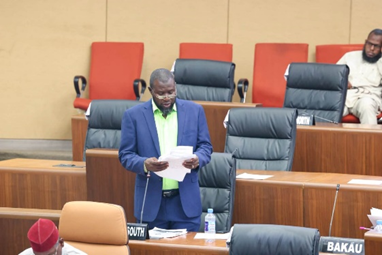
The PEC instructed that the required documentation for the impugned funds be submitted and reported back to Parliament by July 31, 2026. This firm deadline shows the committee's determination to see full accountability for the US$146,000 Hajj imprest. The requirement to report back to Parliament ensures that the National Assembly will maintain oversight of the process and verify that the directives are complied with. Public Enterprises Committee Chairperson Hon. Lamin J. Sanneh tabled the report before the National Assembly, and lawmakers subsequently adopted it. The adoption of the report by the entire legislative body signifies a collective commitment to addressing the financial irregularities and strengthening oversight mechanisms within State-Owned Enterprises, particularly concerning the management of public funds related to critical national endeavors like the Hajj pilgrimage. The move reflects a broader parliamentary effort to enhance transparency and good governance across all public sectors.