Here is the expanded draft:
The National Assembly failed to convene its plenary session yesterday, June 15, 2026, due to a lack of the required number of members for legislative business to proceed. The session was adjourned after lawmakers present were insufficient to meet the quorum threshold, a fundamental requirement for the assembly to conduct its official duties. This article was published on June 16, 2026, detailing the events of the previous day's aborted session.
Missed Legislative Agenda
The National Assembly members (NAMs) were scheduled to address several key pieces of legislation during the aborted session. Among the items on the agenda were the first reading of the Labour (Amendment) Bill 2026 and the Criminal Procedure (Amendment) Bill. These bills represent significant proposed changes to existing laws, impacting areas of employment and the justice system. Additionally, lawmakers were slated for the second reading of The Gambia Immigration Bill 2026, a key piece of legislation that could redefine national immigration policies and procedures. The consideration of the Intellectual Property Bill, 2025, also formed part of the day's legislative calendar, aiming to update and strengthen protections for creators and innovators.
The adjournment meant that progress on these bills was delayed, requiring them to be rescheduled for a future sitting. The legislative process for these proposed laws, which cover areas from labor rights to criminal justice and intellectual property, was therefore postponed due to the insufficient attendance. These legislative items are vital for national development and governance, and their delay shows the impact of procedural setbacks on the country's legal framework. The inability of the NAMs to sit over these important readings and considerations directly affects the pace of legal reform.
Proceedings and Adjournment
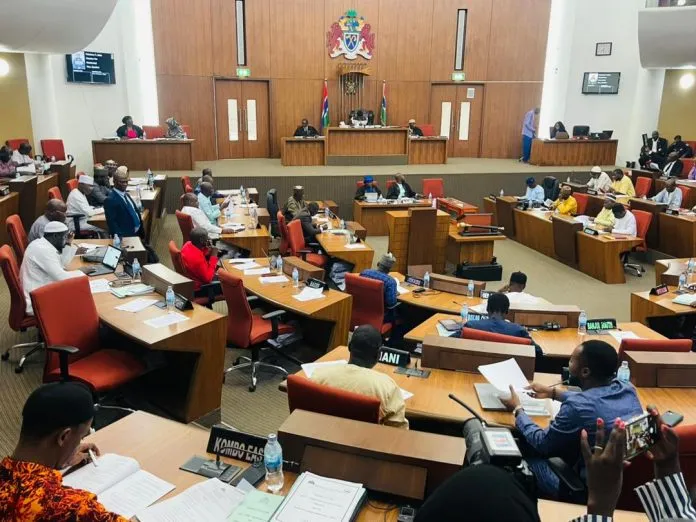
Only a few members were reportedly present in the chambers when the session was called to order. The low attendance prevented the National Assembly from commencing legislative business, as the session lacked the required number of members for business to proceed. The absence of a sufficient number of representatives meant that any proceedings would have been deemed invalid. Deputy Speaker Seedy Njie subsequently adjourned the session, citing the lack of quorum. This decision was made in accordance with established parliamentary rules, which mandate a specific minimum number of members to be present for proceedings to be considered valid and for any legislative action to take place. The adjournment means that the scheduled legislative agenda, including various bill readings and considerations, will need to be rescheduled for a future sitting, causing a ripple effect on the legislative timeline.
Context of Assembly Operations
The recent adjournment notes ongoing challenges in parliamentary attendance and the operational requirements of the National Assembly in The Gambia. Ensuring a quorum is a foundational aspect of legislative functionality, as it validates the proceedings and decisions made by elected representatives. The absence of a sufficient number of members, as observed yesterday, directly impacts the legislative calendar and the progress of critical bills. This procedural requirement is designed to ensure that decisions reflect a broad consensus of the assembly, preventing a small minority from passing legislation without adequate representation and upholding the democratic principles of the legislative body.
Further disruptions to the legislative process can lead to delays in addressing pressing national issues, affecting various sectors from labor to immigration and intellectual property. The responsibilities of members extend beyond mere presence during sessions, encompassing committee work, oversight functions, and diligent constituent engagement. While the specific reasons for the low turnout were not immediately detailed, such occurrences show the importance of consistent participation from all elected officials to maintain the efficiency and credibility of the legislative body. The Deputy Speaker, Seedy Njie, has previously emphasized the need for diligent attendance to uphold the integrity of parliamentary duties and ensure that the National Assembly effectively serves the Gambian people.