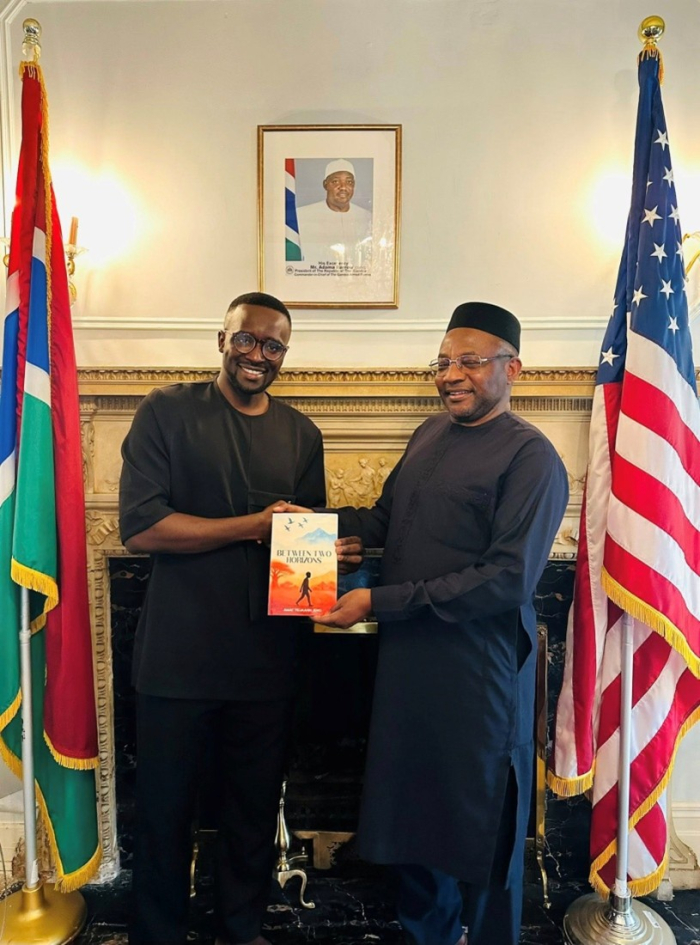
Amadou Jaiteh, leader of the PROGRESS Gambia political movement, criticized the Gambian government on June 18, 2026, over persistent power outages affecting households and businesses across the country. Jaiteh asserted that despite significant investments, reliable electricity promised to Gambians has not materialized. He stated, "The money came, but the reliable electricity Gambians were promised did not." Jaiteh emphasized the severe impact of the outages on daily life, dismissing government characterizations of public complaints. "The suffering of citizens is not ‘noise," Jaiteh said, adding, "A welder who cannot work is not making noise. A family sleeping in heat is not making noise. A student studying in darkness is not making noise." These prolonged power outages continue to disrupt daily routines and economic activities, prompting widespread frustration among the populace.
Energy Sector Investments Detailed
Millions of dollars have been invested in The Gambia's energy sector since 2017 to improve electricity supply. These substantial financial commitments were aimed at overhauling the nation's aging power infrastructure and expanding access to a consistent power supply. Among these initiatives, The Gambia Electricity Restoration and Modernisation Project secured US$165 million, representing a major push to upgrade the country's electrical grid. Another significant investment came through the Ecowas Regional Electricity Access Project, which allocated US$66 million to the sector, specifically targeting regional integration and improved access. Additionally, the Electricity Access Project, funded by the African Development Bank, contributed US$17.5 million, focusing on increasing the number of households and businesses connected to the grid.
These financial injections aimed to bolster the nation's power infrastructure and enhance access to reliable electricity for its citizens. The various projects were intended to modernize the grid, increase generation capacity, and expand coverage, with the ultimate goal of ending the chronic power shortages. Despite these substantial investments, the persistent power outages continue to be a concern, prompting criticism from political leaders regarding the effectiveness of the deployed funds. The full impact of these projects has yet to be realized in terms of consistent electricity provision, leading to questions about the management and implementation of these key initiatives. The discrepancy between the significant financial outlay and the continued unreliability of the power supply remains a central point of contention.
Impact on Businesses and Households
Amadou Jaiteh, leader of PROGRESS Gambia, accused the government of failing to deliver reliable electricity to the country's citizens and businesses. Jaiteh noted that widespread power shortages directly impact various small businesses, which form the backbone of the local economy. These include welders, tailors, barbers, and cold-store operators, all of whom rely on consistent power for their livelihoods and to serve their communities. The frequent and often unpredictable outages disrupt daily operations for these entrepreneurs, leading to significant economic losses, reduced productivity, and hindering their ability to provide essential services and products. For instance, cold-store operators face the risk of spoilage of perishable goods, while welders and tailors lose working hours, directly impacting their income.
The lack of reliable electricity also profoundly affects households, impacting daily life and comfort for residents across The Gambia. Families are often left in darkness, struggling with basic tasks, and students find it difficult to study, as Jaiteh previously noted. The absence of consistent power exacerbates living conditions, particularly during hot periods, and undermines the quality of life for many Gambians who were promised an end to these disruptions. The ongoing power instability therefore poses both an economic burden and a significant social challenge for the nation.
Government's Response and Criticisms
The Gambia’s electricity sector continues to rely significantly on imported electricity, fuel imports, and emergency power arrangements to meet its energy demands. This heavy dependency on external sources and temporary solutions notes underlying vulnerabilities in the nation's energy infrastructure despite recent investments aimed at self-sufficiency. PROGRESS Gambia leader Amadou Jaiteh rejected the president’s assertion that persistent power outages are merely "technical issues" that are "beyond our control." This statement from the president sought to downplay the severity and controllability of the energy crisis.
The president had previously stated that electricity provision had been stable for the past two years, until the onset of the current crisis. Jaiteh's remarks indicate a direct challenge to the government's narrative regarding the causes and controllability of the ongoing power instability, arguing that the issues are systemic rather than simply technical. He suggests that the government has failed to adequately address the root causes of the problem, despite the substantial financial resources allocated to the sector. The continued reliance on stop-gap measures, rather than strong, sustainable solutions, remains a key point of criticism from the opposition movement.