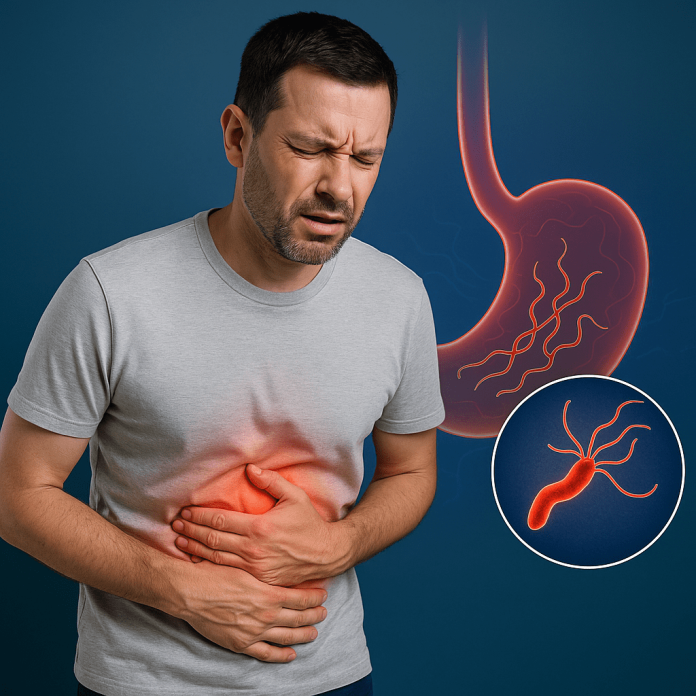
Digestive ailments in West Africa are often complicated by underlying bacterial infections, with Helicobacter pylori (H pylori) identified as a significant factor. H pylori is a highly resilient, spiral-shaped bacterium that specifically infects the stomach lining, according to medical understanding. This tenacious microorganism is uniquely adapted to survive the incredibly harsh, acidic environment of the human stomach. It achieves this remarkable feat by secreting an enzyme called urease, which effectively neutralizes the acid immediately surrounding the bacteria, creating a protective microenvironment for itself. This infection damages the stomach's protective mucous coating, which then allows stomach acid to reach sensitive underlying tissue, leading to inflammation and potential ulcer formation. The presence of H pylori can severely impact the success of surgical interventions for other digestive issues. For instance, if a surgeon repairs a hernia—a structural defect or weakness or tear in the muscle wall that allows an internal organ to push through—but the patient remains infected with H pylori, the surgery is often doomed to yield unsatisfactory results or recurrence. The persistent inflammatory state and digestive distress caused by the bacteria undermine the body's healing processes and can re-exert pressure on the surgical site.
The Pernicious Cycle of Imported Medicine
Nations such as The Gambia, Guinea-Bissau, and Sierra Leone import more than 70% of their essential medicines. The market in these regions frequently receives symptom-suppressants, including synthetic Proton Pump Inhibitors (PPIs) and harsh antacids, rather than targeted antibiotics for H. Pylori infections or structural surgical solutions, according to medical reports. This influx of symptom-masking drugs often delays proper diagnosis and treatment of the underlying cause. The long-term, unnatural suppression of stomach acid, often achieved through PPIs and antacids, disrupts the body's ability to absorb key nutrients such as calcium, magnesium, and Vitamin B12. Professor Dr Sufi Atif Amin Al Hussaini stated, "Long-term, unnatural suppression of stomach acid prevents the body from absorbing vital nutrients (calcium, magnesium, Vitamin B12). This 'addiction' to antacids leads directly to osteoporosis, severe kidney disease, and increased vulnerability to other deadly intestinal infections." The consequences of this approach extend far beyond mere discomfort, impacting bone density, renal function, and overall immune response.
This condition, known as hypochlorhydria, or low stomach acid, creates an environment where the body's natural defenses are compromised. With reduced acidity, the stomach is less effective at killing ingested pathogens, which then allows opportunistic pathogens to survive within the digestive system, which increases the risk of severe intestinal infections like Clostridium difficile. This creates a vicious cycle where the very medications intended to alleviate symptoms inadvertently pave the way for more serious health problems. In stark contrast to these pharmaceutical interventions, certain natural remedies are noted for their digestive health benefits, offering a more holistic and sustainable approach. Nigella Sativa, commonly known as black seed oil, possesses powerful antibacterial and anti-inflammatory properties that are believed to protect the gastric mucosa, helping to restore the stomach's natural barrier. Professor Dr Sufi Atif Amin Al Hussaini also noted the efficacy of raw cabbage juice. "Rich in Vitamin U (S-methylmethionine) and glutamine, raw cabbage juice is one of nature’s most effective healers for stomach ulcers and inflamed linings," Professor Al Hussaini explained. This natural approach presents an alternative to the reliance on imported, symptom-suppressing medications, which can lead to further health complications and a dependency on external pharmaceutical markets.
Root Causes and Natural Solutions
The bacterium Helicobacter pylori (H pylori) survives the stomach's acidic environment by secreting an enzyme called urease, which neutralizes the acid immediately surrounding the bacteria. This ingenious survival mechanism allows it to persist and colonize the stomach lining, leading to chronic inflammation and various digestive symptoms. Common indicators of H pylori infection include a persistent dull or burning pain in the abdomen, which is often more pronounced when the stomach is empty, as stomach acid directly irritates the damaged lining. Affected individuals may also experience frequent, excessive burping and severe bloating, due to gas production by the bacteria and impaired digestion. Other symptoms can include nausea, a significant loss of appetite, and sudden, unintentional weight loss, all contributing to a decline in overall health. In more severe cases, the infection can lead to bleeding ulcers, indicated by alarming signs such as dark, tarry stools or vomit that resembles coffee grounds, which demand immediate medical attention.
While H pylori itself does not cause physical tears in the stomach lining, the intense digestive distress it generates can exacerbate existing conditions or even trigger new ones. Chronic vomiting, severe gas expansion, and forceful coughing, all potential symptoms of H pylori infection, can dramatically increase intra-abdominal pressure. This sustained or sudden increase in pressure can either trigger a hernia in susceptible individuals or significantly aggravate an existing one, pushing internal organs through weakened muscle walls. Therefore, addressing the H pylori infection is not merely about alleviating stomach discomfort but is key for preventing and managing related structural issues like hernias.
Beyond pharmaceutical interventions, several natural remedies have been noted for their potential benefits in managing H pylori infection and its symptoms, offering complementary or alternative pathways to healing. Mastic gum, also known as mastika, sourced from the mastic tree, is a natural resin that has been clinically shown to inhibit and kill H pylori bacteria. Professor Dr Sufi Atif Amin Al Hussaini stated that mastic gum is "a natural resin that has been clinically shown to inhibit and kill H. Pylori bacteria while soothing the stomach lining." This dual action of directly targeting the bacteria and simultaneously calming the irritated gastric mucosa makes it a notable and promising option for patients seeking natural relief.
Raw manuka honey or local pure honey also demonstrates potent antibacterial properties. The unique compounds present in these natural honeys, particularly the high methylglyoxal content in Manuka honey, help suppress the overgrowth of H pylori within the digestive system, contributing to a more balanced and healthier gut environment. Additionally, incorporating probiotic-rich foods into the diet can be profoundly beneficial. Foods such as natural kefir or unsweetened yogurts introduce beneficial bacteria that can outcompete H pylori for resources and space in the gut, thereby helping to reduce the pathogenic bacterial load and restore microbial balance. This strategy not only targets the infection but also strengthens the gut microbiome, which is vital for overall digestive health and nutrient absorption. These natural approaches offer alternative or complementary strategies for addressing the root causes and symptoms of digestive ailments linked to H pylori, empowering individuals to take a more active role in their healing process.
Ethical Healthcare and Sovereignty
Dietary restructuring, which involves eliminating refined sugars, processed seed oils, and artificial preservatives, is presented as a fundamental step in promoting digestive health. These dietary components are known to feed harmful bacteria and contribute to inflammation, exacerbating digestive issues. Professor Dr Sufi Atif Amin Al Hussaini stated that this approach involves "Eliminating refined sugars, processed seed oils, and artificial preservatives which feed harmful bacteria while practicing mindful, slow eating to prevent the swallowing of air that exacerbates hernia pressure." Mindful eating practices, such as chewing food thoroughly and eating slowly, reduce air intake, thereby lessening intra-abdominal pressure and the strain on the digestive system. Alongside dietary changes, core stabilization exercises are recommended to activate the transverse abdominis muscle, which reinforces the internal abdominal wall and can significantly reduce the risk of hernias or support the healing of existing ones. This integrated approach emphasizes the body's natural capacity for healing when provided with the right conditions and support.
Regulatory measures are also deemed essential for safeguarding public health and ensuring the integrity of healthcare systems. Governments are urged to implement strict regulatory testing on all imported pharmaceuticals to ensure their efficacy, safety, and suitability for the specific health challenges faced by the population. This is particularly critical in regions heavily reliant on imported medicines, where substandard or inappropriate drugs can have devastating consequences. Additionally, state funding should be directed towards integrating validated traditional herbal medicine with modern diagnostic methods. This integration aims to create a more holistic and accessible healthcare system, leveraging indigenous knowledge and natural resources while benefiting from the precision of contemporary medical science. Such an approach can provide culturally relevant and effective treatments, reducing dependency on costly imported solutions.
Public messaging also plays a critical role in fostering a healthier society, according to proponents of this approach. Broadcasters and journalists are encouraged to shift focus away from commercial pharmaceutical advertisements, which often promote symptom-suppressing drugs without addressing root causes. Instead, they should prioritize educational campaigns that emphasize clean drinking water access, identified as the primary vector for H. Pylori infection, thereby tackling the problem at its source. These campaigns should also include full nutritional education, promoting diets that support gut health and overall well-being, and highlight the dangers associated with self-medication, which can lead to misdiagnosis, delayed treatment, and adverse health outcomes.
Finally, medical associations and non-governmental organizations are called upon to champion affordable, doorstep-accessible diagnostic tools. These include non-invasive options such as urea breath tests or stool antigen tests, which can significantly improve early detection and management of digestive ailments, particularly H. Pylori infections, within communities. By making these diagnostic tools readily available at the community level, healthcare providers can identify infections earlier, initiate targeted treatments, and prevent the progression to more severe conditions. This proactive approach not only improves individual health outcomes but also strengthens public health infrastructure, fostering a more resilient and self-sufficient healthcare landscape in West Africa.