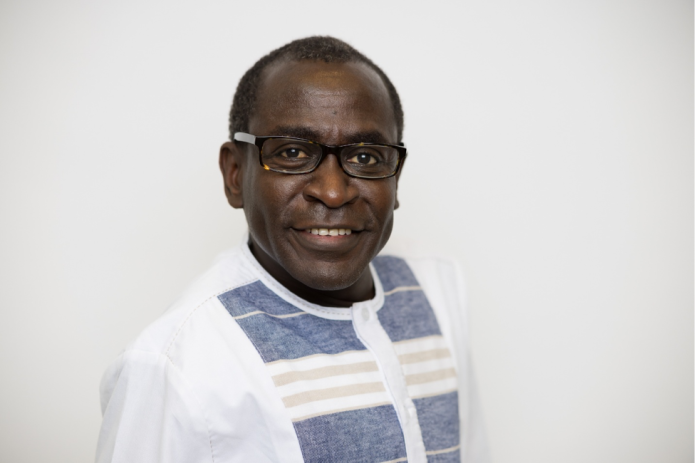
Professor Sainey Faye, an esteemed academic from Buckinghamshire New University with significant experience in UK higher education, advocates for strong domestic institutions as the foundation for lasting development in The Gambia. Having held senior roles within the UK higher education sector, Professor Faye brings a wealth of expertise to his analysis of institutional frameworks and their impact on national prosperity. Professor Faye, who previously served as Deputy Head of the School of Business and Law at Buckinghamshire New University, emphasizes that governance systems are critical in determining whether economies achieve resilience or fall into fragility. His full research focuses on ethical finance and inclusive governance, informing his advisory roles for prominent bodies such as the UK Quality Assurance Agency and the Commonwealth Scholarship Commission. These roles show his commitment to fostering high standards and effective governance practices across diverse sectors.
"I remain focused on The Gambia because lasting development is grounded in strong, credible domestic institutions," Professor Faye stated, adding, "My conviction is both personal and scholarly: governance systems determine whether economies are resilient or fragile." He notes that while formal structures exist, their implementation is often constrained by limited resources, institutional capacity, and perceptions of inconsistency. This critical assessment notes the practical challenges faced by developing nations in translating policy into tangible progress. Professor Faye calls for stronger independence, enhanced capability, and greater accountability among regulators to address these systemic challenges, asserting that these attributes are fundamental to building a strong and trustworthy institutional landscape.
The Regulatory Enforcement Divide
Professor Sainey Faye identifies the significant gap between regulation and enforcement as an urgent challenge for The Gambia. He argues that the implementation of existing regulations is often constrained by limited resources, insufficient institutional capacity, and widespread perceptions of inconsistency. This deficiency in enforcement mechanisms creates a critical vulnerability, hindering effective governance and economic progress. To address these issues, Professor Faye calls for stronger independence, enhanced capability, and greater accountability among the country's regulators. He posits that empowering regulatory bodies with the necessary autonomy and resources is essential for them to effectively carry out their mandates and foster a predictable, equitable operating environment.
Professor Faye stresses that fragmented regulatory coordination further undermines efficiency and systemic stability within The Gambia. He asserts that the nation requires more strong systems, particularly in areas such as budgeting, procurement, and the independence of audit functions. These areas are foundational to fiscal responsibility and preventing corruption, making their strengthening critical for national development. Professor Faye advocates for a fundamental shift in The Gambia's governance approach, moving from a model driven solely by rule-based compliance to one centered on values-driven governance. He states that ethical governance is key for several reasons, including enhancing efficiency, reducing systemic risk, attracting necessary investment, and strengthening public trust in institutions. This values-based paradigm, according to Professor Faye, cultivates an environment where integrity and long-term sustainability are prioritized, leading to more resilient and equitable outcomes for all citizens.
Integrating ESG and SOE Reform
Professor Sainey Faye has identified an underdeveloped integration of sustainability and Environmental, Social, and Governance (ESG) principles within The Gambia. He states that this weakness in ESG adoption diminishes the country's appeal to responsible investors and consequently limits access to sustainable finance key for inclusive growth. The lack of full ESG frameworks not only deters international capital but also impedes the development of locally sustainable practices across industries. The academic also points to specific human capital challenges, noting shortages of trained independent directors and specialists in risk management and sustainability governance. These deficiencies in expertise create a significant impediment to implementing and overseeing strong ESG strategies.
Professor Faye emphasizes that effective governance relies on expertise, independence, and diversity of thought. He advocates for targeted professional development and more transparent board appointments to address these gaps. "Effective governance depends on expertise, independence, and diversity of thought," Professor Faye stated, adding, "We need targeted professional development and more transparent board appointments." This approach aims to strengthen the foundational elements required for strong institutional performance, ensuring that decision-making bodies are equipped with the necessary skills and perspectives to guide organizations responsibly. By fostering a culture of meritocracy and transparency in board selections, The Gambia can enhance the credibility and effectiveness of its corporate and public sector entities.
Professor Faye notes significant issues within state-owned enterprises (SOEs) in The Gambia. He asserts that these entities are hampered by weak transparency, insufficient performance oversight, and undue political influence. These systemic weaknesses prevent SOEs from operating efficiently and delivering maximum value to the public. Addressing these shortcomings is not merely an economic imperative but also a governance one, as the performance of SOEs often has a direct impact on public services and national resources. Strengthening oversight mechanisms, implementing clear performance metrics, and reducing political interference are critical steps towards reforming these vital economic actors. Addressing these systemic weaknesses in SOEs is integral to improving overall economic resilience and attracting responsible investment. The lack of strong ESG integration and the challenges faced by SOEs collectively present a critical area for institutional reform in The Gambia, according to Professor Faye's full analysis, showing the interconnectedness of these factors in achieving sustainable development.
Leveraging Diaspora Expertise
Professor Sainey Faye envisions creating a pipeline of globally competent, yet locally grounded, scholars and policymakers for The Gambia. His strategy aims to cultivate a new generation of leaders equipped with international perspectives while deeply understanding national contexts. This dual focus ensures that future leaders can effectively bridge global best practices with local realities, fostering innovative and relevant solutions. Professor Faye believes this approach is vital for building institutional capacity that is both sophisticated and deeply rooted in the country's specific needs and cultural nuances.
Professor Faye suggests that the Gambian diaspora can significantly contribute to this vision through several mechanisms. These include structured knowledge transfer programs, designed to facilitate the exchange of expertise and skills from diaspora professionals to local institutions. He also proposes fostering institutional partnerships between Gambian and international bodies, which can lead to collaborative research, educational programs, and capacity-building initiatives. Encouraging diaspora members to participate on boards of directors within key Gambian institutions is another key avenue, allowing them to lend their international experience and governance insights directly. Additionally, he proposes mentorship initiatives to guide emerging local talent, providing them with invaluable guidance and networking opportunities. Finally, Professor Faye advocates for providing specialized Environmental, Social, and Governance (ESG) advisory services to help local organizations align with global best practices, thereby enhancing their attractiveness to international investors and promoting sustainable development. These full contributions are intended to strengthen local capacity and enhance institutional resilience in The Gambia, building a self-sustaining ecosystem of expertise and good governance.
Personal Journey and Leadership
Professor Sainey Faye's personal experiences have profoundly shaped his advocacy for resilient institutions. He contracted polio in infancy and lives with scoliosis, experiences he believes have instilled a deep appreciation for the importance of inclusive systems. These early life challenges fostered a unique perspective on vulnerability and the necessity of strong support structures. His journey also includes navigating racial marginalisation within UK academia, which further reinforces his commitment to equitable structures and opportunities. These encounters have solidified his resolve to champion systems that are fair, transparent, and accessible to all, regardless of background or physical ability.
These personal challenges inform his leadership philosophy. Professor Faye advises young Gambians abroad to confidently embrace their identity, invest diligently in developing their competence, and actively build professional networks. He emphasizes the importance of maintaining a long-term perspective in their careers and remaining connected to a broader purpose beyond individual achievement. For Professor Faye, leadership is fundamentally defined by the ability to transform adversity into valuable insight, foster discipline, and cultivate a steadfast commitment to building inclusive systems that benefit all. His approach shows the idea that personal resilience can translate into a powerful drive for systemic improvement, making him a compelling advocate for institutional reform in The Gambia. He firmly believes that by drawing on these core principles, individuals can not only excel in their own professional lives but also contribute meaningfully to the betterment of their communities and nation.