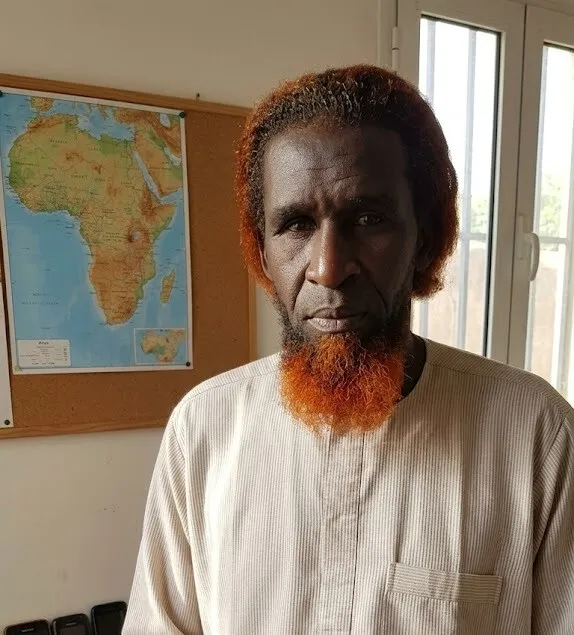
Ismaila Diallo, also known by the pseudonym “Abou Oussama Al Sénégal,” was arrested in Saint-Louis for suspected terrorism. The Saint-Louis Research Brigade apprehended Diallo as part of an ongoing investigation into suspected terrorist activities. The arrest of Ismaila Diallo in Saint-Louis marks a significant development in the efforts to counter extremist networks within the region. Authorities have not yet released full details regarding the specific charges against him, but preliminary information indicates a broad scope of alleged involvement.
Details of the Charges
Ismaila Diallo faces a serious array of charges following his apprehension. These charges include criminal conspiracy related to a terrorist organisation, conspiracy to commit terrorist acts, participation in an armed group with the aim of committing terrorist acts, and advocating terrorism. These accusations show the gravity of the allegations brought against him by the authorities. The investigation leading to Diallo's arrest has been careful, with law enforcement agencies gathering evidence to support these claims.
Authorities stated that an examination of Diallo's two cell phones uncovered disturbing information, which has become a key element in the ongoing judicial process. While the exact nature of this information was not immediately specified by investigators, its discovery led to further scrutiny of Diallo's alleged activities and connections. The findings from the cell phones are believed to provide insight into the scope of the suspected terrorist activities and potential network affiliations. Diallo's arrest in Saint-Louis follows an ongoing and extensive investigation into suspected terrorist activities, suggesting a sustained effort by security services to identify and neutralize threats.
Network and International Links
Under the alias “Abou Oussama Al Sénégal,” Ismaila Diallo was reportedly a member of a WhatsApp group where participants communicated using pseudonyms, a common practice among individuals seeking to obscure their identities and activities. This digital communication channel is believed to have facilitated various discussions and coordination among its members. Investigators identified one member of this group as Assane Diène, who was among the Senegalese individuals that traveled to join fighting in Libya and Nigeria between 2014 and 2015. Diène was subsequently killed during these conflicts, according to sources familiar with the investigation, noting the deadly consequences associated with such affiliations.
Further investigations have revealed that the network's connections extend beyond local boundaries. Authorities have traced the network's connections to sustained communications between Ismaila Diallo and French national Fabien Clain. Clain, widely known as the "Voice of ISIS," became infamous for claiming responsibility from Syria for the deadly 2015 attacks that occurred in Paris. The alleged communications between Diallo and Clain suggest a potential link to international extremist elements and raise questions about the extent of Diallo's involvement in broader terrorist networks. This connection to a prominent figure in international terrorism shows the serious nature of the allegations and the potential global implications of the ongoing investigation. The use of pseudonyms and encrypted communications platforms is a common tactic employed by such groups to evade detection by law enforcement agencies.
Judicial Process and Custody
Ismaila Diallo was formally charged and remanded in custody by the senior investigating judge earlier this week. This legal step signifies the formal initiation of criminal proceedings against him. A judicial inquiry into the case had been opened by the Dakar prosecutor’s office, indicating that the investigation has been proceeding under judicial oversight for some time. Following these proceedings and his formal remand, Diallo has been transferred to Dakar, where he is expected to remain in custody as the judicial process continues. The transfer to Dakar suggests that the case is being handled at a central level due to its significant implications for national security.