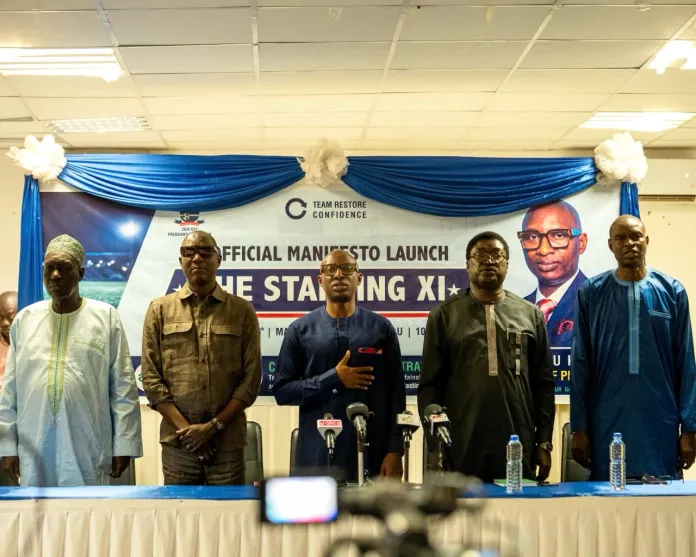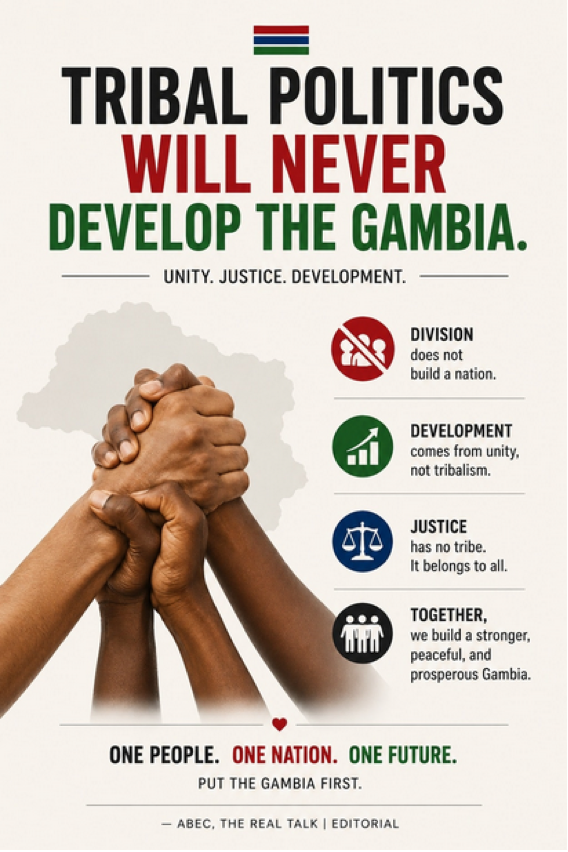
As The Gambia approaches another general election, the discourse surrounding national unity is reportedly being supplanted by a more divisive political narrative centered on tribal politics. This shift in rhetoric is observed as the country prepares for its upcoming polls, creating a pressing concern for the nation's democratic future. Indeed, as The Gambia edges towards another general election, the language of national unity is steadily giving way to a more divisive political narrative: tribal politics. Tribal politics, according to the emerging narrative, should not be a central component of a liberal democracy, and many argue it should have no place at the heart of a liberal democracy. The move away from a unified national message towards one rooted in tribal distinctions marks a significant development in the Gambian political landscape ahead of the electoral season, raising questions about the stability and inclusivity of its political processes. This growing emphasis on ethnic identity over shared national goals poses a substantial challenge to the foundational principles of a democratic society, where merit and policy should ideally take precedence. The implications of such a shift are broad, potentially impacting social cohesion, political participation, and the very fabric of national identity.
Identity Over Ideas
Political operatives in The Gambia are increasingly drawing ethnic battle lines, mobilising support based on identity rather than specific ideas or policies. This approach, where leaders appeal primarily to ethnic loyalty, reportedly abandons the ideal of political leadership exercised without regard to tribe. When leaders appeal primarily to ethnic loyalty, they abandon the ideal of political leadership exercised without regard to tribe, fostering an environment where group affiliation supersedes national interest. Experts suggest that tribal identity, when instrumentalised for political gain, becomes a tool of exclusion. Such politics fractures citizenship into competing loyalties, leading some to feel the state belongs more to others than to them. Tribal politics fractures citizenship into competing loyalties, making some feel the state belongs more to others than to them, thereby eroding the collective sense of belonging essential for a cohesive nation. Consequently, minorities are left feeling sidelined from national development, political participation, and public power, creating deep-seated grievances and hindering inclusive progress. This dynamic is not new to Gambian politics; the People’s Progressive Party (PPP), for instance, drew significant support from the Mandingo community throughout its thirty-year rule. This historical precedent notes how deeply entrenched ethnic alignments can become in the political system, shaping electoral outcomes and governance for decades. Today, major political parties, including the National People's Party (NPP), the United Democratic Party (UDP), the Alliance for Patriotic Reorientation and Construction (APRC), and the Gambia Democratic Congress (GDC), each have identifiable ethnic alignments, according to observations. This persistent pattern suggests that despite democratic transitions, the influence of tribal identity remains a powerful, if often unstated, force in shaping political allegiances and party structures. The reliance on ethnic identity as a primary mobilising factor not only undermines the development of policy-driven political discourse but also perpetuates divisions that can be exploited for short-term electoral gains, often at the expense of long-term national unity and development.
Undermining Democratic Foundations
Tactics employed in tribal politics reportedly corrode trust among communities and threaten the fragile democratic gains secured in The Gambia since 2017. These tactics corrode trust between communities and threaten the fragile democratic gains secured since 2017, jeopardising the progress made in establishing a more open and accountable political system. Political fragmentation further heightens this danger, with established parties losing dominance and new political entities emerging. The danger today is heightened by political fragmentation, with established parties losing dominance and new parties emerging, creating a more complex and potentially volatile political landscape. This proliferation of parties, while potentially offering more choice, can also diffuse political power and make it harder to forge broad, national consensus on critical issues. Political philosopher John Rawls argued that a just political system requires individuals to imagine themselves behind a "veil of ignorance," suggesting decisions should be made without knowledge of one's own position in society. This philosophical concept implies a focus on universal principles rather than identity-based interests, advocating for a political framework that transcends tribal or ethnic affiliations. Loyalty to the Constitution, respect for the rule of law, and a commitment to liberal democratic principles must ultimately take precedence over tribal allegiance, according to observers. Without this foundational commitment, the very legitimacy of democratic institutions can be called into question. The current political landscape, marked by a proliferation of parties, suggests a challenge to traditional power structures, which could exacerbate or mitigate the impact of tribal divisions depending on the conduct of political actors. If new parties also fall into the trap of tribal mobilisation, the fragmentation could deepen divisions; conversely, if they champion inclusive, policy-based platforms, they could offer a pathway to more unified politics. Maintaining a focus on national unity and constitutional principles is thus presented as critical for the country's democratic future, ensuring that the gains made since 2017 are not eroded by divisive identity politics. The integrity of the electoral process and the long-term stability of the nation depend heavily on political actors prioritizing national cohesion over narrow tribal interests.
Pathways to Reform
The leadership of the National People's Party (NPP) must take decisive steps to eliminate tribalism within its ranks, according to observations. Specifically, the leadership of the NPP must take decisive steps to stamp out the pernicious tribalism within its ranks, setting an example for other political entities and demonstrating a genuine commitment to national unity. The state bears a duty to curb tribal politics, particularly when it includes hate speech, exclusion, or incitement. The state has a duty to curb pernicious tribal politics, particularly where it is laced with hate, exclusion or incitement, as such rhetoric can destabilize society and undermine democratic norms. Proportional representation could address chronic under-representation, especially for minorities and women. Proportional representation could help address chronic under representation, particularly of minorities and women, by ensuring that legislative bodies more accurately reflect the demographic diversity of the nation. Legislative mechanisms could also ensure broader ethnic inclusion in Cabinet and senior public offices, fostering a sense of shared ownership and participation among all communities.
The United Nations Office of the High Commissioner for Human Rights has emphasized that effective minority participation is essential for correcting structural power imbalances within democratic systems. The UN Office of the High Commissioner for Human Rights has made clear that effective minority participation is essential to correcting structural power imbalances within democratic systems, noting the global importance of inclusive governance. Parliament must enact laws to protect minorities, regulate ethnically divisive mobilization, and promote meaningful inclusion across public institutions. Parliament must enact laws that protect minorities, regulate hate laden ethnic mobilisation and promote meaningful inclusion across public institutions, thereby creating a legal framework that safeguards against discrimination and promotes equitable representation. Additionally, political parties are expected to discipline their members and reject tribal agitation as a campaign strategy. Political parties must discipline their ranks and reject tribal agitation as a campaign strategy, ensuring that internal party conduct aligns with broader national goals of unity and inclusivity. Citizens hold a responsibility to refuse to reward politicians who exchange division for power. Citizens must refuse to reward politicians who trade division for power, using their electoral voice to demand leadership that prioritizes national cohesion and democratic principles over divisive identity politics. This collective refusal is key for fostering a political culture that values unity and progress over fragmentation and conflict.