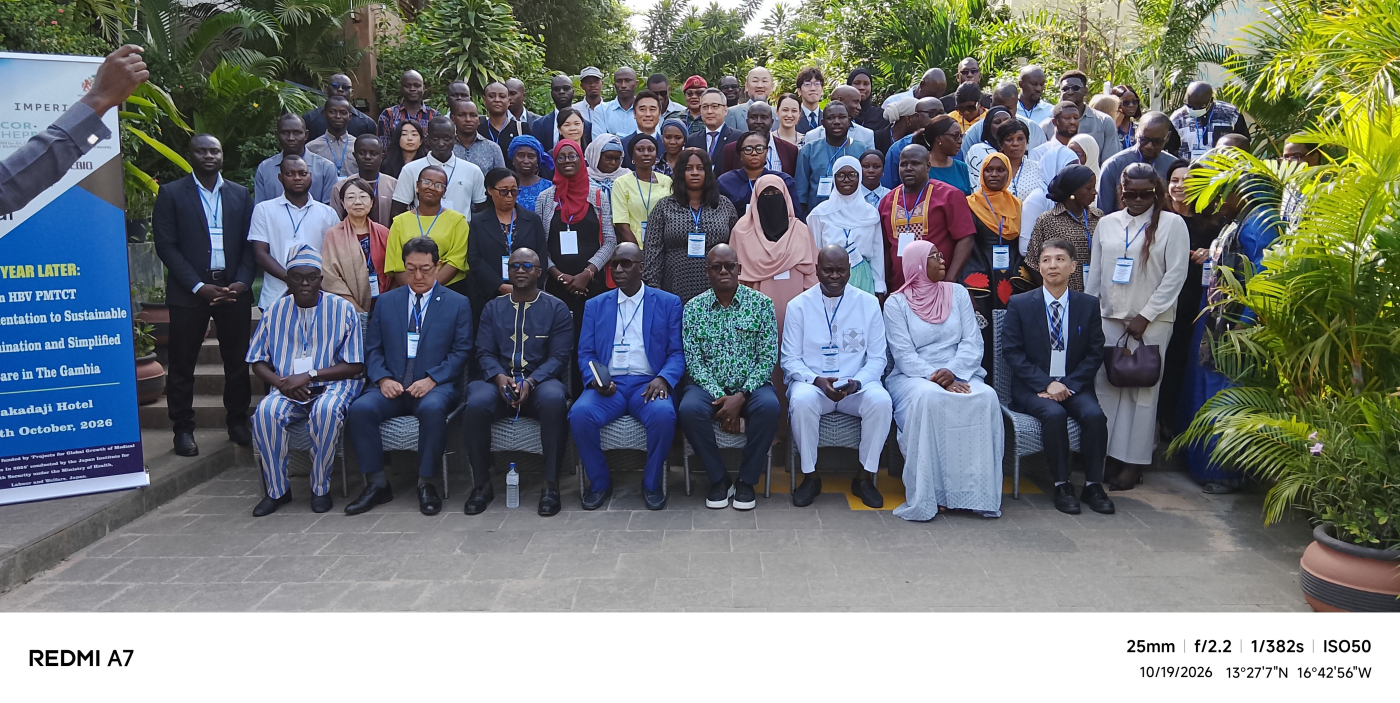
The Gambia held a national stakeholder engagement on the triple elimination of mother-to-child HIV, syphilis, and hepatitis B on Monday, 19 October 2026. Government officials and health partners gathered to discuss strategies for preventing vertical transmission of these three conditions. The session focused on integrating screening and treatment services into existing maternal and child health programs. Participants reviewed current testing capacities and identified resource requirements to expand the initiative across all health regions. This meeting represents the latest step in the national effort to improve birth outcomes and reduce the prevalence of these infections among newborns. Health authorities expect the stakeholder feedback to inform the next phase of the implementation plan as the country works toward achieving international elimination targets.
Collaborative Efforts and Partnerships
The Ministry of Health is collaborating with the Medical Research Council The Gambia at LSHTM, the Center for Clinical Science, and the Japan Institute for Health Security to advance the elimination drive. Musa Camara, Deputy Permanent Secretary-Technical at the Ministry of Health, noted the progress in these efforts. "The Gambia has made significant progress in maternal and child health, particularly through the expansion of antenatal care, the prevention of mother-to-child transmission and the implementation of routine infant hepatitis B vaccination across all health facilities," he said. Camara added, "We must strengthen the entire continuum of care — from screening and diagnosis to risk assessment, timely antiviral prophylaxis, treatment and long-term follow-up."
Implementation of the DETECT-B pilot project occurred in seven health facilities within the Western Two Health Region. Dr. Watara Sugiura, Director General of the Centre for Clinical Science at the Japan Institute for Health Security, assessed the initiative. "Over the past year in The Gambia, through the dedication of health workers and researchers, a pilot project to prevent mother-to-child transmission of hepatitis B has turned that longstanding commitment into concrete action in health facilities, and has been evaluated with great care," Sugiura said.
A national workshop regarding hepatitis B service availability and readiness took place in October 2025. Tomonao Ouki, Head of Global Research and Development for Fujirebio, described the outcomes of this event. "The workshop resulted in a roadmap for integrating HBsAg testing with three concrete actions, including strengthening training, improving national reporting systems and preparing for broader implementation," Ouki stated.
Dr. Nathan Nsubuga Bakyaita, the WHO Country Representative, reflected on the national strategy. "Today’s meeting comes at a critical moment. The Gambia has long been recognized globally for its contributions to hepatitis B research and for pioneering interventions that have shaped global understanding of hepatitis B prevention and control," Bakyaita said. Regarding the capacity for future expansion, he added, "It’s easier for us to roll out things. It’s easier for us to monitor what’s happening. It’s easier for us to report the results so that we can share with the whole world the great work that is happening in The Gambia."