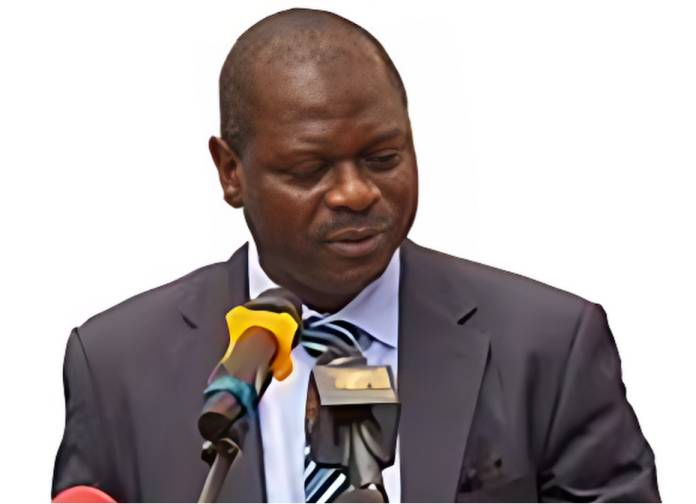
The Gambia's Ministry of Finance initiated the process of embedding climate priorities into its financial strategy three years ago, marking a key moment in the nation's approach to economic development and environmental stewardship. This significant undertaking signifies a full national effort to integrate critical environmental considerations directly into the fabric of public spending and investment decisions. This forward-thinking initiative aligns strategically with a broader program supported by the International Monetary Fund (IMF) for the country, which is designed to foster economic resilience and sustainable growth. The IMF program is extensive, encompassing more than 18 distinct reform agendas, each aimed at strengthening various facets of The Gambia's economy and governance. Minister of Finance and Economic Affairs, Seedy Keita, articulated the government's firm commitment, stating unequivocally, "All future long-term investment is assessed and reviewed through a climate-smart lens." This declarative statement shows a fundamental shift in policy, ensuring that every significant development project undertaken by the nation will inherently contribute to climate resilience and adaptation efforts. As a tangible example of this integrated approach, road infrastructure development across the country now systematically incorporates proper drainage systems. There is a deliberate and strategic transition from traditional gravel roads to more durable and climate-resistant asphalt double surface dressing, aiming for more sustainable and climate-adaptive construction practices that can withstand the increasing challenges posed by a changing climate.
IMF Partnership Drives Reforms and Sustainable Development
The Gambia is actively participating in a full 18-month program under the International Monetary Fund’s Resilience and Sustainability Trust. This targeted program is instrumental in supporting the country's ambitious efforts to systematically integrate climate considerations into its public finance system, thereby ensuring that fiscal policies and investment decisions are aligned with long-term environmental sustainability. The engagement with the IMF through this Trust provides key technical assistance and financial backing, enabling The Gambia to implement the necessary structural reforms to achieve its climate objectives. The program's multi-faceted nature, encompassing over 18 reform agendas, notes the depth and breadth of the country's commitment to holistic national development that prioritizes both economic stability and environmental protection.
A significant portion of The Gambia's existing energy supply already comes from renewable sources, providing a strong foundation for further expansion in this sector. More than 40% of the nation's electricity is currently sourced from hydroelectric power, delivered efficiently through the OMVG network. This regional power network connects The Gambia directly to Guinea, leveraging shared resources for sustainable energy generation. This existing infrastructure not only demonstrates a historical commitment to renewable energy but also provides a strong foundation upon which the country can build for the further expansion of sustainable energy initiatives and a greener energy mix.
In line with its ambitious climate goals and energy transition strategy, The Gambia is actively advancing a substantial 50MW solar project located in Soma. The procurement process for this significant project is currently at an advanced stage, indicating considerable progress toward increasing the country's renewable energy capacity and diversifying its power sources. This initiative is designed to play a key role in the national strategy, aiming not only to diversify the energy mix but also to significantly enhance energy security by reducing the nation's reliance on imported fossil fuels. The successful implementation of this project will contribute substantially to reducing greenhouse gas emissions and fostering a more sustainable energy future for The Gambia.
Climate-Smart Infrastructure and Investment Framework
To effectively enhance its institutional capacity for integrating climate considerations into public financial management, The Gambia established a dedicated climate finance team. This specialized team is central to the country's overarching efforts to align its financial strategies with ambitious environmental sustainability goals. The team's mandate includes developing expertise, coordinating climate-related financial flows, and ensuring that all public investments are screened for their environmental impact and climate resilience potential. This strategic institutional development shows the government's commitment to building a strong framework for climate-informed financial decision-making.
Complementing these efforts, the nation also developed a full national energy roadmap. This strategic document meticulously outlines a detailed strategy for climate-proofing its energy mix, ensuring resilience against future climate shocks and variability. The roadmap places a strong emphasis on transitioning towards more resilient and sustainable energy sources, with the dual aim of reducing vulnerability to the adverse impacts of climate change while simultaneously ensuring long-term energy security for the populace. This initiative strategically builds upon existing infrastructure, such as the OMVG network, which already supplies over 40% of the country's electricity from reliable hydroelectric sources, demonstrating a progressive and practical approach to energy policy.
Under the newly implemented framework, all future investments, regardless of their sector or scale, are rigorously required to incorporate a distinct climate element. This key process begins with a mandatory environmental impact assessment (EIA) for each and every project. The assessment serves as a critical preliminary step, ensuring that potential environmental effects, both positive and negative, are thoroughly evaluated and understood before any project implementation commences. This rigorous evaluation guides decision-making processes towards more sustainable and climate-resilient outcomes, minimizing environmental harm and maximizing ecological benefits. The requirement for an EIA applies broadly across various sectors, including but not limited to infrastructure development, agricultural initiatives, and urban planning. This full approach ensures that public spending consistently contributes to the country's broader climate adaptation and mitigation objectives, fostering a greener and more resilient economy. This proactive and integrated strategy aligns perfectly with the Ministry of Finance's earlier directive, as articulated by Minister Seedy Keita, that all long-term investments be assessed through a climate-smart lens, embedding environmental responsibility at the core of national development.
Energy Transition and Clean Cooking Solutions
The Gambia has made remarkable strides in ensuring widespread access to electricity, achieving an impressive 90% electricity access rate across the nation. This high level of access signifies that the vast majority of Gambian households and businesses now have reliable access to power, providing a strong and essential foundation for the country's ongoing energy transition efforts. This widespread electrification is key for supporting economic growth, improving quality of life, and facilitating the adoption of modern technologies.
In parallel with the significant expansion of its electrical grid and the push for renewable electricity, the government is also proactively exploring a complete and ambitious transition to 100% clean cooking solutions. This initiative specifically focuses on the widespread use of butane gas as a primary cooking fuel. This strategic move aims to drastically reduce reliance on traditional biomass fuels, such as firewood and charcoal, which are commonly used in many households. The use of traditional biomass fuels often contributes significantly to deforestation, leading to environmental degradation, and also causes severe indoor air pollution, posing substantial health risks to women and children. The transition towards butane gas is therefore an integral part of a broader, multi-faceted strategy designed to enhance public health outcomes, improve living conditions, and promote environmental sustainability by preserving forest resources and reducing carbon emissions.
Looking ahead, The Gambia has ambitious plans for an additional 100MW solar project. This new and substantial development, once realized, would significantly increase the country's total renewable energy capacity, further diversifying its energy mix beyond existing hydroelectric sources and the 50MW solar project already underway in Soma. The strategic expansion of solar power is central to the nation's full strategy for achieving its climate goals, bolstering energy security, and fostering sustainable development through environmentally sound means. These forward-looking plans align perfectly with the country's unwavering commitment to integrating climate considerations into its public finance system. By doing so, The Gambia ensures that future energy infrastructure development not only meets the growing demands for power but also actively contributes to building a more resilient, sustainable, and environmentally sound economy for all its citizens. This holistic approach positions The Gambia as a leader in climate-smart development within the region.