The Gambia possesses a rich cultural heritage, described as a living archive of African civilization and a sanctuary of memory, encompassing monuments, traditions, sacred spaces, and historical landmarks. Indeed, The Gambia is a living archive of African civilisation, a sanctuary of memory, and a treasury of monuments, traditions, sacred spaces, and historical landmarks. This national heritage is considered the moral inheritance from forebears and the spiritual property of future generations. Heritage is, in essence, the moral inheritance of our forebears and the spiritual property of generations yet unborn. Heritage sites, traditions, and ceremonies bear witness to resilience, sacrifice, wisdom, and dignity, which are seen as foundational to national identity and key for the country's economic future. These sites, traditions, and ceremonies carry testimony of resilience, sacrifice, wisdom, and dignity, forming the foundations of national identity and pillars of economic future. Advocates suggest a nation that neglects its past risks losing command of its future, while a people who disregard their cultural memory risk surrendering their identity. A nation that forgets its past slowly loses command of its future, and a people who neglect their cultural memory risk surrendering the very essence of their identity. Heritage conservation efforts are thus focused on preserving identity, fostering national pride, educating future generations, and creating sustainable prosperity, with the aim of ensuring The Gambia's story inspires globally. Heritage conservation is about preserving identity, national pride, educating future generations, creating sustainable prosperity, and ensuring The Gambia's story inspires the world.
A Rich Tapestry of History
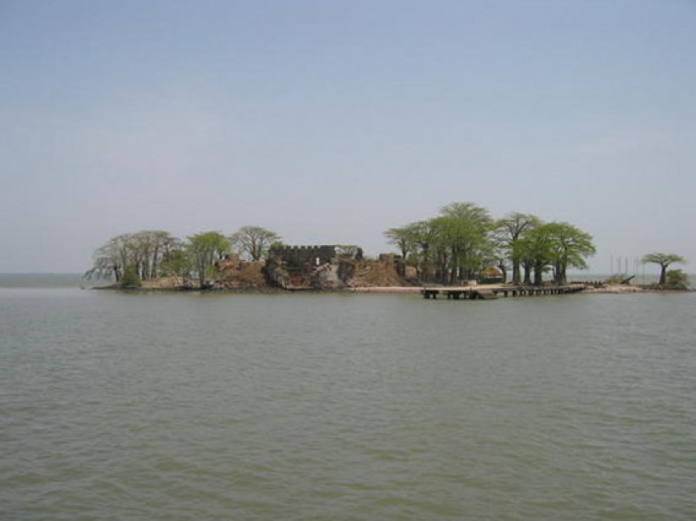
Kunta Kinteh Island and its related sites function as memorial landscapes directly connected to the Trans-Atlantic Slave Trade. Kunta Kinteh Island and its related sites are memorial landscapes connected to the Trans-Atlantic Slave Trade, offering a poignant reminder of a significant chapter in human history. Other sites associated with this period include Albreda, Juffureh, Fort Bullen, and Six Gun Battery, all bearing witness to a difficult past. These sites, including Albreda, Juffureh, Fort Bullen, and Six Gun Battery, serve as tangible links to the historical impact of this trade. The Stone Circles of Senegambia, particularly those located at Wassu and Kerbatch, represent remarkable archaeological achievements on the African continent, showcasing ancient engineering and cultural practices. The Stone Circles of Senegambia, especially at Wassu and Kerbatch, are truly remarkable archaeological achievements on the African continent, drawing visitors and researchers alike. Janjanbureh, formerly known as Georgetown, has gained international recognition due to its historical significance in the memory of enslavement. Janjanbureh, previously Georgetown, has risen in international stature due to its historical significance in the memory of enslavement, making it a key site for historical reflection and education.
Arch 22 stands as a prominent gateway to the capital city and serves as a powerful symbol of modern Gambian statehood. Arch 22 stands as a gateway to the capital and a symbol of modern statehood, greeting all who enter Banjul. In Banjul, the National Museum safeguards a collection of artifacts that illuminate the country's political, social, and cultural evolution over centuries. The National Museum in Banjul safeguards artefacts illuminating political, social, and cultural evolution, providing a full overview of the nation's journey. The Kachikally Crocodile Pool is recognized as a sacred site where spirituality, tradition, and tourism converge. The Kachikally Crocodile Pool is a sacred site where spirituality, tradition, and tourism meet, offering a unique cultural experience to visitors. A historical corridor is formed by a series of sites including the Mungo Park Memorial, Fort Bullen, McCarthy Square, Albert Market, and various colonial-era buildings, collectively narrating parts of The Gambia's past. Historical sites like Mungo Park Memorial, Fort Bullen, McCarthy Square, Albert Market, and colonial era buildings form a historical corridor that invites exploration and understanding.
The soul of The Gambia is expressed through traditional instruments such as the kora, balafon, sabar, and various forms of traditional drumming. The soul of The Gambia resonates through instruments like the kora, balafon, sabar, and traditional drumming, creating a vibrant soundscape. Griots play a vital role as living libraries, preserving genealogies, histories, moral lessons, and communal wisdom through oral traditions. Griots serve as living libraries preserving genealogies, histories, moral lessons, and communal wisdom, ensuring that the stories of the past are passed down accurately. The Kankurang is a powerful expression of indigenous belief systems, discipline, and cultural continuity. This masked tradition embodies deep spiritual meaning and plays a key role in community rites of passage. Gambian festivals and celebrations frequently showcase the rich diversity among its many ethnic communities, including the Mandinka, Fula, Wolof, Jola, Serahule, Serer, Aku, and Manjago peoples. Gambian festivals and celebrations showcase diversity among ethnic communities including Mandinka, Fula, Wolof, Jola, Serahule, Serer, Aku, Manjago, reflecting the nation’s multicultural fabric and fostering unity. These vibrant events are not merely spectacles but profound expressions of identity and shared heritage, bringing together diverse traditions in a harmonious display. The rhythmic pulses of traditional drumming accompany lively dances, telling stories of ancient times, agricultural cycles, and communal bonds. The intricate melodies of the kora, often played by master griots, weave through the air, carrying the weight of history and the joy of celebration. These cultural expressions are integral to the social cohesion and spiritual well-being of the Gambian people, reinforcing a sense of belonging and continuity across generations.
Threats to Preservation
Many historical sites in The Gambia currently suffer from neglect, erosion, environmental pressure, urban expansion, vandalism, and weak public awareness, according to cultural heritage observers. Many historical sites suffer from neglect, erosion, environmental pressure, urban expansion, vandalism, and weak public awareness, undermining their structural integrity and historical value. A number of artifacts also remain insufficiently documented, while various buildings require urgent restoration efforts. Some artefacts remain insufficiently documented, and some buildings require urgent restoration, noting the pressing need for full conservation strategies. The cumulative effect of these challenges threatens to erase invaluable pieces of The Gambia's past, making urgent and concerted action imperative. The encroachment of modern development, coupled with natural degradation, places immense pressure on these irreplaceable assets. Without proper documentation, the stories embedded within these artifacts risk being lost forever, diminishing the collective memory of the nation.
Preservation of this heritage must become a national ethic, embraced by communities, schools, families, traditional authorities, religious leaders, civil society organizations, and the private sector. Preservation must become a national ethic embraced by communities, schools, families, traditional authorities, religious leaders, civil society, and the private sector, creating a unified front against heritage loss. Integrating heritage education into the school system is seen as a necessary step to foster this ethic among younger generations. Heritage education should be integrated into the school system, ensuring that future citizens understand and value their cultural inheritance. Additionally, communities should be empowered to act as guardians of local sites, promoting a sense of ownership and responsibility for their immediate cultural assets. Communities should be empowered as guardians of local sites, fostering a bottom-up approach to conservation that leverages local knowledge and commitment. This empowerment can transform passive observers into active participants, instilling a sense of pride and collective responsibility for the preservation of their local history and traditions. By making heritage conservation a community-driven initiative, the likelihood of long-term success is significantly enhanced, as local populations become invested stakeholders in protecting their shared legacy.
Strengthening heritage laws is key to prevent illegal encroachment and destruction of historical and cultural sites. Heritage laws must be strengthened to prevent illegal encroachment and destruction, providing a strong legal framework for protection. Such legal frameworks are essential for providing a protective structure against ongoing threats to The Gambia's cultural legacy. These laws would serve as a powerful deterrent against unauthorized development and vandalism, safeguarding sites from irreversible damage. Effective enforcement of these strengthened laws is equally important, ensuring that legal provisions translate into tangible protection on the ground. A full legal system, coupled with vigilant oversight, can provide the necessary shield for The Gambia's vulnerable heritage sites, ensuring their survival for future generations.
Unlocking Economic Potential
Heritage tourism represents a dynamic and profitable sector worldwide, generating employment, foreign exchange, international visibility, and community development. Heritage tourism is a dynamic and profitable sector globally, yielding employment, foreign exchange, international visibility, and community development, making it a powerful tool for economic growth. The Gambia possesses the necessary elements to become a leading heritage tourism destination within West Africa. The Gambia possesses ingredients to be a leading heritage tourism destination in West Africa, given its unique historical and cultural assets. Investments in heritage are projected to create employment opportunities across various fields, including for architects, engineers, artisans, historians, researchers, and guides. Investment in heritage creates jobs for architects, engineers, artisans, historians, researchers, guides, transport operators, photographers, hotel workers, restaurateurs, and small businesses, stimulating diverse sectors of the economy. Additionally, such investments would benefit transport operators, photographers, hotel workers, restaurateurs, and small businesses, creating a ripple effect throughout the economy. This economic diversification would provide sustainable livelihoods for many Gambians, reducing reliance on traditional sectors and fostering entrepreneurship within the cultural and tourism industries.
The Gambia offers a competitive advantage through its world-renowned historical sites, the enduring legacy of the Trans-Atlantic Slave Trade, sacred traditions, and natural attractions such as beaches, river cruises, and diverse birdlife. The Gambia offers a competitive advantage with world-renowned historical sites, the legacy of the Trans-Atlantic Slave Trade, sacred traditions, beaches, river cruises, birdlife, music, dance, and hospitality, presenting a multifaceted appeal to global travelers. The country's vibrant music and dance scenes, coupled with its hospitality, further enhance its appeal. A critical component for this growth involves presenting a national narrative that frames The Gambia as a place where history breathes and culture remains alive. The national narrative must present The Gambia as a place where history breathes and culture remains alive, inviting visitors to immerse themselves in its rich tapestry. This narrative would highlight not only the historical significance but also the living, breathing cultural expressions that continue to thrive in the country, offering an authentic and enriching experience for tourists.
A Call for Collective Action
The Gambia is said to offer genuine tolerance, social warmth, religious coexistence, and a spirit of welcome. The Gambia offers genuine tolerance, social warmth, religious coexistence, and a spirit of welcome, creating an inviting atmosphere for all. Efforts have been made by the government to strengthen tourism development, improve site assessment, and advance branding initiatives. Government has made efforts to strengthen tourism development, improve site assessment, and advance branding initiatives, demonstrating a commitment to this sector. Observers suggest that The Gambia should establish a dedicated National Heritage Preservation Fund. Such a fund would provide a stable and dedicated source of financing for critical conservation projects, ensuring their long-term sustainability. Modern museums should also be developed, featuring digital tools, interactive displays, and educational programmes. Modern museums should be developed with digital tools, interactive displays, and educational programmes, transforming them into dynamic learning environments. To enhance the tourism landscape, interpretation centres, heritage trails, multilingual guides, and cultural villages are recommended as central features. These additions would enrich the visitor experience, offering deeper insights and more engaging interactions with Gambian heritage. The recent elevation of Janjanbureh, coupled with momentum around conservation and renewed attention to heritage development, presents a historic opportunity to reposition Destination Gambia. The recent elevation of Janjanbureh, momentum around conservation, and renewed attention to heritage development offer a historic opening to reposition Destination Gambia, capitalizing on current interest and investment. Ultimately, the responsibility for heritage conservation is believed to belong to every Gambian. The responsibility for heritage conservation belongs to every Gambian, showing the collective effort required to safeguard this invaluable national treasure. This shared responsibility ensures that the unique cultural and historical legacy of The Gambia is not only preserved but also celebrated and passed on to future generations, securing its place on the global stage.