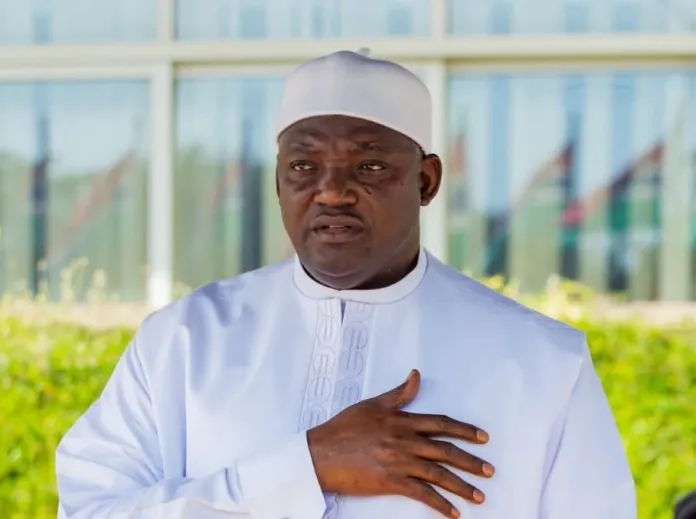
An ambassadorial meeting of the UN Peace Building Commission (PBC) recently convened in the United States to observe a Spotlight Documentary focusing on The Gambia’s ongoing transitional justice process. The session aimed to highlight the country's efforts in addressing past human rights abuses and establishing accountability. This gathering brought together international representatives to review the progress and challenges faced by The Gambia in its post-dictatorship reforms. The documentary provided an in-depth look at various aspects of the country's journey towards reconciliation and justice, showing the international community's continued interest in the nation's stability and democratic consolidation. The meeting in the United States facilitated discussions on how international support could further bolster these critical initiatives, emphasizing the delicate balance required to sustain such progress.
Praise for Transitional Justice
Following remarks by Attorney General Dawda Jallow, ambassadors from countries on the Peacebuilding Commission and three non-member ambassadors participated in a discussion. These ambassadors lauded The Gambia's transitional justice process, describing it as a model of global best practice, and pledged their continued support. Their commendation notes the international community's recognition of the nation's efforts in this area, particularly in navigating the complex path from authoritarian rule to democratic governance. Gambian transitional justice practitioners are frequently invited to international events and conferences, where they share lessons learned from the country's process. This engagement shows the perceived efficacy and positive impact of The Gambia's approach to addressing past human rights issues, further solidifying its reputation as a leader in this critical field.
The Unaddressed Third Term Issue
President Adama Barrow's pursuit of a third term in office is widely "frowned upon both at home and in international circles," according to the article. The report states that this ambition poses a significant challenge to the ongoing transitional justice process in The Gambia. The article notes that "most of the worst atrocities committed by governments against their citizens are committed through legal means," suggesting a concern that constitutional amendments could be used to facilitate a third term. This potential manipulation of legal frameworks raises serious questions about the integrity of the country's democratic institutions. It further emphasizes that the implementation of "term limits were among the highest expectations of the Gambian people who voted for Barrow," indicating a potential conflict between public sentiment and the President's reported intentions. This issue remains a critical point of contention within discussions surrounding the nation's democratic future and its commitment to the principles of transitional justice, threatening to undermine the very foundations of its post-dictatorship reforms.
International Concerns and Retraumatization
The Gambia's Attorney General and Minister of Justice, Dawda Jallow, presented remarks at the UN Peace Building Commission (PBC) meeting, detailing the successes, current status, and challenges facing the country's transitional justice process. While acknowledging the progress made, the article claims that President Adama Barrow's reported ambition for a third term "is retraumatising Gambians who, collectively, were victims of a careless, self-perpetuating leader." This concern suggests a potential setback in the healing process for a population that endured past abuses under the previous regime. The prospect of a leader extending their stay in power through means perceived as undemocratic can evoke painful memories and fears of a return to authoritarianism, directly impacting the psychological well-being of the populace. Such actions risk undoing the trust and reconciliation efforts painstakingly built through the transitional justice mechanisms.
Broader Implications for Democracy
President Adama Barrow's reported third-term bid "represents a stain on our transitional justice process and has the potential to create insecurity and nullify the country’s democratic gains," the article claims. It states that "term limits were at the heart of the struggle against Jammeh’s dictatorship," showing their significance in The Gambia's democratic transition and the collective memory of its citizens. The article further argues that Barrow's pursuit of a third term "makes it near-impossible to consolidate our democratic gains and sustain the narrative of success currently enjoyed by our transitional justice process." This ambition, it suggests, could undermine the progress made in establishing accountability and reconciliation, jeopardizing the long-term stability and democratic aspirations of the nation. The erosion of term limits, a cornerstone of democratic governance, could send a chilling message about the commitment to true institutional reform and the prevention of future abuses of power.