Turkish investors, including FTI founder Dietmar Gunz, are making a significant entry into the Gambian tourism market with the launch of the ambitious $200 million Tanji Destination City project. This substantial development, spearheaded by Temple Tree Investments Gambia (TTIG), officially commenced with a ceremony attended by approximately 2,000 people at the end of January. The full project is set to feature six distinct hotels and 800 residential units, all strategically located in Tanji, a coastal area poised for significant growth. The project partners driving this initiative include Özcan Toklar, Ahmet Pandır, Tarık Musa, Aleksey Boyko, and Dietmar Gunz, forming a diverse team with extensive experience. Ahmet Pandır is leading the overall development, with the first phase of the project scheduled to open its doors to visitors and residents in 2028. Pandır articulated the strategic approach to hotel development, stating, "We are developing the four-star hotels according to tour operators’ flight programs— one aircraft, one hotel," showing a tailored approach to accommodate international tourism demand.
Project Scope and Features
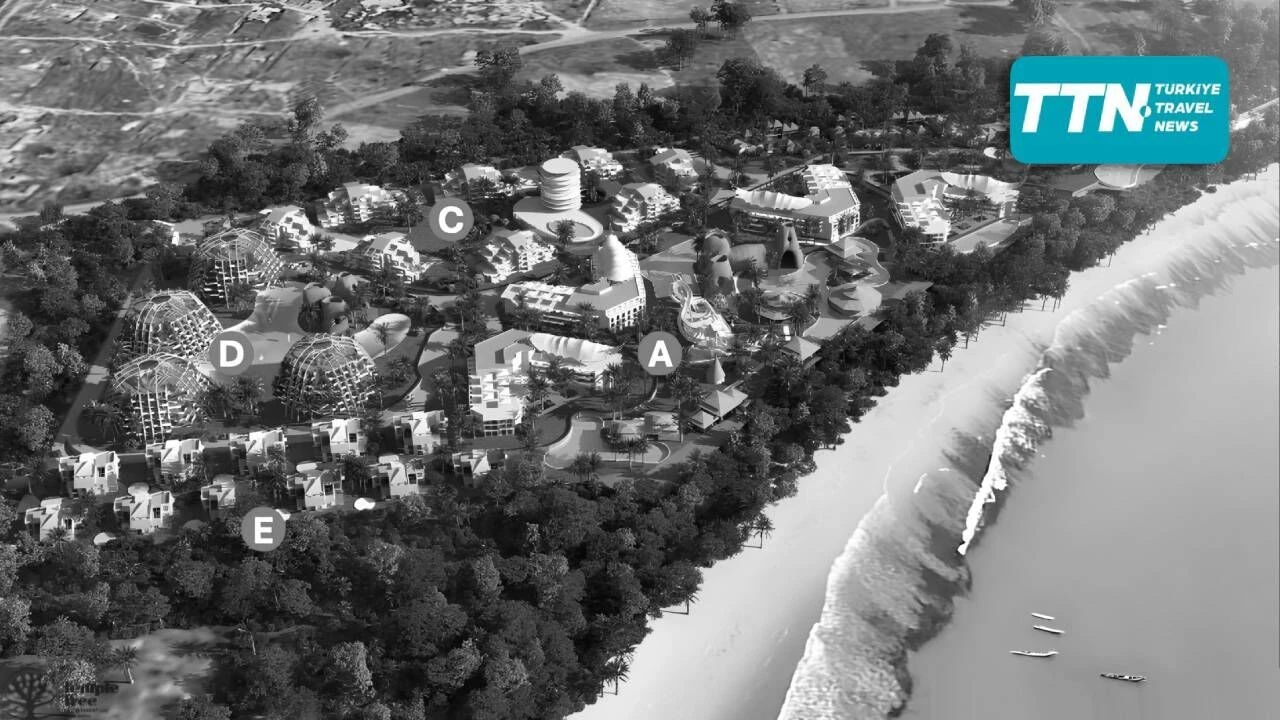
The careful planning and permitting process for the Tanji Destination City project spanned approximately one year, reflecting the scale and complexity of the undertaking. Temple Tree Investments Gambia (TTIG) envisions a full 10-year construction master plan for the entire development, indicating a phased and well-structured approach to its realization. The detailed scope of the project includes the construction of four distinct four-star hotels, each meticulously designed to offer 120 rooms, catering to a broad segment of leisure travelers. In addition to these, the plans incorporate the development of a luxurious five-star hotel, which will feature a substantial 300 rooms, providing upscale accommodation options. A city hotel, designed with 100 rooms, is also an integral part of the development, offering a different style of lodging within the new urban environment.
Beyond the hotel offerings, the project will also comprise 800 tourism-oriented residential units, designed to integrate smoothly with the hospitality infrastructure. A brand new city center is planned as a core component of the development, which will host a vibrant array of retail and social facilities, creating a self-sufficient and attractive environment for both residents and tourists. The city hotel, intended for a taller building within the development, will include dedicated meeting facilities, positioning it as a potential hub for business and events. The four-star hotels, in particular, are being specifically designed to align with the flight programs of various tour operators, ensuring efficient and convenient travel packages. These hotels will be strategically situated next to one another, specifically tailored for seaside holidays, and are planned to operate under an all-inclusive model, a popular choice for many international travelers seeking a hassle-free vacation experience.
The 800 residential units, while part of the broader development, are specifically intended for tourism purposes and will be managed through a leaseback model. This innovative approach means that an operating company established by the project partners will oversee the operation and management of these units, ensuring professional service and integration into the destination's tourism offerings. To facilitate the influx of visitors, charter flights are anticipated from key markets including Europe, Türkiye, and the Middle East, primarily utilizing narrow-body aircraft to bring visitors directly to the destination, enhancing accessibility and convenience. The master plan for this expansive project was meticulously designed by the renowned Turkish hotel architect Erdal Tusavul, whose expertise in hospitality design is expected to bring a distinctive architectural vision to the Tanji Destination City.
Investor Background and Experience
Dietmar Gunz, a key investor in the Tanji Destination City project, brings an extensive and invaluable wealth of experience in the Gambian market. Gunz's involvement in Gambia spans approximately 30 years, a period that dates back to his formative time with FTI, a major tour operator he founded. His deep connection with the region, including his role as the founder of FTI and former chairman of the company until its sale to the Sawiris family, provides a strong foundation for this new venture. His long-standing presence in the region suggests a profound understanding of the local tourism landscape, market dynamics, and operational requirements. This duration of engagement significantly precedes the current $200 million development, indicating a sustained interest and prior operational history within the country's tourism sector. The investor's prior work with FTI would have involved developing and managing a wide array of tourism products and services, potentially including establishing strong tour operator relationships, securing advantageous hotel contracting, and implementing effective destination marketing strategies, all of which are directly relevant and beneficial to the new project's ambitious scope. His proven experience in orchestrating and successfully executing large-scale tourism ventures is undeniably a significant asset for the Tanji development, offering strategic guidance and operational foresight.
Similarly, investor Tarık Musa has an exceptionally long and established history of engagement in Gambia, further bolstering the project's local expertise. Musa has not only resided in but also successfully conducted business within the country for approximately 40 years. This extended period of living and working in Gambia provides him with direct, on-the-ground knowledge of the local economic, social, and regulatory environment, which is key for navigating the complexities of a large-scale development. His four decades of diverse business activities in the country would have involved navigating various market conditions, building strong local relationships, and establishing extensive networks, all of which are indispensable for the successful implementation of a project as significant as the Tanji Destination City. Musa's long-term commitment to Gambia suggests a full understanding of the market dynamics and local operational considerations, perfectly complementing the international tourism expertise brought by other project partners like Dietmar Gunz. The synergy of international tourism acumen and profound local knowledge creates a strong foundation for the project's success.
Gambia's Growing Tourism and Investment Landscape
Gambia's economic landscape is experiencing a noticeable surge of interest from Turkish investors, extending well beyond the traditional tourism sector. This broader engagement notes a deepening economic partnership between Türkiye and the West African nation. A prime example of this expanding investment is the Albayrak Group, a prominent Turkish conglomerate, which is currently engaged in the monumental construction of what will become Gambia's largest port. This critical infrastructure project signifies a substantial investment not only in the country's logistical capabilities but also in its long-term economic future. The new port is expected to significantly enhance trade routes, improve connectivity for the West African nation, and facilitate greater economic interaction with global markets.
In addition to this transformative port development, another Turkish company has successfully established and now operates a modern cement factory within Gambia. The presence and ongoing operation of this manufacturing facility show the growing diversification of Turkish investment into vital industrial sectors. Such industrial developments contribute significantly to local employment opportunities, providing jobs and skills development for the Gambian workforce. These factories play a key role in meeting domestic demand for essential construction materials, which in turn supports further infrastructure development, housing projects, and overall real estate growth across the country. These diverse ventures collectively highlight a broader and more integrated trend of Turkish businesses actively engaging with Gambia's economy, moving beyond traditional tourism to encompass critical areas like port infrastructure and industrial production. The growing presence of Turkish firms in various sectors reflects an expanding and strengthening partnership between Türkiye and Gambia, promising mutual economic benefits and fostering sustainable development within the region.