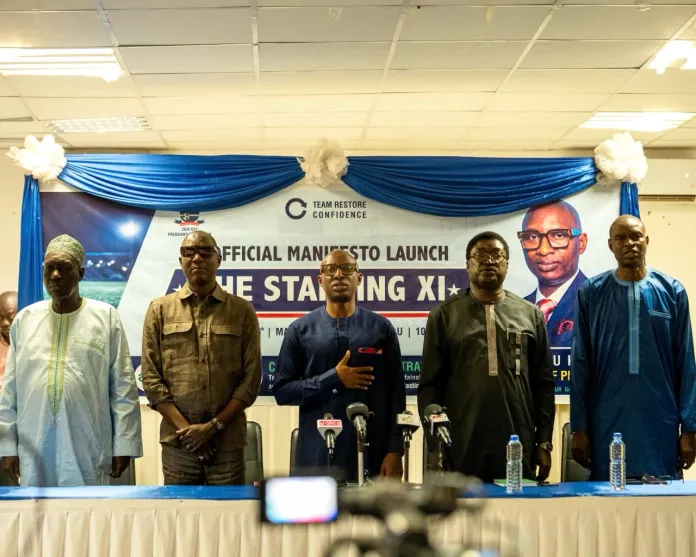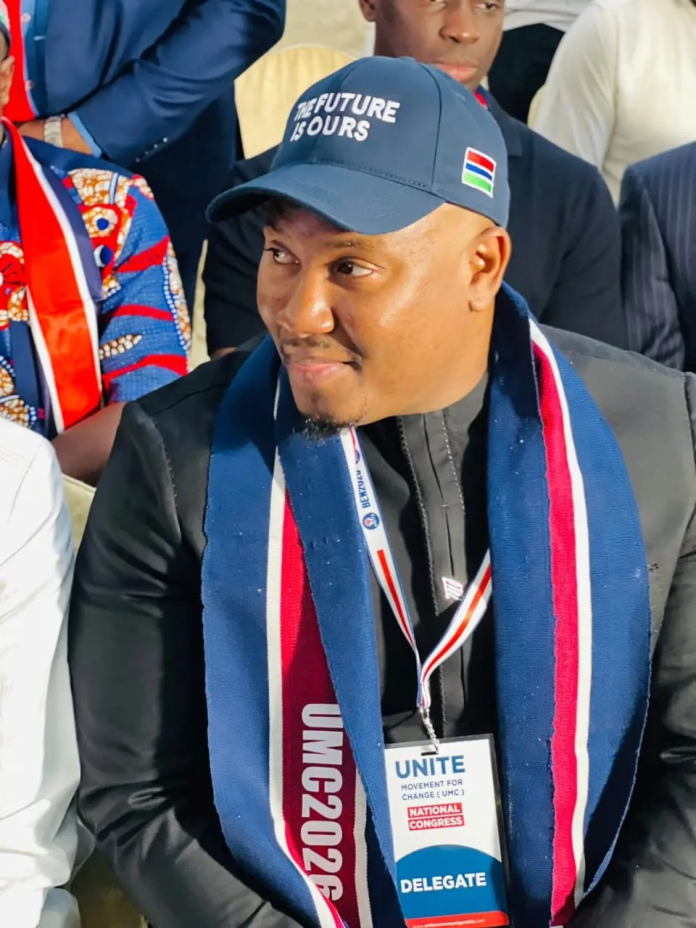
The Unite Movement for Change (UMC) held its inaugural national congress over the weekend, formally launching its executive leadership. This significant event marked a key moment for the nascent political organization, as it solidified its foundational structure and leadership team. The movement's formation and the subsequent unveiling of its executive positions it as a potential contender in the upcoming 2026 presidential election, signaling its intent to actively participate in the nation's political landscape. The congress, described as its maiden national gathering, brought together members and supporters to endorse the party's direction and elect its key figures.
New Leadership Team Takes Shape
During the congress, a new leadership team was formally elected, setting the stage for the movement's future activities. Talib Ahmed Bensouda was elected Movement Leader of the Unite Movement for Change (UMC), a role that places him at the forefront of the organization's strategic direction and public representation. Complementing his leadership, Dembo Kanteh was elected Secretary General, tasked with overseeing the movement's administrative functions and internal coordination. Further strengthening the executive, Musa Camara was elected Deputy Secretary General, poised to support the Secretary General in managing the movement's operational responsibilities.
Mr. Bensouda currently serves as the Mayor of the Kanifing Municipal Council, a position that has provided him with significant experience in public administration and local governance. His existing mandate as mayor lends a degree of public recognition and practical experience to his new role within the UMC. In remarks following his election, Mr. Bensouda articulated a clear vision for the movement and the nation. "Today is a declaration that Gambian people are ready to move forward," he stated emphatically. He continued, "A declaration that The Gambia needs a leadership that is competent, disciplined, and prepared to govern." This statement showed the UMC's commitment to offering a strong and responsible alternative to the current political establishment.
He further emphasized the movement's overarching mission, clarifying its foundational principles. "This is a national political movement not built around one man but built on one mission to unite the Gambian people, restore confidence in public leadership, and transform the future of our dear republic," Mr. Bensouda declared. This notes the UMC's aspiration to move beyond personality-driven politics, focusing instead on collective national objectives and institutional strengthening. The emphasis on restoring confidence in public leadership suggests a recognition of a perceived deficit in trust between the populace and its governing bodies, which the UMC aims to address.
Mr. Bensouda did not shy away from noting several pressing societal challenges facing The Gambia, painting a picture of widespread discontent and hardship. He observed, "Young people graduate without certainty. Families struggle to raise the cost of living. Farmers work hard yet they remain vulnerable." These observations point to critical issues such as youth unemployment, economic strain on households, and the precarious state of the agricultural sector, which are central to the UMC's concerns. He added, "The Gambian people are tired. Tired of politics that only becomes visible during elections. Tired of leaders who only campaign emotionally but govern carelessly." This critique suggests a desire for more consistent and responsible governance, moving away from what the UMC perceives as superficial political engagement.
He also critiqued the role of youth in politics, asserting, "The youth of this country cannot continue to be used as political decorations while unemployment destroys their future." This statement reflects a commitment to empowering young people beyond their traditional roles in political rallies, advocating for concrete solutions to their economic and social challenges. Mr. Bensouda showed the importance of responsible governance, asserting, "Public office must become a responsibility, not an opportunity for privilege. The Gambian people deserve a government that accounts for public money, respects institutions, and delivers services efficiently." This declaration outlines a fundamental principle of accountability and service delivery that the UMC intends to champion if it assumes power. He concluded his address by calling for unity, stating, "We may belong to different parties, different religions, different generations, but we share the republic. We share one destiny. We share one future." This appeal for national cohesion serves as a cornerstone of the movement's identity and its vision for a unified Gambia.
Movement's Vision and Goals for The Gambia
The Unite Movement for Change (UMC) has outlined a full vision centered on several core tenets: national unity, accountability, justice, and inclusion for The Gambia. This framework is intended to serve as the guiding philosophy for the movement's actions and policies, should it gain political office in the future. The UMC emphasizes its unwavering commitment to these principles, viewing them as foundational for fundamentally transforming the country's future and addressing long-standing societal issues. The focus on national unity aims to bridge divides and foster a collective sense of purpose, while accountability seeks to ensure transparency and responsible governance. Justice is envisioned as a cornerstone for a fair society, and inclusion aims to ensure that all segments of the population participate in and benefit from national development.
If elected, the movement has identified several key areas for strategic focus, which collectively form its proposed agenda for national development. These include job creation, which the UMC states is essential for addressing the widespread issue of unemployment, particularly among the youth who face significant challenges in securing sustainable livelihoods. The movement plans to implement policies and initiatives designed to stimulate economic growth and generate employment opportunities across various sectors.
Technology adoption and development are also proposed as critical for national advancement and economic diversification. The UMC recognizes the transformative potential of digital innovation and aims to foster an environment conducive to technological progress, including investments in digital infrastructure, skills development, and support for tech-driven enterprises.
In the agricultural sector, the movement plans to prioritize initiatives aimed at boosting productivity and supporting farmers. This includes modernizing farming practices, improving access to markets, providing necessary resources and training, and ensuring food security for the nation. The UMC understands the vital role agriculture plays in the Gambian economy and the livelihoods of a significant portion of its population.
The UMC notes entrepreneurship as a vital driver for economic growth, indicating plans to foster a supportive environment for new businesses and innovators. This involves creating favorable regulatory frameworks, providing access to finance, and offering mentorship and training programs to encourage a vibrant entrepreneurial ecosystem.
Finally, infrastructure development is listed as a core objective, with the movement aiming to improve the country's physical and digital backbone to support its overall vision. This encompasses investments in roads, energy, water systems, and telecommunications, all key for facilitating economic activity, improving public services, and enhancing the quality of life for all Gambians. These proposed focus areas reflect a holistic approach to national development, addressing both immediate needs and long-term strategic goals.
Key Messages and Aspirations Ahead of 2026
The Unite Movement for Change (UMC) has strategically positioned its recent executive launch as a direct precursor to its involvement in the 2026 presidential election. This deliberate timing indicates the movement's clear intent to build momentum, articulate its platform, and establish its presence well in advance of the national polls. The formal inauguration of its leadership structure, including the election of Talib Ahmed Bensouda as Movement Leader, Dembo Kanteh as Secretary General, and Musa Camara as Deputy Secretary General, is designed to consolidate its organizational framework and operational capabilities ahead of the demanding electoral cycle. This early preparation demonstrates a methodical approach to campaigning and policy articulation.
The movement's declared aspirations center on comprehensively addressing a range of national challenges, including persistent economic disparities, governance issues, and the future prospects of the country's youth. The UMC aims to present itself as a viable and credible alternative for national leadership, focusing on unifying themes of national unity, strong accountability, and inclusive development. Its stated objectives, such as vigorous job creation, strategic technological advancement, unwavering agricultural support, and critical infrastructure development, collectively form its proposed agenda for the nation. The UMC seeks to offer a compelling vision that resonates with various segments of the populace, particularly those concerned with economic stability, social justice, and effective, transparent governance. This early and full launch suggests a proactive and determined approach to the upcoming presidential contest in 2026, aiming to secure the trust and support of the Gambian electorate.