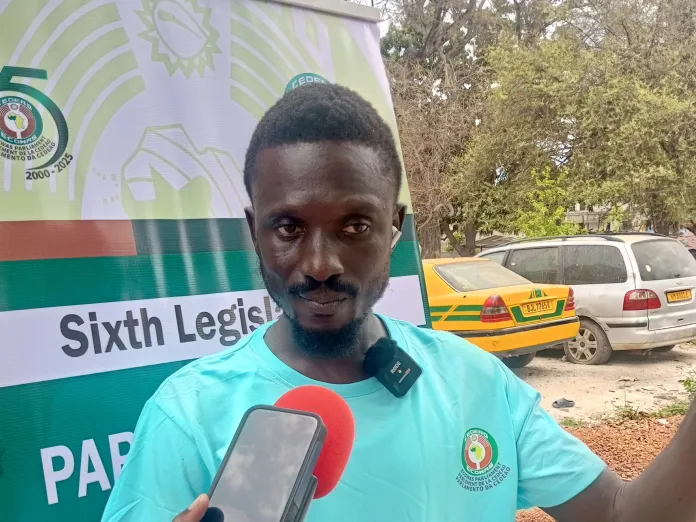
A University of The Gambia (UTG) student died after allegedly having a kidney removed without her consent while trafficked to Oman, according to Seedy Bojang, National Agency Against Trafficking in Persons (NAATIP) West Coast Region Focal Person and senior investigator. Bojang recounted the harrowing case, stating the student was informed upon arrival in Oman that a routine medical check was required for job fitness. This check, she was told, was essential to confirm her suitability and health for the promised employment. "At the hospital, she was injected and lost consciousness. When she woke up, something was wrong. Her body felt different," Bojang stated, detailing the immediate aftermath of the non-consensual procedure.
When the student questioned hospital staff about her condition and the strange sensations in her body, she was initially told she had been involved in an accident, a claim she immediately rejected. She insisted that she had been in good health before arriving at the hospital and had no memory of any accident. It was then revealed by hospital staff that her employer, who had facilitated her journey and employment, had brought her in for a medical check. Despite her protests and growing concerns about her physical state, hospital authorities subsequently arranged for her return to The Gambia. Days after her return from Oman, she began experiencing severe complications, indicative of the trauma her body had endured. "But the damage had already been done," Bojang added, noting the irreversible nature of the harm inflicted. Her case was reported to NAATIP, which immediately launched an investigation into the circumstances surrounding her trafficking and the tragic loss of her kidney. "Tragically, she died before justice could catch up with those responsible," Bojang said, showing the devastating outcome for the victim.
Deceptive Lure and Exploitation
The student had been persuaded to defer her studies at the University of The Gambia after receiving an offer for a managerial position at a hotel in Oman. This enticing offer, promising a professional career path, was presented as a significant opportunity for her future, leading her to put her academic pursuits on hold. Upon her arrival in Oman, she was informed that a routine medical check was required to confirm her fitness for the job, a common tactic used by traffickers to gain control over their victims under the guise of legitimate employment procedures. This initial step was part of a broader pattern of deception that ultimately led to her exploitation and the tragic loss of her organ. The promise of a stable, well-paying job in a foreign country often masks the sinister intentions of trafficking syndicates, who prey on individuals seeking better economic opportunities.
Broader Trafficking Landscape
This tragic incident is not an isolated case but rather symptomatic of a widespread issue. Over the past three years alone, more than 30 young Gambian women have been repatriated from Oman, having been trafficked under similar deceptive schemes. These women, like the UTG student, were lured by false promises of legitimate employment and better lives, only to find themselves in exploitative situations. Globally, an estimated 49.6 million people live in situations of modern slavery, a stark reminder of the widespread nature of this crime. In The Gambia, authorities confirmed over 49 human trafficking cases between 2023 and 2025, indicating a significant and ongoing challenge for law enforcement and humanitarian agencies.
Traffickers exploit porous borders and use deceptive tactics to lure victims not only from The Gambia but also from Nigeria, Sierra Leone, and Liberia, creating a regional network of exploitation. These syndicates often target vulnerable individuals who are desperate for economic advancement or educational opportunities. Victims are often manipulated into paying over D90,000 to traffickers, a substantial sum that further entrenches their dependency and makes escape extremely difficult. Recent operations by authorities have led to the rescue of 40 children who were being exploited by a woman now in custody alongside her husband, demonstrating the breadth of trafficking activities, which include the exploitation of minors. The rescue of these children shows the multifaceted nature of human trafficking, which preys on individuals of all ages.
Alhajie S Darboe, Brikama North National Assembly Member (NAM), stated that "The Gambia and Senegal are increasingly becoming prime targets of trafficking syndicates, largely driven by the 'backway' migration crisis." This refers to irregular migration routes, which often expose individuals to extreme dangers, including falling victim to human traffickers. The desperation associated with seeking alternative pathways to Europe or other countries makes individuals highly susceptible to the false promises of traffickers. The political and economic vulnerabilities in the region contribute significantly to the prevalence of such illicit activities, making communities and individuals more susceptible to these predatory schemes.
Investigation and Aftermath
When the student was rushed to the hospital in The Gambia due to severe complications, the case was immediately reported to the National Agency Against Trafficking in Persons (NAATIP), which subsequently launched an investigation. Seedy Bojang, NAATIP West Coast Region Focal Person and senior investigator, confirmed the investigation, noting, "When she was rushed to the hospital, the case was reported to Naatip, which launched an investigation. Tragically, she died before justice could catch up with those responsible." Her death occurred before legal proceedings could conclude, leaving her family and the agency grappling with the profound injustice. The findings of NAATIP's full investigation into this specific case have since been forwarded to The Gambia's Ministry of Justice for further action. This step is key for potential prosecution of those involved in her trafficking and the non-consensual organ removal, aiming to ensure accountability for the perpetrators and prevent future occurrences.
In a separate but related effort to combat trafficking, approximately ten young girls were intercepted by authorities before they could be trafficked to Ivory Coast. These girls had been lured with false promises of a monthly salary of D40,000, a significant sum designed to entice them into a dangerous situation, according to NAATIP. This interception notes ongoing vigilance against deceptive recruitment tactics used by trafficking syndicates and the proactive measures being taken by Gambian authorities to protect vulnerable individuals. The case of the trafficked student and these recent interceptions show the urgent need for continued international cooperation, strong law enforcement, and public awareness campaigns to combat the widespread and devastating crime of human trafficking effectively. The fight against these criminal networks requires sustained effort to protect potential victims and bring perpetrators to justice.