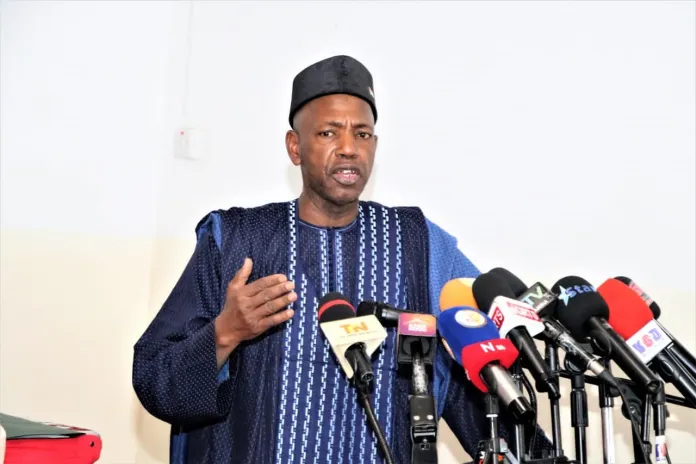
The University of The Gambia’s Centre for Sustainable Development and Policy Studies has urged the government to substitute its existing ‘blanket fuel subsidy’ with a transparent, time-bound tax waiver specifically targeting diesel. This recommendation comes amidst the current crisis, which the Centre attributes to the war in Iran. According to the Centre, implementing a tax waiver on diesel represents the most cost-effective intervention available to address the prevailing economic challenges. This targeted approach is seen as key because diesel is a primary fuel for transportation, agriculture, and power generation, directly impacting the cost of living and production across various sectors. The proposal aims to offer a more targeted and efficient approach to mitigating rising fuel costs compared to the broader subsidy system currently in place, which the Centre argues is unsustainable and less impactful.
Economic Shocks and Subsidy Costs
The Gambia's economy faces significant pressure from global events, according to Director Amadou Jallow. Fuel prices have surged by as much as 40 per cent since the war commenced in February, placing immense strain on consumers and businesses alike. This sharp increase in fuel costs has triggered over D500 million in government subsidies within a two-month period, noting the substantial fiscal burden of the current subsidy mechanism. Jallow stated that the nation confronts a "quadruple exposure" impacting oil, remittances, tourism, and food imports, creating a complex web of economic vulnerabilities. Each of these sectors is experiencing distinct pressures, exacerbating the overall economic instability.
Remittance inflows, which constitute more than 30 per cent of The Gambia's Gross Domestic Product (GDP), face considerable forward-looking risks. Jallow noted that 87 per cent of the country's $872 million in annual remittance transfers originate from war-affected economies in Europe and North America. The ongoing conflict and its economic repercussions in these regions pose a direct threat to the stability and volume of these key financial inflows, which many Gambian households rely upon. Tourism revenues are also under threat due to doubled jet fuel costs, making air travel more expensive for visitors, and a weakening of European spending power, which could reduce the number of tourists and their expenditure. The cost of fertiliser has surged significantly ahead of the upcoming planting season, adding strain to the agricultural sector and threatening food security. This increase in agricultural input costs could lead to higher food prices and reduced yields, impacting the livelihoods of smallholder farmers and the wider population.
Policy Recommendations and Fiscal Impact
The University of The Gambia's Centre for Sustainable Development and Policy Studies recommends a reassessment of the current monetary policy stance. This re-evaluation is deemed necessary to align economic strategies with the current global and domestic challenges. The think tank also advises securing fertiliser affordability for smallholder farmers, recognizing the critical role of agriculture in the national economy and food security. Additionally, the Centre suggests requesting contingency financing from the International Monetary Fund (IMF) and the World Bank. These measures are proposed as part of a broader strategy to stabilize the national economy, providing both immediate relief and a framework for sustained recovery.
The fiscal deficit target of 1 percent of Gross Domestic Product (GDP) is becoming unattainable without external support, according to the Centre. The escalating costs of fuel subsidies and the broader economic downturn are making it increasingly difficult for the government to maintain fiscal discipline. This notes the urgency of implementing the proposed policy changes and securing international financial assistance to prevent further deterioration of public finances. The Centre emphasizes that proactive engagement with international financial institutions is vital to bridge funding gaps and support essential government functions.
Under a moderate scenario, GDP growth for The Gambia could fall from the pre-war projection of 6.2 per cent to between 4.2 and 4.9 per cent. This potential decline shows the economic vulnerability and the need for proactive policy interventions to mitigate the impact of external shocks. Such a reduction in growth would have significant implications for job creation, poverty reduction, and overall development prospects. The Centre's projections serve as a stark warning, urging policymakers to act decisively to safeguard the nation's economic future.
Future Policy Dialogue
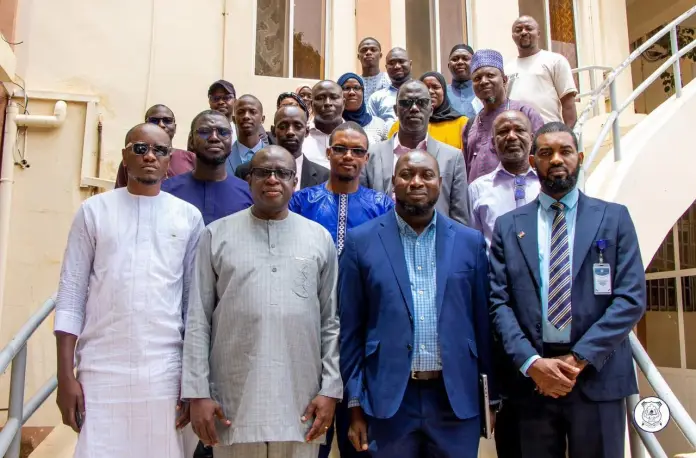
The Policy Institute plans to host a series of policy dialogues on a bimonthly basis. This initiative aims to foster ongoing discussions and analysis regarding critical economic and social issues affecting The Gambia. The structured dialogues are intended to bring together stakeholders from various sectors, including government officials, academics, civil society representatives, and private sector leaders, to contribute to policy formulation and evaluation. The consistent schedule for these events shows a commitment to sustained engagement with the challenges and opportunities facing the nation. By providing a regular forum for discussion, the Institute seeks to inform and influence future policy decisions, addressing both immediate concerns and long-term development goals. This regular engagement is expected to facilitate evidence-based policymaking and enhance transparency in governance.