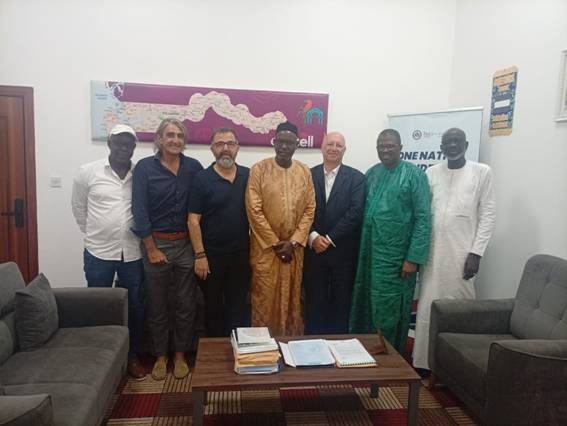
Heads of state, agriculture and finance ministers, and investors convened in Kigali on August 31 for the Africa Food Systems Forum. This significant gathering serves as a key platform for addressing the multifaceted challenges confronting food security across the African continent. The meeting addresses the pressing challenge of food insecurity across the continent, where one in five people are currently undernourished, a stark indicator of the urgent need for systemic change. Delegates are expected to discuss strategies for building resilience and transforming food systems amid ongoing crises affecting global supply chains and local production. The forum aims to foster collaborations and commitments to enhance food security and sustainable agricultural practices throughout Africa, recognizing that a holistic approach is essential for long-term stability and prosperity. The discussions are anticipated to cover a wide range of topics, from input costs and sustainable farming methods to climate adaptation and market access, all geared towards creating a more strong and equitable food system for the continent's growing population.
The Fertilizer Price Shock
The global agricultural sector has been significantly impacted by unprecedented price volatility in essential inputs. Following the closure of the Strait of Hormuz, the price of urea fertilizer doubled to more than US$850 a tonne by April, creating immense pressure on farmers and national budgets. This dramatic increase has had a cascading effect on food production costs, threatening food security in regions heavily reliant on imported fertilizers. The World Bank anticipates that fertilizer prices will average over 30 percent higher across 2026, with relief projected to arrive only in 2027. This extended period of elevated prices shows the critical need for strategies that reduce dependency on volatile global markets and promote efficient resource use. The persistent high costs necessitate innovative solutions for managing agricultural inputs, ensuring that farmers can continue to cultivate their land productively without being crippled by prohibitive expenses.
Addressing these challenges in agricultural inputs, the Alliance advisory service has demonstrated a practical approach by assisting 72,000 Ethiopian farmers in optimizing the use of existing fertilizer quantities. This initiative focuses on precision agriculture techniques and improved application methods, enabling farmers to get more from the same bag of fertilizer, thereby mitigating the impact of high prices. In parallel efforts to enhance agricultural resilience, community seedbanks in Kenya and Uganda are supporting the preservation of more than 600 varieties across 72 indigenous crop and tree species. These seedbanks play a vital role in safeguarding biodiversity, providing farmers with access to locally adapted, resilient crop varieties that are better suited to changing climatic conditions and less reliant on external inputs. Such initiatives are key for building long-term food security and reducing vulnerability to global market fluctuations.
Rethinking Subsidies for Sustainability
A paradigm shift in agricultural policy is underway across Africa, moving towards more full and sustainable approaches. The Kampala CAADP Declaration, which shifts Africa's focus from agriculture-led growth to a full agrifood systems approach, became effective on January 1. This declaration provides a framework for re-evaluating traditional agricultural support mechanisms, emphasizing the interconnectedness of food production, processing, distribution, and consumption. It signals a move away from siloed thinking towards integrated solutions that address the entire value chain. Concurrently, the Nairobi Declaration establishes a commitment from governments to reverse degradation on 30 percent of the continent’s degraded soils by 2034. This ambitious target notes the recognition that soil health is fundamental to agricultural productivity and environmental sustainability, laying the groundwork for widespread restoration efforts.
Efforts to enhance agricultural resilience and productivity are also underway through various initiatives designed to empower farmers and improve crop varieties. The Pan-Africa Bean Research Alliance has introduced over 650 improved bean varieties, benefiting more than 40 million farmers across 31 countries. These varieties are specifically developed to offer higher yields, enhanced nutritional content, and improved resistance to pests and diseases, while also being adapted to local climatic conditions. By providing farmers with access to superior seed stock, the Alliance contributes significantly to food security and nutritional outcomes. These efforts represent a strategic investment in the genetic resources that underpin agricultural production on the continent.
In Zambia, an electronic voucher system operates across all 116 districts, empowering more than a million farmers to select agricultural inputs specifically tailored to their soil types. This innovative system moves away from blanket subsidies by enabling farmers to make informed choices that align with their individual needs and local environmental conditions. The electronic voucher system promotes efficiency by ensuring that resources are directed where they are most effective, reducing waste and encouraging sustainable practices. Such targeted approaches are designed to increase efficiency and promote sustainable farming practices, ultimately leading to better yields and improved livelihoods for farmers. The system also fosters greater market responsiveness and transparency in the distribution of agricultural support, ensuring that aid reaches its intended beneficiaries effectively.
Climate Change and Food Security
The nexus between climate change and food security poses one of the most significant challenges for Africa. Four of the ten countries holding two-thirds of the world’s acute hunger are African, showing the continent's disproportionate vulnerability. Despite this, Africa possesses more of the world’s uncultivated arable land than any other continent, presenting significant potential for increased food production if managed sustainably. However, this potential is often undermined by systemic inefficiencies. Africa also loses a substantial share of what it grows before it reaches market, a factor contributing significantly to food insecurity. These post-harvest losses represent a tragic waste of resources and effort, exacerbating hunger even when initial production is adequate. Addressing this critical issue, the Kampala plan includes a specific objective to halve post-harvest losses, recognizing that reducing waste is as important as increasing production.
The connection between climate change and regional instability has also been observed, illustrating the complex interplay of environmental and social factors. In 2025, scientists traced the road from a warming climate to conflict in Nigeria and found that it runs through the food system. This notes how environmental shifts, such as changing rainfall patterns, increased temperatures, and extreme weather events, can exacerbate existing vulnerabilities, strain resources, and contribute to social unrest and conflict. The challenges show the need for integrated approaches to food security that consider both agricultural productivity and climate resilience. Efforts to mitigate post-harvest losses and adapt farming practices to changing climatic conditions are key for enhancing stability and reducing hunger across the continent. This includes investing in climate-smart agriculture, developing drought-resistant crops, improving storage facilities, and strengthening early warning systems to help communities prepare for and respond to climate-related shocks. By addressing these interconnected challenges holistically, Africa can build more resilient food systems capable of feeding its population sustainably in the face of a changing climate.