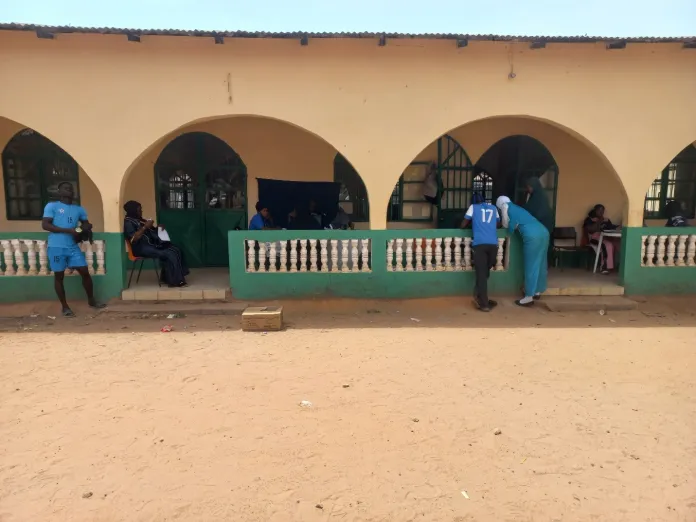
Party agents at the Bundung Mosque registration centre in the Bundung-Ka constituency have alleged attempts to register underage applicants and foreign nationals using the attestation process. The allegations centre on claims of individuals not meeting eligibility criteria attempting to register for voter cards. These claims have led to disagreements at the Bundung centre regarding the eligibility of certain applicants during the ongoing registration exercise. The disputes highlight concerns raised by political party representatives monitoring the process in the Kanifing municipality. The attestation process allows registered voters to vouch for an applicant's eligibility if they lack standard identification documents. This specific issue at the Bundung Mosque centre has become a point of contention among the various party agents present, leading to a series of confrontations regarding who should be permitted to register.
Allegations at Bundung Centre
Agents from the United Democratic Party (UDP) and APP-SOBEYA have accused supporters of the ruling National People’s Party (NPP) of attempting to register individuals they claim are ineligible. These accusations specifically allege that NPP supporters are bringing people to the centre who do not meet the legal requirements for voter registration. The allegations surfaced at the Bundung voter registration centre, where party agents monitor the ongoing exercise closely. These claims suggest an effort by NPP supporters to process applicants who do not meet the criteria for voter registration, particularly concerning age and nationality, which are fundamental requirements for electoral participation. The attestation process, which allows registered voters to vouch for applicants without standard identification, has been central to these disputes, as it relies heavily on the integrity of the attestor.
The supervisor at the Bundung centre has identified attestation as the primary challenge confronting officials managing the registration process. This method, while intended to be inclusive, has become a flashpoint for disagreements. The supervisor acknowledged the difficulties posed by this method, where the credibility of attestors and the veracity of their vouching statements become critical points of contention. The reliance on attestation, while intended to facilitate registration for those lacking formal documents, has reportedly created an avenue for potential irregularities, prompting heightened scrutiny from party agents. This ongoing issue has contributed to the disagreements observed among various party agents present at the Bundung Mosque registration centre, who are vigilant about ensuring the integrity of the voter roll. The supervisor's statement shows the complex nature of managing a registration process that balances accessibility with strict eligibility enforcement.
Registration Process and Challenges
The Independent Electoral Commission (IEC) is currently conducting a supplementary voter registration exercise in preparation for the 2026 elections. This exercise aims to update the voter roll and allow eligible citizens to register, ensuring that all qualified individuals have the opportunity to participate in future elections. The registration process has been underway at various centres across the country, including the Bundung Mosque centre, which has seen notable activity. The IEC's initiative is key for maintaining an accurate and up-to-date electoral database, which is a cornerstone of democratic processes.
Turnout at the Bundung centre has been described as strong, with a significant presence of both male and female youth participating in the registration. This strong participation notes public engagement with the electoral process and the desire of young citizens to exercise their democratic rights. However, the registration period has also been marked by challenges, particularly concerning the attestation process, which has emerged as a central point of contention. This process allows registered voters to vouch for applicants who may lack conventional identification documents, such as national IDs or birth certificates. The supervisor at the Bundung centre previously identified attestation as the primary challenge confronting officials managing the registration process due to disputes over the credibility of attestors and the veracity of their statements. The strong turnout, while indicative of public interest, has also coincided with these difficulties in verifying applicant eligibility, making the role of party agents and IEC officials particularly demanding. The high volume of applicants, coupled with the complexities of the attestation system, has created a dynamic environment at the Bundung centre.
The supplementary voter registration exercise is a critical component of the IEC's mandate to ensure free, fair, and transparent elections. Its purpose is to capture new eligible voters, including those who have reached the voting age since the last registration exercise, and to allow for corrections or updates to existing voter information. The challenges encountered at centres like Bundung Mosque show the importance of clear guidelines and strong oversight mechanisms for the attestation process. Without such measures, the system designed to be inclusive can inadvertently become a source of contention and potential abuse. The IEC faces the task of balancing the need for accessibility for all eligible citizens with the imperative of preventing fraudulent registrations.
Observations at Other Centres
Foroyaa visited three voter registration centres in the Kanifing municipality on Monday, observing varying levels of activity and different experiences compared to the Bundung Mosque centre. Low turnout was noted at both the Latrikunda Sabiji Mosque centre and the Tallinding Buffer Zone centre, indicating a more subdued pace of registration in these areas. This contrast in activity levels across different centres within the same municipality suggests varied public engagement or differing local registration dynamics.
At the Latrikunda Sabiji Mosque centre, party agents and Independent Electoral Commission (IEC) officials reported that the registration process had proceeded smoothly without major incidents. This smooth operation stands in stark contrast to the disputes reported at the Bundung centre. The queue at this centre remained below four applicants during an hour-long observation, reflecting the low turnout. During that same hour-long observation period, fewer than 20 people registered at the Latrikunda Sabiji Mosque centre, further illustrating the quiet nature of the exercise there. The centre supervisor at Latrikunda Sabiji Mosque centre indicated that some elderly applicants insisted they had never registered before, though system checks occasionally showed otherwise, noting a different kind of administrative challenge related to voter history. Turnout at the Latrikunda Sabiji Mosque centre had reportedly declined in recent days, suggesting that the initial rush of registrations may have subsided, or that the eligible population in the immediate vicinity had largely already registered.
The centre supervisor at the Tallinding Buffer Zone centre also reported low turnout. "Since we came here, applicants have only come in bit-by-bit. The low turnout could be because of the earlier groups here in Tallinding," the supervisor stated, offering a possible explanation for the reduced activity. This suggests that a significant portion of the local population might have already registered during previous phases or that the current supplementary exercise is targeting a smaller demographic in that specific area. Most applicants at the Tallinding Buffer Zone centre were women, female youths, and individuals seeking replacement voter cards, indicating specific demographic trends for registration in that locality. New applicants at the Tallinding Buffer Zone centre were predominantly female, while men made up the majority of those on the replacement list, providing a detailed breakdown of the types of individuals utilizing the services at this centre. Party agents from the National People’s Party (NPP), United Democratic Party (UDP), and APP-SOBEYA present at both the Latrikunda Sabiji and Tallinding centres confirmed that no disputes had arisen at these locations, reinforcing the idea that the contentious issues surrounding attestation and eligibility were more localized to the Bundung Mosque centre. The peaceful conduct of registration at these other centres provides a comparative perspective on the challenges faced elsewhere.