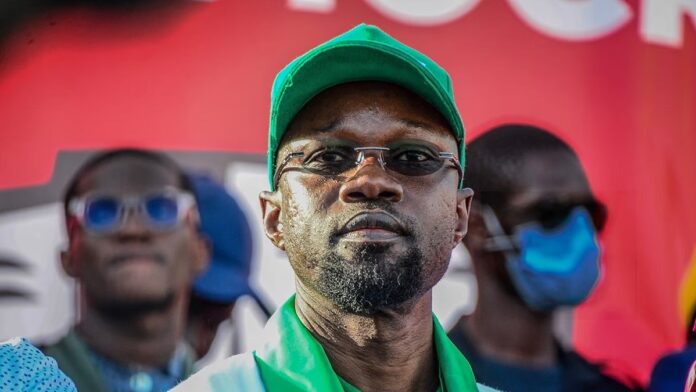
The public prosecutor at the Dakar High Court has initiated an investigation into statements attributed to Speaker Ousmane Sonko regarding Touba. This formal inquiry was ordered by the public prosecutor at the Dakar High Court following the controversial remarks. The Urban Security Unit of the Dakar Central Police Station has been tasked with conducting the inquiry, showing the seriousness with which the authorities are treating the matter. These proceedings stem from a complaint filed on July 14, 2026, by Serigne Modou Maroun Niang and Serigne Mourtalla Bousso. The complaint prompted the prosecutor's decision to launch a formal investigation into the matter, setting in motion a legal process that could have significant implications.
Details of the Complaint
In their complaint, Serigne Modou Maroun Niang and Serigne Mourtalla Bousso accused Ousmane Sonko of making specific remarks he allegedly made during the inauguration of his party’s headquarters in Mbacké. Sonko reportedly stated that “dirty money has entered the holy city of Touba.” The plaintiffs contend that these statements damaged the dignity and reputation of Touba, a city held in high esteem. They are requesting the prosecutor to summon the politician. The plaintiffs seek for Sonko to either provide evidence supporting his statements or to respond to the accusations against him, particularly those related to defamation. Specifically, the complaint notes concerns related to potential defamation arising from the remarks made about Touba, emphasizing the perceived harm to the city's standing.
Investigation Status and Immunity
Ousmane Sonko has not been invited for questioning by the Urban Security Directorate, nor have any searches been conducted against him in connection with the investigation. This indicates that as of now, direct investigative actions against the Speaker have not yet commenced. The ongoing proceedings could face obstacles due to Mr. Sonko’s parliamentary immunity. According to news outlet Seneweb, the Speaker of the National Assembly has the option to invoke this status should investigators issue a summons to him. This invocation could potentially halt or delay investigative actions, adding a layer of complexity to the legal process.
Meanwhile, investigators have proceeded with questioning key individuals involved in the complaint. Serigne Makhtar Bousso, who serves as the spokesperson for the plaintiffs, was questioned by authorities on Tuesday. His testimony forms part of the initial investigative steps being undertaken by the Urban Security Unit of the Dakar Central Police Station, as they gather preliminary evidence and statements. The investigation continues to gather information related to the remarks made about Touba, meticulously building its case. The Urban Security Unit is diligently working to piece together the sequence of events and the full context of Sonko's statements.
Context and Potential Ramifications
The investigation into Speaker Ousmane Sonko's remarks about Touba could have significant political implications in Senegal, given his prominent position. The complaint by Serigne Modou Maroun Niang and Serigne Mourtalla Bousso, alleging damage to Touba's dignity, places a prominent political figure under scrutiny for his public pronouncements. Sonko's potential invocation of parliamentary immunity, as reported by Seneweb, could introduce procedural delays and legal complexities, affecting the pace and outcome of the Urban Security Unit's inquiry. This situation notes the delicate balance between judicial process and political standing, particularly for a Speaker of the National Assembly who holds a key role in the country's legislative body. The legal process will undoubtedly be closely watched by the public and political observers. Further developments will likely shape public discourse regarding accountability and freedom of speech, especially concerning statements made by high-ranking officials. The outcome could set precedents for how similar cases are handled in the future.