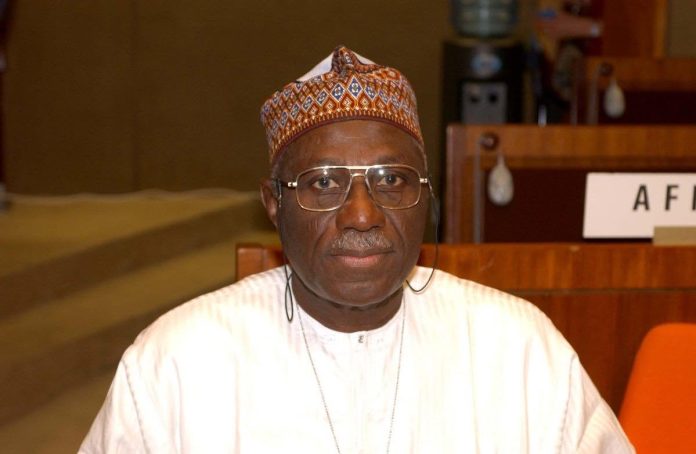
In September 1999, the author traveled to Windhoek, Namibia, for the 49th Session of the World Health Organisation (WHO) Regional Committee for Africa, an event that noted the significant role of Dr. Ebrahim Malick Samba in global health leadership. This annual gathering serves as the highest decision-making body for health in the African region, bringing together health ministers and senior officials from across the continent to discuss pressing health challenges and chart future strategies. Dr. Samba, who served as WHO Regional Director for Africa from 1995 to 2005, presided over the session, guiding deliberations on critical issues affecting the health and well-being of millions. His tenure as Regional Director positioned him at the forefront of health policy and development across the African continent during a critical decade, characterized by significant public health crises and burgeoning opportunities for progress. The 49th Session showed the collaborative efforts and strategic discussions aimed at improving public health outcomes under his leadership, reflecting a concerted drive towards better health infrastructure and disease control initiatives throughout the region. The meeting in Windhoek provided a key platform for member states to align their health priorities and foster regional cooperation, with Dr. Samba’s vision often steering the direction of these vital discussions.
A Distinguished Career in Public Health
The Gambian delegation at the 49th Session of the World Health Organisation (WHO) Regional Committee for Africa in Windhoek, Namibia, had the specific and important task of seeking support for the re-election of Dr. Ebrahim Malick Samba as WHO Regional Director for Africa. This effort by his home country noted the high regard in which he was held and the desire for his continued leadership in addressing the complex health landscape of the continent. The role of Regional Director is key, involving the coordination of health policies, the allocation of resources, and the provision of technical guidance to 46 member states in the African region. Dr. Samba's leadership in global health extended across several decades, building a formidable reputation long before he ascended to the top regional post.
His remarkable journey in public health began with significant achievements in disease eradication and control. From 1980 to 1994, Dr. Samba led the WHO Onchocerciasis Control Programme, an initiative of monumental scale and impact. This program focused on combating onchocerciasis, commonly known as river blindness, a debilitating parasitic disease prevalent in parts of Africa that causes severe visual impairment and blindness, along with intense itching and skin lesions. The disease, transmitted by blackflies that breed in fast-flowing rivers, has historically devastated communities, particularly those dependent on riverine areas for agriculture and livelihood. Under his astute direction, the program implemented full strategies for mass drug administration, utilizing effective antiparasitic medications, and strong vector control measures, including the spraying of insecticides in larval breeding sites, aiming to drastically reduce the disease's transmission and impact on affected communities. His tenure at the program was marked by significant advancements in the fight against the disease, leading to a substantial reduction in its prevalence and the prevention of millions of cases of blindness, contributing immensely to improved public health outcomes in the regions it served. These efforts established a strong foundation for his subsequent role as WHO Regional Director for Africa, where he continued to influence health policy and development across the continent, leveraging his extensive experience in managing large-scale public health interventions. His work on onchocerciasis demonstrated his capacity for strategic planning, international collaboration, and sustained commitment to improving the health of vulnerable populations.
Building Medical Education in The Gambia
During Dr. Ebrahim Malick Samba's tenure, the World Health Organisation (WHO) provided key technical and institutional support for establishing medical education initiatives in The Gambia. This support was instrumental in laying the groundwork for a strong national healthcare system, aiming to develop local capacity within the country's healthcare infrastructure and reduce reliance on foreign medical professionals. The vision was to create a sustainable pipeline of Gambian doctors and healthcare workers capable of addressing the specific health challenges faced by the nation. This long-term investment in human resources for health was a testament to Dr. Samba’s understanding that strong health systems are built on well-trained personnel.
Furthering the development of medical infrastructure and educational facilities, the Islamic Development Bank approved US$32.2 million in financing in July 2025. This substantial funding is specifically designated for the construction of a School of Medicine and Allied Health Sciences at the University of The Gambia’s Faraba Banta campus. This modern facility is envisioned to be a cornerstone of medical training in the country, providing advanced learning environments and resources for future generations of healthcare providers. The project is intended to significantly expand the nation's ability to train healthcare professionals, including doctors, nurses, pharmacists, and other allied health specialists, thereby addressing critical shortages and improving the quality of patient care nationwide. The establishment of such a full medical school is a monumental step towards achieving self-sufficiency in medical education and healthcare delivery for The Gambia.
Additionally, postgraduate medical training programmes were developed in The Gambia with support from the World Bank. These advanced programmes are vital for nurturing specialized medical expertise within the country, allowing doctors to pursue specializations in fields such as surgery, pediatrics, internal medicine, and public health. The availability of local postgraduate training is key for retaining and developing a skilled medical workforce locally, as it provides opportunities for continuous professional development without the necessity of seeking training abroad, which often leads to brain drain. These initiatives collectively represent a strategic investment in The Gambia's future health, ensuring that the country can produce, train, and retain its own medical talent, thereby strengthening its health system from within.
The Challenge of Retaining Healthcare Talent
Dr. Ebrahim Malick Samba's international contribution to global health, particularly in Africa, deserves to be better remembered and celebrated within his home country, The Gambia. His legacy extends beyond specific programs to the very foundations of health system development and medical education that continue to benefit the nation. The Gambia's medical education system, nurtured by early support and ongoing investment, has indeed produced highly competent professionals. For instance, Dr. Mustapha Bittaye, who now heads the prestigious Edward Francis Small Teaching Hospital, is a direct product of The Gambia's evolving medical education system, embodying the success of these capacity-building efforts. His leadership at such a critical institution demonstrates the caliber of talent being cultivated domestically.
However, the challenge of retaining trained doctors and specialists in The Gambia remains a significant hurdle. It requires more than just competitive salaries; it also necessitates a full approach that addresses the multifaceted needs of healthcare professionals. This includes ensuring the availability of functioning hospitals equipped with modern medical technology and appropriate equipment, which are essential for effective medical practice. Opportunities for further training and continuous professional development are key for doctors to stay updated with advancements in medicine and to specialize in their chosen fields. Professional recognition and fair promotion systems are equally important for career progression and morale, ensuring that dedication and skill are duly rewarded. Lastly, good working conditions, encompassing reasonable workloads, supportive environments, and access to necessary resources, are critical for creating a sustainable and attractive medical profession. The long-term responsibility for maintaining and retaining the health workforce ultimately rests with the Gambian state, which must implement and sustain policies that foster an environment where healthcare professionals can thrive, providing high-quality care to their fellow citizens for years to come. Recognizing and building upon the foundational work of figures like Dr. Samba is key to this ongoing endeavor.