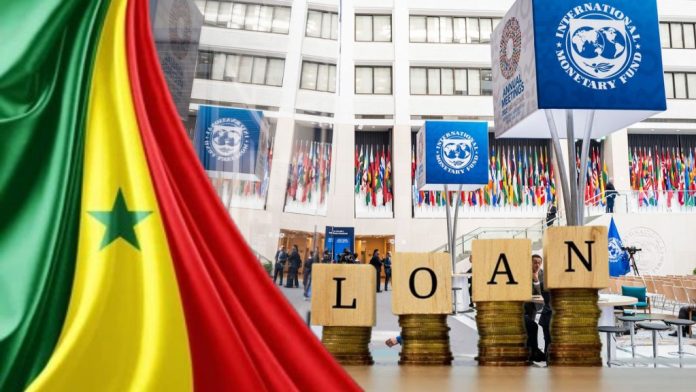
Senegal has secured a staff-level agreement with the International Monetary Fund for a US$2.2 billion, three-year lending programme. The agreement marks a significant development for the West African nation, which has been grappling with economic challenges. This substantial financial package aims to support Senegal's ongoing reform efforts and help stabilize its economy. The financial support is particularly critical as the country navigates a complex economic landscape. This arrangement with the IMF is intended to provide key liquidity and reinforce the country's fiscal position over the medium term, offering a much-needed boost to its financial stability.
Debt Crisis Uncovered
The Senegalese government is currently working to restore its debt sustainability following the discovery of over US$11 billion in previously misreported borrowing. This substantial amount of undisclosed debt complicated the nation's financial outlook, necessitating urgent corrective measures. The revelation of such a significant hidden liability raised concerns among international creditors and financial institutions about the country's fiscal transparency and management practices.
The scale of the undisclosed debt prompted the International Monetary Fund (IMF) to freeze a prior US$1.8 billion programme with Senegal. The suspension occurred when the extent of the misreported borrowing became apparent, impacting the country's access to international financing. This decision by the IMF showed the gravity of the debt situation and noted the critical need for greater transparency in fiscal reporting to regain confidence from international creditors and ensure sustainable economic management. The freeze on the previous programme demonstrated the international community's serious concerns regarding the accuracy of Senegal's financial disclosures.
Path to Sustainability
Planned reforms for Senegal include strengthening debt management practices, enhancing fiscal transparency, and implementing changes to public spending. These measures are designed to address the issues that led to the discovery of previously misreported borrowing and to put the nation on a more sustainable financial trajectory. The International Monetary Fund's programme supports these efforts to improve economic governance, which are deemed essential for long-term stability and growth. The full nature of these reforms aims to prevent future occurrences of misreported debt and to build a more strong financial framework for the country.
Further supporting Senegal's path to sustainability is its new oil and gas production. These emerging natural resource revenues are expected to provide a significant boost to the national budget, offering a new stream of income that can help finance development initiatives and contribute to debt reduction strategies. This development is seen as key for the country's long-term economic stability, providing an independent source of revenue that can lessen reliance on external borrowing and aid in achieving fiscal targets. The prospect of these revenues offers a hopeful outlook for the nation's financial future.
Political and Economic Landscape
Senegal’s public debt reached approximately 132% of its Gross Domestic Product by the end of 2024, a figure that notes the severe financial pressure on the West African nation. Some estimates indicate the hidden borrowing is closer to US$13 billion, an amount equivalent to more than a quarter of the country’s roughly US$40 billion economy. This economic backdrop has significantly influenced the political landscape. Former prime minister Ousmane Sonko previously opposed an International Monetary Fund-led debt restructuring during his time in government, reflecting divergent views on economic policy within the political sphere. Sonko now serves as president of the National Assembly, having left the government. The substantial debt figures show the financial challenges facing the West African nation as it moves forward with the new IMF programme, emphasizing the urgency and importance of the agreed-upon reforms.
Next Steps for Approval
The staff-level agreement between Senegal and the International Monetary Fund still requires formal approval. This finalization depends on reviews by IMF management, followed by a decision from its Executive Board. This key step will formally endorse the US$2.2 billion, three-year lending programme, allowing the disbursement of funds to commence. The approval process is a standard procedure that ensures all conditions and requirements are met before the financial assistance can be fully implemented, marking the official start of the programme.