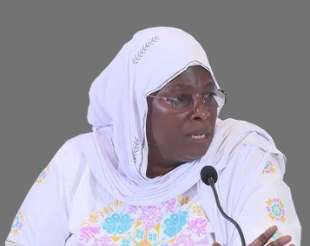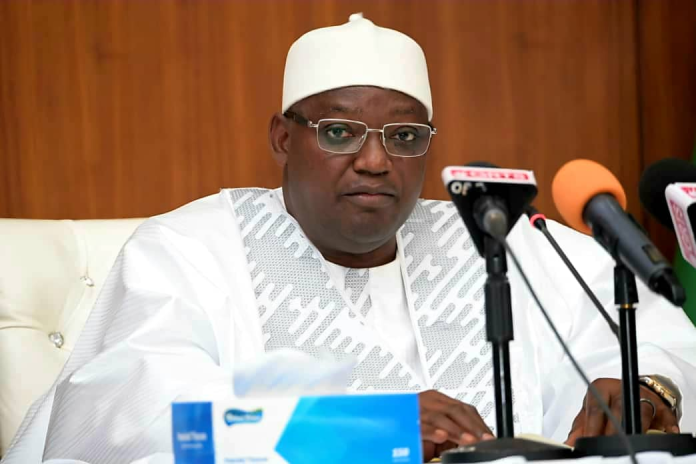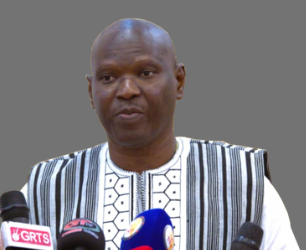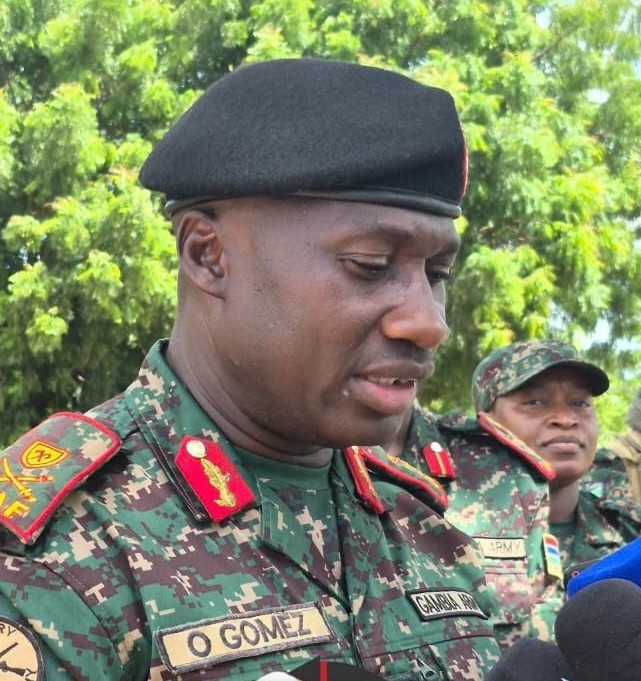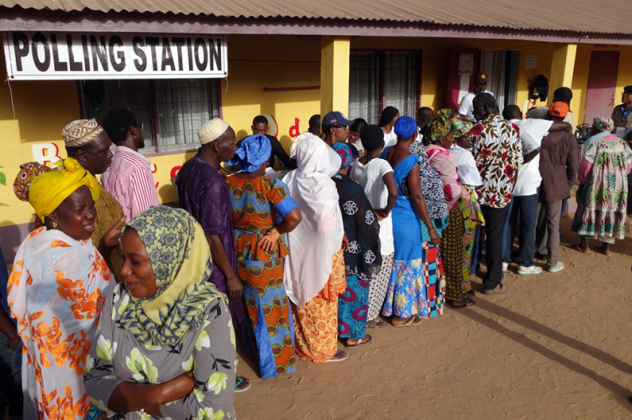
The Voices for Peace Forum convened in The Gambia yesterday, bringing together key stakeholders to discuss concerns regarding democracy and the nation's upcoming presidential election on December 5. This key gathering was specifically designed to analyze the democratic landscape ahead of the polls, which will see Gambians elect their next president. Representatives from a broad spectrum of sectors participated in the forum, showing the collective effort required for electoral stability. These included state institutions, political parties, security agencies, election management bodies, civil society organisations, the media, and regional institutions. The diverse participation noted the forum's full approach to addressing potential challenges and fostering a peaceful electoral environment.
Project Background and Goals
The three-day forum is being held under the European Union-funded Electoral Violence Monitoring, Analysis and Mitigation (E-MAM) Project. This significant initiative is implemented by the West Africa Network for Peacebuilding (WANEP) across 12 West African countries, reflecting a regional commitment to democratic stability. Platforms such as the Voices for Peace Forum are instrumental in identifying potential threats to the electoral process and strengthening preventive measures ahead of elections. The project's overarching goal is to contribute to the peaceful conduct of elections by fostering dialogue, building consensus, and developing strategies to mitigate risks before they escalate. By bringing together diverse voices, the forum aims to create a strong framework for electoral integrity and peace.
Democratic Progress and Risks
The Gambia has achieved significant progress since 2016 in restoring democratic norms, fundamental freedoms, and public trust in its electoral process. This period has been marked by a renewed commitment to democratic principles following years of authoritarian rule. Despite these advancements, regional experience indicates that elections can become sources of tension and violence if early warning signs are ignored or not adequately addressed. The sub-region's history provides numerous examples where electoral processes, if not carefully managed, can lead to instability and conflict.
Drawing on the sub-region's history can significantly strengthen The Gambia’s understanding of electoral risks. This regional experience can also help improve national strategies for preventing and mitigating potential conflicts by learning from both successes and failures elsewhere. Peaceful elections rely not solely on established laws and institutions but also on the prevailing political environment. This includes the broader societal context, the level of political maturity, and the commitment of all actors to democratic principles. Responsible leadership is key, alongside the ability of various stakeholders to prevent tensions from escalating into conflict. The forum aims to address these multifaceted factors, including the political climate and the conduct of leaders, to ensure a peaceful electoral period. The discussions emphasize that a truly peaceful election is a product of continuous vigilance and proactive engagement from all segments of society.
Stakeholder Commitments and Calls
Abubacarr Sulayman Jeng, The Gambia’s national security adviser, provided assurances to Gambians regarding the dedication of the nation’s defence and security apparatus. Mr. Jeng affirmed their unwavering commitment to ensuring a peaceful and violence-free election ahead of the December 5 polls. His statement was delivered by Assan Jaiteh of the National Security Office during the forum proceedings, showing the government's resolve to maintain order and security throughout the electoral cycle. This commitment from the security sector is considered a cornerstone for building public confidence in the electoral process.
Participants at the forum are tasked with a full examination of concerns and emerging risks associated with the electoral process. This includes identifying practical measures key for early warning, prevention, and mitigation of potential issues that could disrupt the election. The discussions aim to foster proactive strategies to safeguard electoral integrity and stability, ensuring that any challenges are identified and addressed long before they become critical. The forum serves as a critical platform for identifying vulnerabilities and collaboratively developing solutions that are tailored to The Gambia's unique context.
Achieving peaceful elections, according to forum discussions, necessitates a multifaceted approach. This approach emphasizes the importance of collective responsibility among all stakeholders, recognizing that no single entity can guarantee peace alone. It also notes the need for effective coordination between various actors involved in the electoral process, from political parties and civil society to security forces and election management bodies. Building and maintaining trust among political entities, security forces, and the public is considered essential, as distrust can quickly erode the foundations of a peaceful election. Clear and consistent communication channels are also deemed vital for transparency and de-escalation, preventing misinformation and rumors from fueling tensions. Ultimately, responsible leadership from all quarters — political, civil, and security — is identified as a critical component for ensuring a tranquil electoral period in The Gambia. The outcomes of the forum are expected to provide a roadmap for collaborative action, ensuring that the upcoming presidential election on December 5 is conducted in an atmosphere of peace and respect for democratic principles.