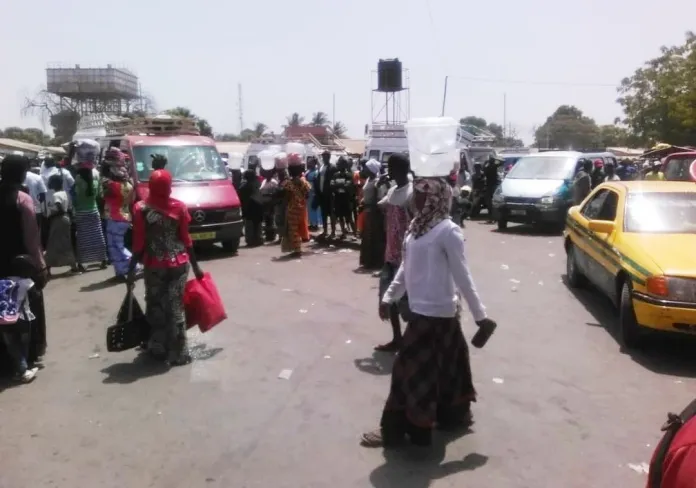
Travelers in the Greater Banjul Area and the wider West Coast Region encountered significantly increased transportation costs during the recent Tobaski travel rush hour, with drivers charging double the standard fares. This widespread practice meant that commuters, eager to reach their destinations for the religious observance, found themselves compelled to pay significantly higher prices for essential transport services. The fare hikes affected numerous commuters seeking to travel for the religious holiday, creating considerable financial strain. Commuters voiced strong condemnation regarding the perceived absence of regulation and enforcement concerning transport fares, particularly during peak travel periods. Many expressed profound frustration at the lack of official oversight that allowed drivers to exploit the high demand without consequence. The situation noted ongoing concerns about fare control within the public transport sector across the region, raising questions about the effectiveness of existing regulatory frameworks.
Routes See Exorbitant Fare Increases
Drivers operating on key routes such as Brikama-Westfield and Foni extensively increased transport fares during the Tobaski travel period. The fare hikes affected numerous commuters traveling between these areas, making holiday travel more burdensome. Many drivers also demanded double the standard fares, even for shorter destinations that typically incur lower costs, further exacerbating the financial burden on travelers. This practice was widespread across various routes as travelers sought to reach their hometowns for the religious holiday, indicating a systemic issue rather than isolated incidents. The significant increases were observed across the entire public transport network, from long-haul inter-city routes to local journeys within urban centers.
At Bundung Garage, a central transport hub and a critical point for many travelers heading upcountry, drivers charged Tobaski travelers up to D1,500.00 for journeys to Basse. This figure represents a significant escalation from typical fares, reflecting the increased demand during the festive period and the willingness of some operators to capitalize on it. The practice of doubling fares for short distances further compounded the financial burden on commuters, who often had to pay inflated prices for even brief trips. The observed fare increases contributed to widespread frustration among those dependent on public transport for holiday travel, leaving many feeling exploited and without recourse.
Drivers Cite Costs, Demand High
Drivers and operators significantly inflated fares, often charging double or triple the standard tariff, a practice that drew widespread criticism from the traveling public. For instance, the fare from Brikama to Foni Bwiam, which typically stood at D100.00, increased dramatically to D200.00 during Tobaski, with some drivers even demanding D250.00. Drivers attributed these fare increases to several factors, including rising inflation, the soaring cost of spare parts, and general maintenance expenses for their vehicles. They also cited the challenge of empty return trips, which they claimed necessitated higher charges for outbound journeys to compensate for potential losses. Commercial driver Abdoulie Cham acknowledged that some of his colleagues were excessively charging passengers due to the high demand for transport during the holiday period. Cham's statement noted the opportunistic pricing strategies employed by some drivers in response to the increased travel volume, confirming the widespread nature of the fare inflation. He further admitted that the intense demand created an environment where such practices became common, despite official guidelines.
Government Caps and Enforcement Gaps
Unauthorized transport fare hikes by drivers and commercial transport operators have led to travelers being exploited, particularly during peak periods like Tobaski. Passengers were observed engaging in negotiations with drivers to reduce the elevated fares, a common sight during this period as commuters attempted to mitigate the financial impact of the price surges. The Ministry of Transport had previously set a maximum fare increase, capping it at D5 for routes within the Greater Banjul Area and D15 for journeys to Foni. These caps were intended to protect consumers from excessive charges, especially during high-demand periods. Despite these government-mandated limits, many drivers implemented increases significantly beyond these caps, prompting the on-the-spot negotiations from travelers who felt they had no other option. The widespread nature of these unauthorized hikes points to challenges in enforcing the established fare structure, suggesting a gap between policy and practical implementation. The lack of effective enforcement mechanisms allowed drivers to disregard the official fare structure with apparent impunity, leaving commuters vulnerable to exploitation.