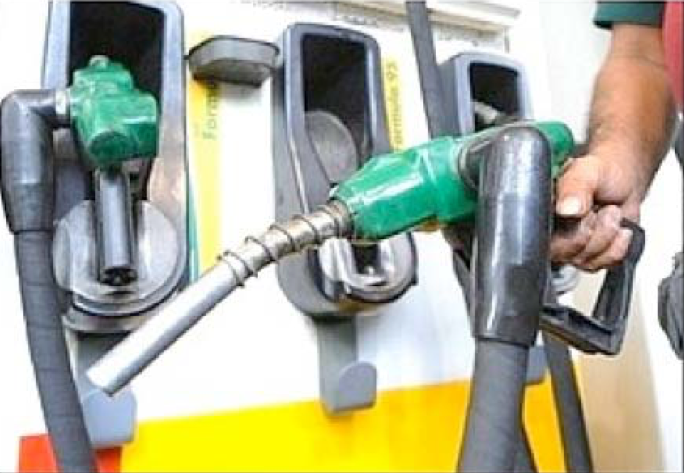
Fuel prices in The Gambia recently increased from ninety-eight dalasis per liter to one hundred and twelve dalasis per liter, contributing to a broader economic concern. This significant rise has prompted widespread fears regarding the escalating cost of essential goods across the nation, directly impacting the daily lives of countless citizens. Observers report that the prices of rice, cooking oil, sugar, and other staple foods continue to climb following the fuel adjustment, creating an immediate and palpable strain on household budgets. This inflationary pressure is not merely an abstract economic indicator; it translates into real hardship for families struggling to afford basic necessities. The ripple effect of higher fuel costs is proving to be broad, permeating every sector of the Gambian economy.
Economic Fallout on Citizens
Transport fares have surged by as much as fifty percent in many parts of The Gambia following the recent fuel price increase. This substantial rise is impacting citizens directly, particularly those reliant on public transport for their daily commutes, school runs, and access to essential services. The financial burden on individuals and families is becoming increasingly unsustainable. The informal sector, which includes small-scale traders, taxi drivers, farmers, and artisans, is experiencing a sharp increase in operational costs, reportedly without a corresponding increase in income to offset these new expenses. This disparity threatens the viability of countless small businesses and individual livelihoods that form the backbone of the Gambian economy. The struggle to maintain profitability in the face of escalating expenditures is a critical challenge for this vital segment of the workforce.
The cost of essential goods continues to climb, with the price of cement, a key construction material, steadily rising across the country. This affects not only large-scale development projects but also individual home builders and small contractors, further hindering economic activity. Farmers, a significant portion of the informal sector, are also directly affected by the fuel hike. They depend on fuel not only for the transportation of their produce to markets, often located far from their farms, but also for irrigation systems, which are essential for crop growth, and various processing activities necessary for their livelihoods. The added expense for these critical farming operations directly impacts food security and the income of agricultural workers. These escalating costs contribute to broader inflationary pressures, which are eroding the purchasing power of the dalasi and diminishing the quality of life for many Gambians.
Urgent Governance Interventions
The government must consider introducing targeted subsidies for public transportation, staple foods, and agricultural inputs, according to calls from various sectors. Such measures are vital to cushion the immediate impact of rising prices on the most vulnerable populations and to ensure access to basic necessities. A full review of wage structures and the establishment of a national minimum wage are also urgently needed. This would provide a necessary floor for incomes, ensuring that workers are not left behind as the cost of living continues to escalate. These measures aim to alleviate the financial burden on citizens impacted by rising costs, offering a tangible response to their economic struggles. The current economic climate demands proactive and compassionate governance.
Engagement with foreign companies operating in The Gambia is also being suggested to encourage the employment of Gambians, investment in local capacity building, and the implementation of fair wage practices. This initiative seeks to ensure that economic development benefits the local workforce directly, fostering sustainable growth rather than mere extraction of resources. Additionally, social protection programs require expansion and strengthening. This includes cash transfer initiatives, which provide direct financial aid; food assistance programs, key for combating hunger; and community-based support systems, which can offer localized relief and empowerment. These programs are key for cushioning the impact of inflationary pressures on vulnerable populations, acting as a safety net during challenging economic times.
Pathways to Resilience
The government must clearly articulate the reasons behind the fuel price increase, the expected duration of its impact, and the measures being taken to mitigate its effects. This transparency is seen as essential for public understanding and trust, allowing citizens to plan and adapt more effectively. Without clear communication, speculation and anxiety can exacerbate the economic strain. Investment in alternative energy sources, such as solar energy, should also be accelerated to reduce reliance on fossil fuels and stabilize energy costs in the long term. This strategic shift could offer more sustainable solutions for the nation's energy needs, lessening its susceptibility to global price fluctuations. Civil society and community leaders serve as vital bridges between the government and the populace, playing a key role in disseminating information and gathering feedback on the economic situation. Their involvement is considered key to fostering collective resilience amidst rising prices, ensuring that policies are informed by the realities on the ground.
Call for Reform and Transparency
The increase in fuel prices serves as a stark reminder of the interconnectedness of economic systems and the fragility of livelihoods in the face of sudden shocks. This situation shows how global commodity price movements can have profound local consequences, particularly in import-dependent economies. The current situation presents an opportunity for introspection and reform within The Gambia's economic framework, pushing for a more strong and equitable system. This moment calls for a re-evaluation of national policies and mechanisms to better withstand external pressures and protect citizens from economic volatility. It shows the necessity of strong, transparent governance to ensure long-term stability and equitable development across all sectors, safeguarding the well-being of every Gambian. The path forward demands not just immediate relief, but also strategic foresight and a commitment to systemic improvements.