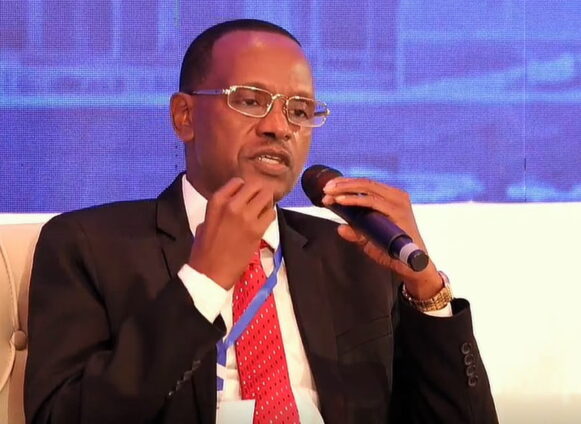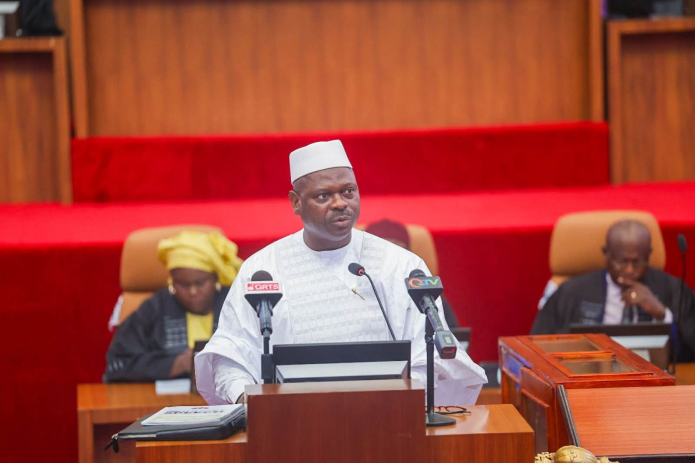
Finance Minister Seedy Keita delivered the 2027 budget speech on 23 October 2026, outlining the Gambian government’s recent fiscal interventions. Addressing the national legislature, he detailed fuel support measures enacted earlier this year. "To cushion the impact of the price increase, the Government has provided subsidy amounting to GMD 42.46 million for petrol and GMD 785.13 million for diesel between March and September 2026," Finance Minister Seedy Keita stated. These disbursements represent a direct effort to stabilize energy costs during a period of ongoing economic development. The government continues to monitor budgetary performance as it balances these expenditures against revenue targets for the upcoming year.
Fuel Price Mitigation Efforts
Domestic retail prices for fuel products underwent significant adjustments during the same observation period. Official data indicates that the retail price for petrol rose by 33.1% between March and September 2026. During these same months, the cost of diesel experienced a steeper increase, climbing by 41.8%. These figures reflect the shifting market conditions that necessitated the government intervention measures announced by Finance Minister Seedy Keita. Consumers and businesses across The Gambia faced these higher costs at the pump as the national economy continued to expand. The government maintains that these price movements were the primary factor driving the substantial subsidy disbursements allocated to the energy sector throughout the specified months of 2026.
Economic Performance and Revenue
Inflation in The Gambia followed a fluctuating trend throughout the third quarter of 2026. Data shows the rate rebounded to 6.5% in August 2026. This indicator subsequently declined to 6.1% in September 2026.
Fiscal performance remained a primary focus for government authorities during the same period. Records show that domestic revenue collection reached D20.27 billion by the end of August 2026. These figures provide a baseline for assessing the state of the national economy as officials balance the costs of energy sector subsidies against broader financial inflows.
Debt Levels and Growth
The Gambia's total public debt reached D140.3 billion, equivalent to US$ 1.99 billion, by the end of December 2025. This figure reflects the national financial position recorded prior to the fiscal interventions enacted throughout 2026.
Economic output for the current year shows expansion, with real GDP growth estimated at 5.6% for 2026. This growth rate serves as a key metric for government officials as they manage the impact of fuel subsidies and other budgetary pressures on the national economy.
Looking toward the next fiscal year, the government has set a target for the overall fiscal deficit. Authorities plan to limit this deficit to 1% of GDP in 2027 for all funds. Achieving this objective requires balancing the ongoing costs associated with energy sector support against total revenue inflows.