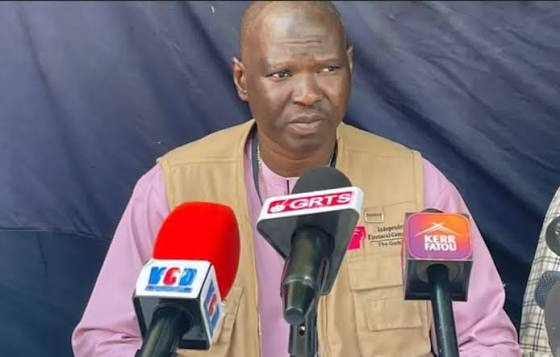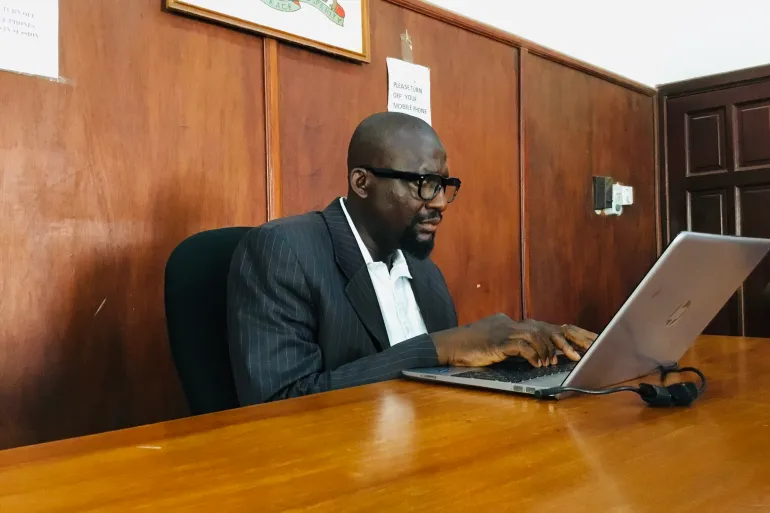
Muhammed Krubally became the first visually impaired magistrate in The Gambia in 2016. His historic appointment marked a significant shift in the nation’s legal landscape, signaling a new era for judicial representation. Since joining the bench, he has presided over more than 1,000 civil and criminal cases. This extensive workload has allowed him to directly influence the administration of justice within the country. Reflecting on his appointment and the broader mission of judicial reform, Muhammed Krubally stated, "I became a magistrate to change the system, to make it inclusive." Regarding his daily responsibilities, he noted, "This makes my job very easy." Musa Barrow, a lecturer, observed, "I can do more than what sighted people can do." Muhammed Krubally emphasized his vision for the future, declaring, "I want to see a world for all; inclusion matters." He concluded his assessment of his role and the judicial environment by stating, "All I see is possibility."
Legislative Progress and Reality
The Gambia's Persons with Disabilities Act was passed in 2021, establishing a legal framework aimed at protecting the rights of disabled citizens. This legislative milestone was intended to provide strong protections and ensure greater accessibility across various sectors of society. Despite this legislative development, the practical impact of the act remains a point of contention for local advocates who monitor the day-to-day lives of the citizens it serves. Lamin Colley, the head of school at the GOVI Resource Centre for the Blind, stated, "The reality on the ground is that not much has changed after the disability act has been passed."
Data from the 2013 Population and Housing Census provides the foundational statistics regarding the community the legislation intends to support. That census recorded a disability prevalence of 1.2 percent, representing 21,873 people across the country. This statistical baseline helps illustrate the scale of the population that faces systemic hurdles in their daily lives. Parliamentarian Ndey Yassin Secka-Sallah reflected on the challenges these individuals continue to face, noting, "I would have loved to be independent, without depending on people for help."
Educational opportunities for younger members of this demographic are managed by specialized institutions. The GOVI Resource Centre for the Blind currently provides specialist education for 49 pupils aged between four and 14. These facilities work to integrate children into the educational system, offering tailored support that is essential for their development. While these institutions provide a vital service, the broader socioeconomic environment described by advocates suggests that institutional gaps persist despite the existence of the 2021 act. The ongoing work of educators and advocates remains focused on bridging the divide between the legal promises made in the capital and the lived experiences of citizens in communities across The Gambia.