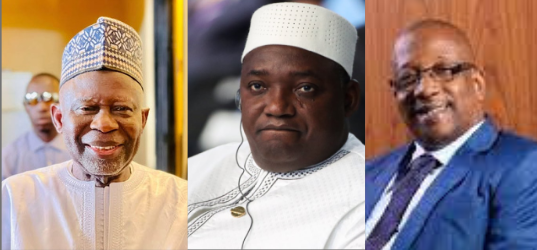
The Gambia is preparing for a presidential election scheduled for December 5, 2026, where the political landscape indicates a significant shift in voter behaviour. Electoral allegiance among Gambian voters has become increasingly transactional, issue-based, and performance-driven, moving away from historical loyalties. This dynamic suggests that power in modern Gambia is increasingly rented from the people rather than being a permanent possession of politicians. The changing nature of voter engagement means that no single party can rely on past support to secure a victory in the upcoming polls. The Gambian voter is demonstrably no longer captive to historical loyalty, a trend that is reshaping how political campaigns are conceived and executed. This evolution in voter behaviour compels all political entities to adapt their strategies to address contemporary concerns and demonstrate tangible results.
Electoral Landscape Shifts
The electoral performance of key figures demonstrates shifts in voter preferences over recent cycles. In the 2016 presidential election, Adama Barrow secured approximately 43.29 percent of the vote, while Yahya Jammeh received 39.64 percent, and Mama Kandeh captured over 17 percent. This outcome preceded a significant change in the country's leadership, marking a key moment in Gambian political history. The results showed a growing desire for change among the electorate.
By the 2021 presidential election, President Barrow, campaigning under the National People’s Party (NPP), won with 53.23 percent of the vote, indicating an increase in his support base. In the same election, Ousainu Darboe of the United Democratic Party (UDP) received 27.72 percent, positioning him as the primary challenger and solidifying his party's role as the leading opposition force. Mama Kandeh's share of the vote decreased to 12.32 percent in the 2021 election, reflecting a shift in support among his base. The 2021 election also saw a high level of civic engagement, with voter turnout surpassing 89 percent, indicating a strong and active electorate keenly interested in the nation's future. This high turnout further emphasizes the performance-driven nature of Gambian politics, where citizens actively participate in shaping their leadership.
Party Strengths and Weaknesses
The ruling National People’s Party (NPP) approaches the 2026 election holding several structural advantages, including the benefits of incumbency, national visibility, strong coalition networks, and extensive administrative reach, particularly in rural areas. These inherent advantages provide the NPP with a strong foundation for its campaign efforts. The party's ability to penetrate rural areas gives it a significant edge in mobilizing support across diverse geographical regions. However, the current administration faces persistent criticisms regarding economic hardship, specifically inflationary pressures, high youth unemployment, currency depreciation, and the escalating cost of basic commodities. These economic challenges represent significant hurdles for the NPP, as they directly impact the daily lives of citizens and could influence voter sentiment. Addressing these concerns effectively will be key for the ruling party to maintain its appeal.
The United Democratic Party (UDP) maintains a strong institutional organization but is perceived to suffer from political rigidity. The party requires renewal in its communication style, strategies for youth engagement, and its overall digital presence to broaden its appeal beyond its traditional base. Overcoming this rigidity and adapting to modern campaign techniques will be essential for the UDP to mount a formidable challenge. Similarly, the Gambia Democratic Congress (GDC), led by Mama Kandeh, demonstrates an ability to retain grassroots support, indicating a loyal segment of the electorate. To effectively challenge in the upcoming election, the GDC needs to articulate a deeper policy sophistication beyond its current base, offering more full solutions to national issues. The political landscape is also experiencing the emergence of younger activists, civic protesters, independent reform voices, and unconventional political entrants. This trend reflects a widening frustration with traditional political structures and existing parties, signaling a demand for fresh perspectives and innovative approaches to governance. These new actors could potentially disrupt established political dynamics and draw support from disaffected voters.
Voter Priorities and Blocs
Approximately 57 percent of registered voters in 2021 were between 18 and 35 years old, indicating a significant youth demographic in the Gambian electorate. This substantial segment of young voters typically prioritizes issues such as employment opportunities, access to digital resources, and overall affordability of living. Their concerns also extend to the credibility of governance, quality of education, and the achievement of practical aspirations, reflecting a desire for tangible progress and accountability from their leaders. Political parties aiming to secure victory in 2026 must develop full strategies to address the specific needs and expectations of this key demographic, as their collective vote can significantly sway election outcomes.
For the 2026 election, three broad electoral blocs are anticipated to shape the political contest. The first is an incumbent continuity bloc, comprising voters who support the existing administration and its policies, valuing stability and ongoing projects. A second bloc is the traditional opposition reform bloc, which consists of those aligned with established opposition parties advocating for change, often driven by a desire for improved governance and accountability. The third bloc is an emerging disruption bloc, representing voters who are drawn to newer political movements or independent candidates seeking more radical shifts in leadership and governance, often fueled by dissatisfaction with the status quo and a yearning for transformative change. Understanding the motivations and priorities of these distinct blocs will be key for all contenders as they strategize for the upcoming presidential election.