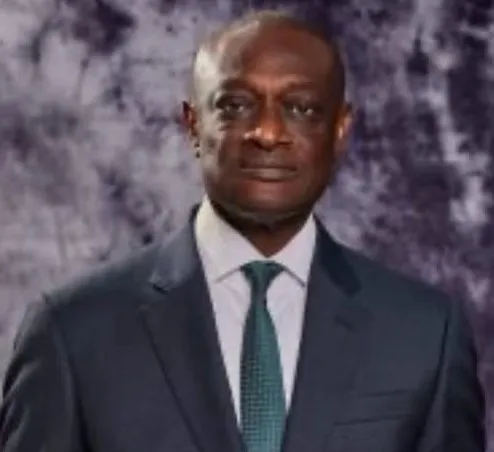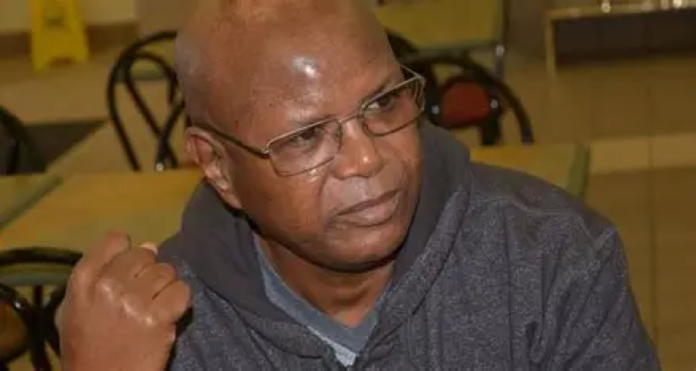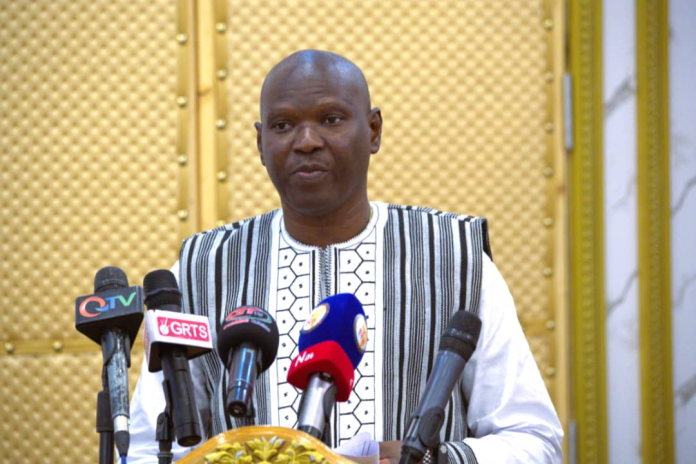
Joseph Colley, Chairman of The Gambia's Independent Electoral Commission (IEC), affirmed the body's autonomy during preparations for upcoming elections, stating it operates free from external influence. Mr. Colley declared the Commission's unwavering commitment to conducting credible, free, fair, transparent, and inclusive elections. "I pledge that the commission is adhering to its motto, to conduct free, fair, transparent, credible, and inclusive elections," he said, emphasizing that the Commission is not under any external influence in its mandate. The assertion comes as the IEC continues its vital work in overseeing electoral processes in the country, ensuring the integrity of the democratic system.
IEC's Mandate and Independence
Chairman Colley delivered his remarks during the official launch of the National Election Response Group (NERG) at Bakadaji Hotel. The Independent Electoral Commission (IEC) holds a constitutional and legal responsibility to ensure that all eligible Gambians are enfranchised. This mandate extends to managing all processes related to procuring and protecting the franchise, ensuring they are conducted openly and transparently in accordance with the law. The IEC’s commitment involves upholding these legal obligations throughout the electoral cycle, from voter registration to the final declaration of results. Mr. Colley reiterated that the IEC's operations are guided solely by its constitutional mandate and the laws of The Gambia, reinforcing its independent stance.
New Election Violence Response Group
The Gambia is preparing for its presidential election scheduled for December 5, 2026. In anticipation of the upcoming electoral cycle, the National Election Response Group (NERG) has been established. Its primary objective is to discuss, develop, and recommend response strategies to address potential violent threats associated with the 2026-2027 elections in the country. This proactive approach aims to safeguard the electoral process from disruptions and ensure a peaceful transition of power.
The operationalization of the NERG group is being led by WANEP-The Gambia. The group comprises eminent representatives drawn from various relevant state and non-state institutions, indicating a broad-based approach to election security. This multi-stakeholder composition is designed to bring diverse perspectives and expertise to the table, fostering full strategies. The NERG is designed to complement the Gambian Government’s existing efforts. Its key role includes contributing to the prevention, mitigation, and timely response to electoral violence, specifically before, during, and after the elections. This initiative aims to foster a more stable environment for the electoral process, thereby enhancing public confidence in the democratic system. The establishment of NERG shows a national commitment to ensuring that the upcoming elections are not only free and fair but also peaceful and secure for all citizens.
International Support and Regional Efforts
The National Election Response Group initiative is part of the Electoral Violence Monitoring, Analysis and Mitigation (E-MAM) project, which receives funding from the European Union. The E-MAM project aims to contribute to the mitigation of electoral violence by implementing prevention and mitigation mechanisms across twelve West African countries. These nations include Benin, Burkina Faso, Côte d’Ivoire, The Gambia, Ghana, Guinea, Guinea-Bissau, Liberia, Mali, Niger, Senegal, and Togo. The full scope of the E-MAM project notes a regional commitment to fostering peaceful and democratic elections across West Africa.
The European Union Ambassador to The Gambia stated that the EU is proud to support The Gambia’s democratic process and its efforts to ensure peaceful, credible, and inclusive elections. This support reflects the EU's broader commitment to strengthening democratic governance and stability in the region. Mrs. Levinia Addae Mensah, WANEP’s regional executive director, remarked that the event marked an important milestone for her organization and the collective efforts to safeguard peace, strengthen democratic governance, and promote peaceful electoral processes in The Gambia. Mrs. Addae Mensah added, "At WANEP, our belief is that the true measure of democracy not simply whether elections are held, but whether they are conducted in a manner that inspires confidence, protects rights, respects institutions and preserves peace." Her statement shows the critical importance of the entire electoral ecosystem, beyond just the act of voting. Sering Mamadou Ka, Head of the Electoral Assistance Division at Ecowas, noted that the meeting represents a tradition fulfilled with WANEP every time an election occurs in a member country, emphasizing the ongoing collaboration and shared commitment to electoral integrity and peace in the West African sub-region. This consistent engagement from regional bodies further reinforces the importance placed on peaceful and credible elections in The Gambia and beyond.