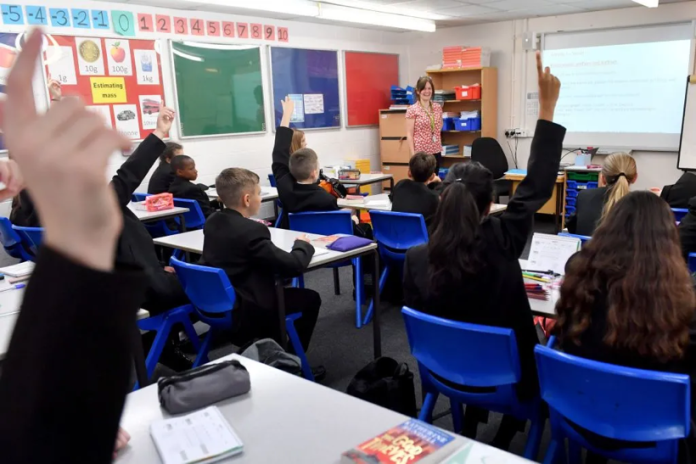
Prolonged interruptions in water and electricity supply have caused significant inconvenience across several parts of the country for households, businesses, educational institutions, and healthcare facilities. These disruptions have impacted daily life and operations, creating a pressing need for immediate and long-term solutions. The immense inconvenience caused by these prolonged interruptions in water and electricity supply has been felt acutely by all sectors of society, from families struggling with daily chores to businesses facing operational setbacks and healthcare facilities striving to maintain essential services.
Acknowledging the Crisis
Government representatives and officials from the National Water and Electricity Company (Nawec) openly acknowledged the challenges currently affecting the country’s energy and water sectors. This public recognition follows a period where the country had experienced approximately two years of relatively stable electricity supply. The recent disruptions mark a departure from that period of consistency, noting the urgent need for a full response. The candid admission by government representatives and Nawec officials shows the severity of the situation and indicates a willingness to confront the issues head-on. This acknowledgement is a key first step in addressing the systemic problems that have led to the current state of affairs, especially given the recent history of improved service.
Demonstrating Democratic Accountability
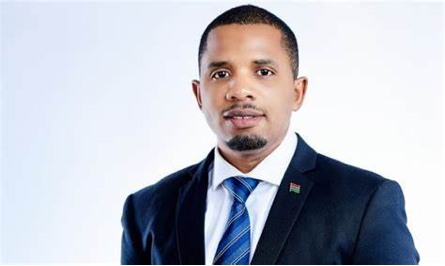
The Minister of Information, Media and Broadcasting Services, Dr Ismaila Ceesay, addressed a press conference alongside officials from the Government and the National Water and Electricity Company (Nawec). This event marked a significant demonstration of democratic accountability. The government stated that the press conference showed a commitment to transparent governance within The Gambia, aiming to address public concerns directly. The press conference itself represented a significant demonstration of democratic accountability and transparent governance in The Gambia, providing a platform for officials to communicate directly with the populace. This proactive engagement is intended to foster trust and demonstrate a government that is responsive to the needs and frustrations of its citizens. The presence of high-ranking officials at such an event signals the seriousness with which the government views the current service delivery challenges.
The Path to Reliable Services
Citizens expect more from a government that has successfully raised expectations through notable improvements in recent years. The people of The Gambia, according to government statements, deserve reliable water and electricity services, transparent communication, and accountability when disruptions occur. Infrastructure systems are inherently complex and vulnerable to unexpected challenges, necessitating constant maintenance, substantial investment, and specialized technical expertise. The current challenge for the government is to translate its assurances into measurable outcomes for the public. The expectation for reliable water and electricity services is not merely a convenience but a fundamental requirement for social and economic development. Transparent communication during times of crisis and clear accountability when things go wrong are equally vital components of good governance. The inherent complexity of infrastructure systems, which are susceptible to unforeseen difficulties, mandates continuous upkeep, significant financial commitment, and highly specialized technical knowledge to ensure their resilience and functionality. Therefore, the critical task for the government now is to move beyond verbal commitments and implement concrete actions that will visibly improve service delivery for all Gambians.