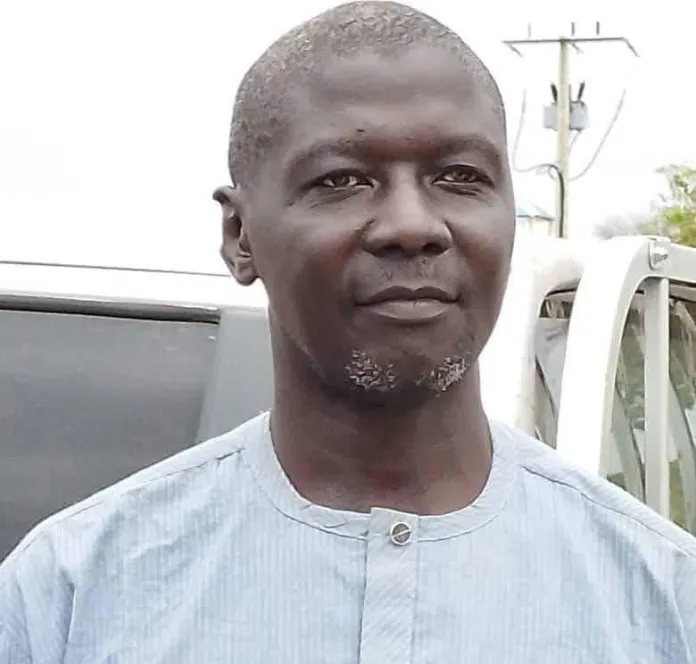
The High Court in Banjul yesterday granted an application by the prosecution for its next state witness to testify in camera in the ongoing case involving alleged Jungler Sanna Manjang. This decision allows the witness to give evidence privately, away from public view and without the presence of the general public. The court's ruling was announced during the continuation of cross-examination of the fourth prosecution witness (PW4). This information was revealed during the continuation of cross-examination of the fourth prosecution witness (PW4), providing a key development in the high-profile proceedings. The proceedings are part of the legal process against Mr. Manjang, who is facing charges related to his alleged involvement as a Jungler during the former regime. The in camera testimony is intended to protect the identity or safety of the upcoming witness in the sensitive trial, a measure the prosecution deemed essential for their security.
Prosecution's Safety Concerns
The state counsel justified the application for the witness to testify in camera by citing significant safety and security concerns. These concerns were explicitly linked to the witness's role during the former regime, suggesting potential risks associated with their past involvement. The prosecution argued that public testimony could put the individual at severe risk, necessitating the protective measure of an in camera hearing. This approach aims to ensure that key evidence can be presented without compromising the well-being of the witness, thereby facilitating the administration of justice while upholding individual safety. The High Court's decision to grant the application reflects an acknowledgment of these potential safety issues in the sensitive trial involving Sanna Manjang. Providing testimony in a private setting is intended to mitigate risks associated with the witness's past involvement and the nature of the ongoing proceedings, which often involve sensitive information and high stakes.
Defence Arguments Rejected
Justice Sidi K Jobarteh granted the prosecution's application for the witness to testify in camera, rejecting arguments presented by the defence. The defence team contended that the unidentified witness, designated as PW6, was not listed in the original bill of indictment. They further described the intended witness as an "afterthought," implying that the prosecution had introduced this witness late in the proceedings and without proper prior notification. The defence also argued that the prosecution had failed to establish any real threat to the witness, emphasizing that the preceding witness had testified publicly without facing intimidation or threats. Despite these objections and the defence's insistence on the lack of demonstrated danger, the court approved the prosecution's request for the private testimony, prioritizing the protective measure. Following the ruling, Justice Jobarteh adjourned the case. The next session is scheduled for Friday, 12 June, when the unidentified sixth prosecution witness (PW6) is expected to give testimony, marking a significant step in the trial.
Court's Duty to Protect
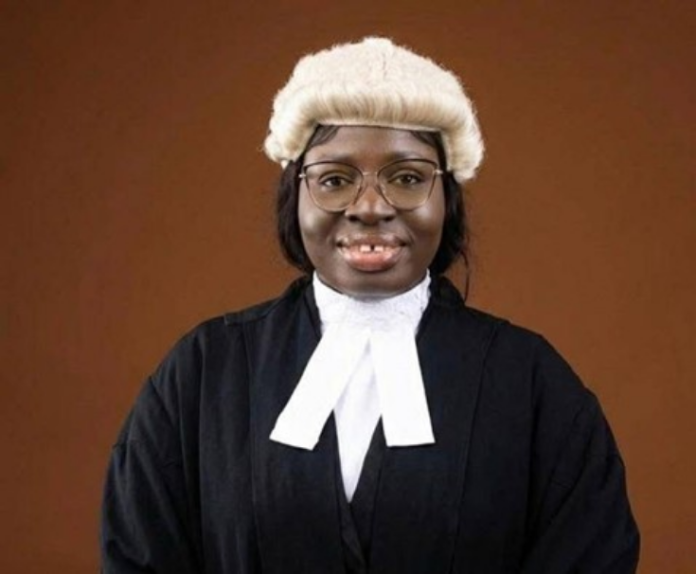
Justice Sidi K Jobarteh acknowledged some points raised by the defence but affirmed the court's responsibility to protect the private lives and safety of individuals. Justice Sidi K Jobarteh stated that although she agreed with parts of the defence’s submissions, the court had a fundamental duty to protect the private lives and safety of individuals, especially in cases of this nature. The court's decision to allow in camera testimony for the witness designated as PW6 was made in this context, showing the judiciary's role in balancing transparency with personal security. The defence counsel, however, maintained that the prosecution had not demonstrated any genuine threat to the witness, reiterating their position that the justification for private testimony was insufficient. They noted that the preceding witness had testified publicly without facing intimidation or threats, suggesting that a similar public testimony would be appropriate for PW6. Despite these arguments and the defence's persistent challenges to the necessity of the in camera hearing, the court proceeded with its ruling to ensure the witness's protection during testimony. The proceedings will continue with the in camera hearing for PW6, as the court moves forward with the trial under these protective measures.