The International Islamic Trade Finance Corporation (ITFC), a member of the Islamic Development Bank (IsDB) Group, commenced its participation at the 2026 IsDB Group Annual Meetings in Baku, Azerbaijan, by finalizing three strategic agreements. These agreements are designed to advance cooperation across several key areas. The focus of the partnerships includes enhancing trade finance mechanisms, fostering trade development initiatives, stimulating private sector growth, and strengthening regional economic cooperation among member countries. The 2026 IsDB Group Annual Meetings, hosted in the vibrant capital of Azerbaijan, provided a key platform for these discussions and subsequent agreements, showing the importance of international collaboration in economic development. The three strategic agreements represent a significant step forward in ITFC's mission to promote trade and economic development within its member states.
Gambia Partnership Details
The International Islamic Trade Finance Corporation (ITFC) finalized a three-year US$250 Million Framework Agreement with the Republic of The Gambia during the IsDB Group Annual Meetings in Baku. This substantial agreement signifies a continued and strengthened commitment to supporting The Gambia's economic progress. The agreement builds upon previous cooperation between the two entities, demonstrating a successful history of partnership. The prior five-year US$250 million Framework Agreement with The Gambia, which was signed in January 2021, has been fully utilized, noting the effectiveness and demand for such financial support. The new framework aims to further support The Gambia's economic development initiatives across various sectors, addressing critical needs and fostering sustainable growth. This renewed commitment from ITFC is expected to have a broad impact on the West African nation's economic landscape.
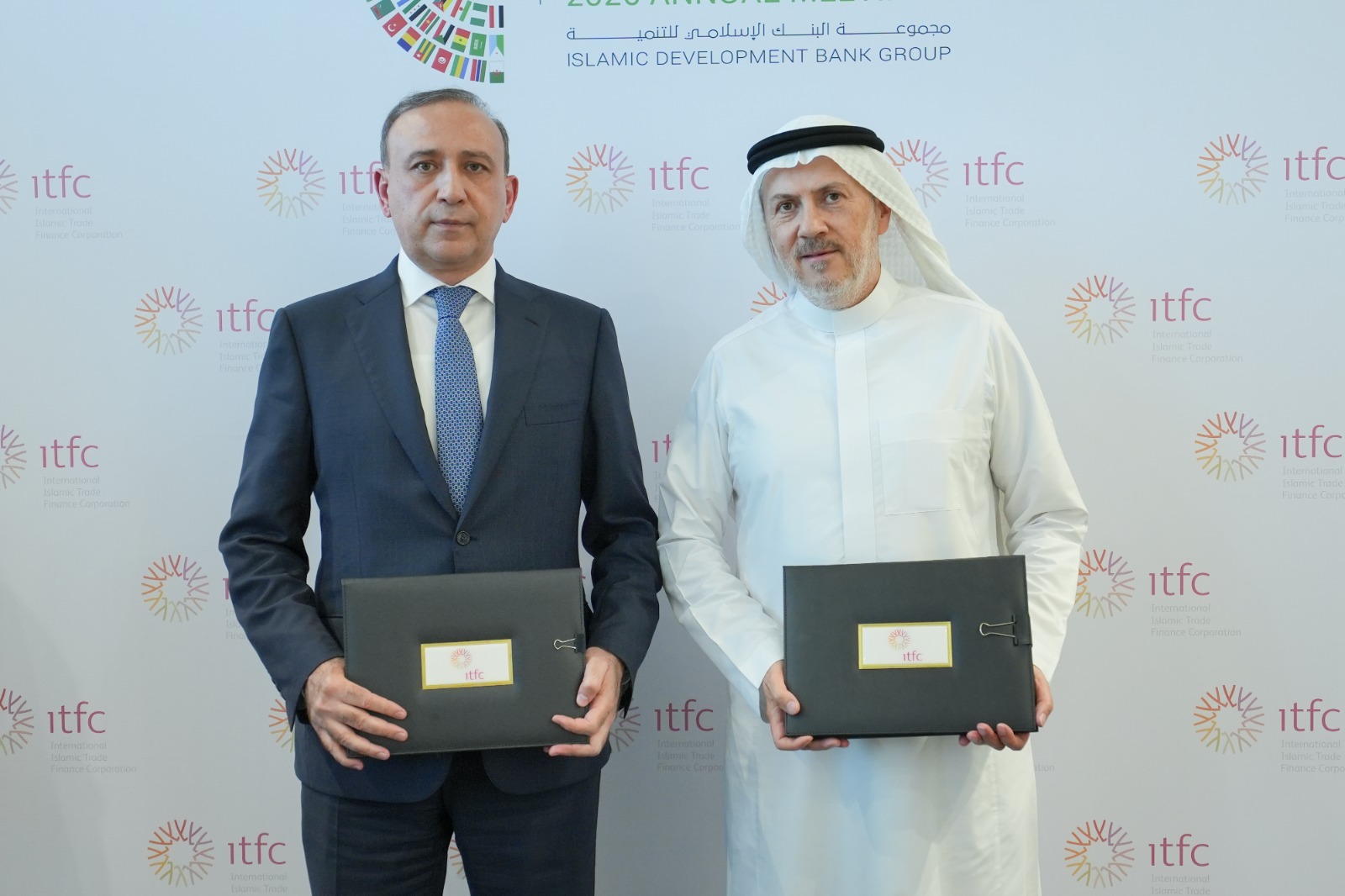
The signing ceremony for the Framework Agreement saw its execution by two key representatives, marking a formal commitment from both parties. Hon. Seedy K.M. Keita, who serves as the Minister of Finance and Economic Affairs of the Republic of The Gambia, signed on behalf of his nation, representing the Gambian government's dedication to this partnership. Eng. Adeeb Yousuf Al Aama, the Chief Executive Officer of ITFC, represented the corporation in sealing the agreement, affirming ITFC's strategic investment in the region. This renewed partnership shows ITFC's ongoing commitment to supporting its member countries through trade finance and development programs, which are vital for economic stability and growth. The framework is designed to facilitate key imports, ensuring the availability of essential goods, and enhance export capabilities within The Gambia, thereby boosting the country's trade balance and foreign exchange earnings. The full utilization of the previous agreement notes the effectiveness and necessity of such financial mechanisms for The Gambia's economy, demonstrating a consistent demand for trade finance solutions that directly contribute to national development objectives. The continued collaboration through this new agreement is expected to play a significant role in fostering sustainable economic progress and resilience in the West African nation over the next three years, supporting its journey towards greater prosperity.
Tajikistan Cotton Financing
The International Islamic Trade Finance Corporation (ITFC) finalized a US$10 Million Direct Murabaha Financing Facility with the Republic of Tajikistan. This agreement is a targeted intervention aimed at bolstering a key sector of Tajikistan's economy. This agreement will support the purchase and trade of cotton and products derived from cotton within Tajikistan, a vital industry for the country's agricultural sector and export revenues. The facility is structured as a pilot program designed to provide working capital to various stakeholders in the cotton sector, including farmers, processors, and traders. This financial support will be channeled through the Agency for Export under the Government of the Republic of Tajikistan, ensuring efficient and strategic distribution of funds to maximize impact. The signing ceremony for this agreement saw Eng. Adeeb Yousuf Al Aama, Chief Executive Officer of ITFC, represent the corporation, emphasizing ITFC's leadership in facilitating trade. Meanwhile, HE. Mr Hokim Holiqzoda, the First Deputy Prime Minister of the Republic of Tajikistan, signed on behalf of his nation, signifying the Tajik government's commitment to developing its cotton industry. This initiative shows ITFC's commitment to supporting key agricultural sectors in its member countries, aiming to boost trade and economic activity in Tajikistan's cotton industry, thereby contributing to rural livelihoods and national economic stability. The Murabaha financing structure aligns with Islamic finance principles, providing a Shariah-compliant solution for trade funding. This facility is expected to enhance the operational capacity of the cotton sector, from cultivation to export, fostering greater efficiency and market competitiveness.
IFC Collaboration for Trade
The International Islamic Trade Finance Corporation (ITFC) signed a Confirming Bank Agreement with the International Finance Corporation (IFC) during the IsDB Group Annual Meetings in Baku. This collaboration marks a significant step in expanding trade finance accessibility. The agreement aims to expand trade finance across common Organization of Islamic Cooperation (OIC) member countries, fostering greater economic integration and trade flows within these regions. Mr. Nazeem Noordali, Chief Operating Officer of ITFC, and Mr. Abdullah Jefri, IFC’s GCC Division Director, signed the agreement, representing the commitment of both influential financial institutions. Through this partnership with IFC, ITFC will leverage IFC’s existing risk-sharing framework and guarantees, which are well-established mechanisms for mitigating trade finance risks. This collaboration is designed to facilitate trade transactions and increase access to trade finance for businesses within OIC member states, thereby supporting economic development and integration in these regions by reducing financial barriers for importers and exporters. The initiative shows ITFC's strategy to work with international partners to amplify its impact on global trade flows, ensuring that more businesses, particularly small and medium-sized enterprises (SMEs), can participate in international trade. The synergy between ITFC's expertise in Islamic trade finance and IFC's global reach and risk mitigation tools is expected to unlock new opportunities for trade growth and economic resilience across OIC countries. This agreement is a testament to the power of strategic alliances in addressing complex financial challenges and promoting sustainable development.
Broader Engagement and Vision
The Framework Agreement with The Gambia will support priority sectors including energy supply, ensuring stable power for development; food security, to safeguard the nation against shortages; healthcare, improving access to vital medical services; agricultural value chains, enhancing productivity and market access for farmers; and private sector financing, to stimulate business growth and job creation. These areas are critical pillars for the country's long-term development strategy. Approximately 37,000 cotton-producing farms and entities engaging an estimated 680,000 people across Tajikistan are expected to benefit from the financing, noting the significant socio-economic impact of the US$10 Million Direct Murabaha Financing Facility. The collaboration between ITFC and IFC is expected to enhance access to trade finance for importers and exporters in OIC member countries, providing key liquidity and risk mitigation for international transactions.
Adeeb Yousuf Al Aama, Chief Executive Officer of ITFC, led the Corporation’s delegation, actively engaging with various stakeholders. He conducted bilateral meetings with governors and delegations from Bangladesh, The Gambia, Guinea, Maldives, Senegal, Somalia, and Tajikistan, fostering direct dialogue and strengthening country-specific partnerships. ITFC also met with partners including Vakif Katilim Bank and Turk Eximbank, exploring avenues for inter-institutional cooperation. Discussions focused on expanding trade finance cooperation, strengthening access to Shariah-compliant financing, which is a core offering of ITFC, and aligning ITFC’s interventions with national development priorities of member countries to ensure maximum relevance and impact. These meetings are key for understanding the evolving needs of member states and tailoring ITFC's support accordingly.
Mr. Nazeem Noordali, ITFC Chief Operating Officer, participated in the Halal Economy Leadership Forum 2026, a key event at the IsDB Group Annual Meetings. This session explored how halal economy models, which encompass a wide range of ethical and Shariah-compliant goods and services, Islamic finance principles, and risk-sharing mechanisms can support regional integration, facilitate MSME (Micro, Small, and Medium Enterprises) participation in global value chains, and promote cross-border trade. The discussions at the forum showed the growing importance of the halal economy as a driver for sustainable and inclusive economic development across OIC member countries and beyond. The insights gained from such forums help ITFC to refine its strategies and offerings to better serve its member states, promoting a holistic approach to economic growth that integrates ethical finance with trade development. The overall engagement at the 2026 IsDB Group Annual Meetings in Baku demonstrated ITFC's proactive role in fostering economic resilience and prosperity through strategic partnerships and innovative financial solutions.