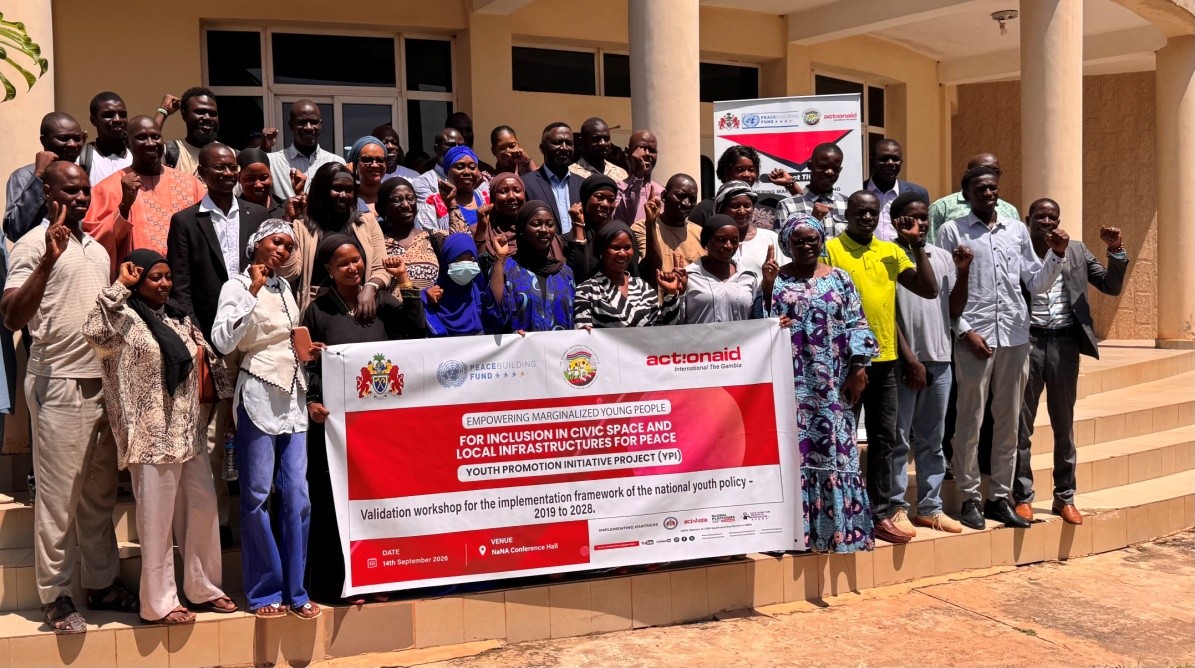
The National Youth Council (NYC) and ActionAid International The Gambia (AAITG) began the validation of the Implementation Framework of the National Youth Policy (2019–2028) on Monday. This key exercise, aimed at finalizing the policy's operational guidelines, took place at the NaNA Conference Hall. The gathering brought together key stakeholders from various sectors, all committed to shaping the future of youth development in The Gambia. The primary objective of the validation process is to ensure that the framework provides a clear, actionable roadmap for the effective implementation of the National Youth Policy over its ten-year span.
Policy Implementation Focus
Ismaila Badjie, Programme Manager at the National Youth Council, outlined the expected impact of the framework during his address. He emphasized that the policy aims to empower young people to become "change makers of today," recognizing their vital role in national progress. Mr. Badjie elaborated on the importance of this framework's validation, stating its purpose is to ensure that the strategic goals of the National Youth Policy (2019–2028) are translated into tangible actions and measurable outcomes across various sectors affecting youth development in The Gambia. He noted that this structured approach is essential for addressing the multifaceted challenges faced by young people and for creating opportunities that foster their growth and contribution to society. The framework is designed to provide practical guidance for all entities involved in youth programming, from government agencies to civil society organizations.
Bulli Dibba, Permanent Secretary at the Ministry of Youth and Sports, further noted the government's steadfast commitment to youth empowerment through the policy. Mr. Dibba showed the critical importance of a clear and full implementation framework to guide all stakeholders involved in youth development initiatives. He stated that effective implementation is key for addressing the myriad challenges faced by young people, which include unemployment, limited access to education, and health disparities. He noted that a strong framework is essential for harnessing their immense potential and ensuring their meaningful contribution to national development and societal progress. The Ministry views this policy as a cornerstone for building a resilient and empowered youth population capable of driving the nation forward.
Stakeholder Input Key
The National Youth Policy, established to guide youth development initiatives, spans a ten-year period from 2019 to 2028. This full framework aims to address various aspects affecting young people in The Gambia over its duration, including education, employment, health, participation, and protection. The ongoing validation process is a critical step in ensuring the policy's objectives remain relevant and actionable throughout this timeframe, allowing for necessary adjustments and refinements based on current realities and emerging needs. The collaborative nature of the validation exercise, involving diverse voices, ensures that the implementation framework is strong, inclusive, and reflective of the aspirations of young Gambians. The overall article, detailing these validation efforts and discussions, was published on September 15, 2026, at 11:50 AM, reflecting contemporary engagement with the policy's implementation. The timely review helps maintain the policy's responsiveness to evolving youth needs and national priorities, ensuring its continued effectiveness.
Call for Commitment
Fafa O. Cham, Head of Programmes and Policy at ActionAid The Gambia, addressed attendees during the validation session, delivering a powerful message. Mr. Cham appealed directly to Gambian youths, urging them to reject all forms of violence and embrace peaceful means of engagement. His call came with particular urgency ahead of the December 5 presidential election, emphasizing the critical importance of peaceful participation in the democratic process. ActionAid The Gambia, as a key partner in the National Youth Policy framework validation, showed the need for youth engagement that prioritizes stability, constructive action, and respect for democratic principles. Mr. Cham reiterated that true empowerment comes from active, peaceful involvement in civic life and decision-making processes, rather than through conflict or disruption.