The Gambia's efforts to address its persistent energy crisis include the OMVG project, an initiative designed to provide power across the region. The OMVG project is structured with two primary components: a transmission component and a generation component. This dual-pronged approach was conceived to not only create new sources of electricity but also to ensure its efficient distribution across member states. The generation aspect specifically involves the planned construction of the Sambangalou Dam. This dam, situated on the River Gambia, is intended to be a key source of hydropower. Upon completion, the Sambangalou Dam is anticipated to yield a generation capacity of approximately 128 megawatts (MW), contributing significantly to the regional energy supply. This project aims to integrate power generation and distribution across participating West African nations, including The Gambia, Senegal, Guinea-Bissau, and Guinea Conakry, fostering greater energy security and economic development. The vision behind the OMVG project was to create a strong, interconnected grid that could leverage the region's hydroelectric potential to meet growing energy demands.
OMVG Project Components and Status
The OMVG project's transmission component involves the construction of major transmission lines and associated substations across four participating nations: The Gambia, Senegal, Guinea-Bissau, and Guinea Conakry. This extensive infrastructure is designed to facilitate the regional distribution of electricity, allowing power to flow efficiently from generation sites to demand centers across national borders. These transmission lines are key for enabling cross-border energy trade and for integrating the various power sources planned for the region. While the overall project encompasses both generation and transmission elements, the Sambangalou Dam, a key part of the generation component, is situated at the border between Senegal and Guinea Conakry. Its strategic location is intended to serve multiple nations once operational.
As of the current status, only the transmission and interconnection portions of the OMVG project are operational. This means that while the physical infrastructure for moving electricity exists, the full benefits of the project's generation capacity remain unrealized because the Sambangalou Dam has not yet been completed. The absence of the Sambangalou Dam's power output significantly impacts the project's ability to fulfill its original mandate of providing new, substantial hydropower to the region. This means that the regional grid relies on other sources, with the OMVG transmission lines primarily facilitating existing power exchanges rather than new hydropower from Sambangalou. Separately, the Guinean government constructed the Souapiti and Kaleta dams, receiving support from China for these independent projects. These dams contribute to Guinea's domestic energy supply but are distinct from the OMVG's planned Sambangalou generation. The operational status of only the transmission component notes a critical gap in the OMVG project's overall implementation, postponing the realization of its full potential for regional energy transformation.
Regional Energy Interdependencies and Shortfalls
The Gambia has been importing electricity from Senegal, indicating an existing dependency within the regional energy framework. This reliance shows the urgent need for The Gambia to either develop its own generation capacity or secure more stable and affordable regional supplies. The original vision for energy trade among OMVG members primarily anticipated power from the Sambangalou, Souapiti, and Kaleta hydro dams. These dams were intended to serve as the main sources for the regional grid, facilitating cross-border electricity exchanges and reducing reliance on more expensive or less reliable energy sources. Among these planned sources, the Souapiti and Kaleta dams possess higher generation capacities compared to the Sambangalou dam, making them potentially more impactful contributors to regional supply. This disparity in capacity notes the potential for certain hydro projects to contribute more significantly to regional supply once fully operational, assuming the transmission infrastructure can effectively deliver their output.
Currently, Senegal stands as the major electricity exporter within the OMVG framework, fulfilling a critical role in regional energy provision. This position shows Senegal's current capacity to generate surplus power for its neighbors, including The Gambia, and notes its relative energy stability compared to other member states. In Guinea, hydropower constitutes a substantial portion of the nation's energy infrastructure, accounting for more than 70% of its total generation capacity. This high reliance on hydroelectric power in Guinea, driven by projects like Souapiti and Kaleta, positions it as a potentially significant future contributor to regional energy stability, provided the necessary transmission infrastructure and agreements are fully realized for wider distribution. Despite this significant hydropower capacity, Guinea Conakry still faces an energy deficit, indicating that even with major hydro projects, domestic demand can outstrip supply or distribution challenges persist. This situation in Guinea serves as a cautionary tale for the region, demonstrating that even abundant generation capacity does not automatically translate into universal energy access or surplus for export without full planning and infrastructure.
The Gambia's Domestic Energy Strategy Deficiencies
The Gambia's domestic energy demand currently exceeds 100 MW, a figure that continues to grow with urbanization and economic development. This substantial demand places immense pressure on the country's limited generation capabilities and often necessitates costly imports. Decisions made by the Adama Barrow administration over nearly ten years have exacerbated the nation's energy challenges, leading to a precarious energy situation rather than sustainable solutions. A significant financial commitment was directed towards securing temporary power solutions, with over $200 million paid to Karpowership for electricity supply. This expenditure on short-term fixes, while addressing immediate power shortages, has been criticized for diverting funds that could have been invested in long-term, sustainable energy infrastructure, thus perpetuating the cycle of dependency and high energy costs. The reliance on such temporary measures shows the lack of a strong, long-term energy strategy that prioritizes domestic generation and regional integration.
In 2024, Guinea formalized an agreement to import 124 MW of electricity from Senegal, indicating regional power trade dynamics that do not currently include significant exports from The Gambia. This agreement further solidifies Senegal's role as a regional energy hub and notes the ongoing energy deficits faced by other OMVG members, even those with significant hydropower resources. The fact that Guinea, with its substantial hydropower capacity, still needs to import such a large amount of electricity from Senegal, shows the complexity of balancing generation, transmission, and domestic demand within the region. This also suggests that the anticipated regional energy trade, envisioned to be primarily sourced from the OMVG hydro dams, has not yet fully materialized in the way initially planned for all members.
Rethinking The Gambia's Energy Future
Despite its operational dams, Guinea Conakry continues to face an energy deficit, demonstrating that even countries rich in hydropower can struggle to meet their rapidly increasing domestic needs. This situation is partly driven by Guinea's burgeoning mining sector, which generates enormous domestic energy demand, further straining its own supply despite existing hydropower infrastructure. The energy-intensive nature of mining operations means that a significant portion of the country's generated electricity is consumed by this sector, leaving less available for residential and other industrial uses, or for export. The Gambia's national utility company, NAWEC, has accumulated months of arrears with Senelec, Senegal's national electricity company. This payment shortfall complicates regional energy trade dynamics, as it undermines the financial viability of cross-border electricity supply and creates reluctance for further agreements.
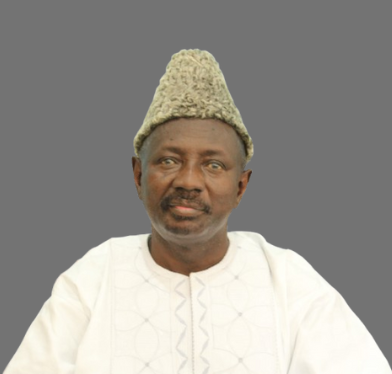
Dr. Ousman Gajigo noted that Senegal is undergoing industrial growth, a process which is energy-intensive. "Senegal is experiencing industrial growth, which is energy-intensive, and will need to expand its own capacity to meet rising domestic demand – demand that will take precedence over foreign customers, including The Gambia," Dr. Gajigo stated. This impending shift in Senegal's energy priorities poses a significant challenge for The Gambia, which heavily relies on Senegalese electricity imports. As Senegal's domestic demand grows, its capacity and willingness to export surplus power to its neighbors may diminish, potentially leaving The Gambia in an even more precarious energy situation. Additionally, Guinea's burgeoning mining sector generates substantial domestic energy demand, further straining its own supply despite existing hydropower infrastructure. These factors suggest increasing internal pressures on energy resources within the OMVG member states, making regional energy cooperation more complex and emphasizing the urgent need for each nation, particularly The Gambia, to develop strong and sustainable domestic energy strategies. The long-term stability of The Gambia's energy supply hinges not only on the completion of regional projects like Sambangalou but also on its ability to strategically plan for its own energy independence amidst a rapidly evolving regional energy landscape.