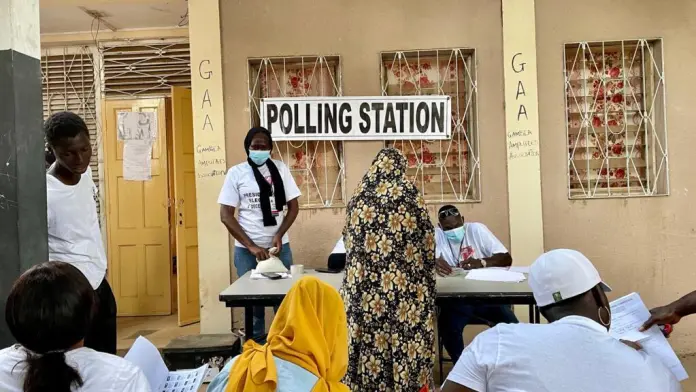
The Gambia's December elections are rapidly approaching, with political observers noting a perceived decline in the opposition's effectiveness in the years following previous polls. As the nation draws closer to this key electoral period, the urgency for a strong and prepared opposition becomes increasingly apparent. Analysts suggest the Gambian opposition became inactive during the inter-election period, a critical time for political development and strategy formulation. This period, often overlooked, is vital for parties to consolidate their base, refine their policy positions, and build the necessary infrastructure to mount a credible challenge to the incumbent. Instead of focusing on institutional growth or policy development, the opposition prioritized individual personalities and short-term campaigns. This approach, according to some assessments, elevated ego above party structures and constitutional principles, hindering the establishment of a strong and unified front against the incumbent. The consequences of this strategic misdirection are now becoming starkly clear as the December elections loom on the horizon.
The Opposition's Functional Deficit
Opposition parties in The Gambia largely exist in name rather than fulfilling their functional roles. This nominal existence, devoid of substantive action, raises serious questions about the health of the country's democratic system. Political observers describe what remains of the opposition as a "graveyard of promises," a poignant metaphor for unfulfilled potential and abandoned aspirations. This characterization shows a deep-seated disillusionment with the opposition's performance and its inability to translate rhetoric into tangible political progress. Political science defines the functions of an opposition as scrutinizing the government, proposing alternative policies, and preparing for future governance. These core responsibilities are fundamental to a healthy democracy, ensuring accountability and offering voters clear alternatives. In mature democracies, the opposition is often regarded as the 'government in waiting', ready to assume power at a moment's notice, equipped with detailed plans and a shadow administration. However, in The Gambia, this vital role appears to have been largely neglected, contributing to a political vacuum.
The Gambian opposition has faced internal challenges that have further debilitated its capacity. An acrimonious split occurred in 2019, further fragmenting its ranks and diverting energy from external challenges to internal squabbles. This division weakened the collective strength of the opposition, making it even harder to present a united front. This internal division was followed by a significant political event in 2020, when the United Democratic Party (UDP)-led National Assembly defeated the draft constitution. This defeat was a key moment, as the proposed constitution aimed to introduce significant reforms, including presidential term limits, which many saw as key for democratic consolidation. The rejection of the draft constitution was a notable moment in the country's political landscape, reflecting deep divisions within the legislative body and noting the opposition's inability to rally sufficient consensus even on issues widely perceived as beneficial for the country's long-term stability. These events have contributed to the perception of a functional deficit within the opposition, limiting its capacity to effectively challenge the incumbent administration and fueling the narrative that the Gambian opposition died in the years between elections when it should have been building, choosing personalities over policies, campaigns over constitutions, and ego over institutions.
Incumbency's Unchallenged Reign
The current government, led by President Barrow, is widely anticipated to continue in power after the upcoming December presidential elections. This expectation stems partly from the perceived operational approach of the opposition, which political observers note tends to thrive on scandals, complaints, and press conferences. While these activities can draw attention, they often fail to translate into sustained political momentum or credible policy alternatives. Critics argue that the opposition currently lacks fundamental governmental structures, such as an alternative budget, a shadow cabinet, or detailed policy plans that could present a credible challenge to the incumbent administration. This absence of substantive preparation suggests a reactive rather than a proactive political strategy, leaving the incumbent relatively unburdened by rigorous scrutiny or compelling alternatives.
A notable aspect of the political landscape was noted during the defeat of the 2020 draft constitution. At that time, the National People's Party (NPP), President Barrow's party, did not have a single assembly member in the National Assembly. This meant that the defeat of the draft constitution was largely orchestrated by elements within the opposition itself, further illustrating their internal divisions and strategic miscalculations. This contrasts sharply with the current political configuration, where the NPP has a stronger presence. Observers suggest that the incumbent president is likely to oversee the retirement of the 'old guard' within the opposition ranks, further consolidating his party's position by effectively sidelining long-standing figures who may have lost their political potency or public appeal. This strategic move could further weaken the opposition's institutional memory and leadership experience, making it even harder for them to regroup and rejuvenate.
The Gambia, with its population of two million people, faces various developmental challenges that could be focal points for a strong opposition. These challenges include, but are not limited to, economic diversification, job creation for a young population, and improving public services. Despite its potential to address these critical national issues, the nation remains dependent on Senegal for its electricity supply, an issue that notes a broader reliance on external resources and a lack of self-sufficiency in key sectors. This dependency is a significant vulnerability for the country and should be a prime target for opposition policy proposals. These factors contribute to an environment where the incumbent party faces limited, organized resistance, thereby paving a relatively clear path for its continued reign, largely due to the opposition's failure to capitalize on these national vulnerabilities with coherent and actionable plans.
A Graveyard of Governance
The Gambian political landscape currently lacks a single opposition party presenting a coherent economic plan, a development plan, a social development plan, a security plan, or an international and multilateral agenda. This absence is notable given the recognized role of an opposition in providing alternative policy frameworks. In a functioning democracy, the opposition is expected to offer a full vision for the country's future, addressing various sectors of governance with detailed strategies. However, critics observe that instead of developing substantive policy papers, opposition parties in The Gambia have primarily focused on issuing press releases during the years between elections. This approach suggests a focus on reactive communication rather than proactive policy formulation, an indicator of a fundamental disconnect from the responsibilities of a 'government in waiting'. This reliance on press releases, often in response to government actions or public sentiment, provides little in the way of a long-term vision or a credible alternative for voters.
Some observers characterize the Gambian opposition as a "government in waiting for outrage," implying that its activities are often spurred by public dissatisfaction or specific incidents rather than a consistent, long-term vision for governance. This reactive stance contrasts sharply with the traditional role of an opposition preparing to assume power, which involves careful planning, policy development, and the cultivation of a broad support base. The lack of detailed policy documents across critical sectors—from economic stability and growth to social welfare, national security, and international relations—shows a profound strategic deficit. Without these foundational elements, the opposition struggles to present itself as a viable alternative to the incumbent, leaving voters with limited choices beyond the status quo. This failure to articulate a full and actionable agenda reinforces the perception that the opposition is not genuinely ready to govern.
A significant shift in the balance of power occurred between 2017 and 2018. During this period, the United Democratic Party (UDP) controlled key government ministries, institutions, and diplomatic services. This level of control demonstrated a previous capacity for the UDP to directly influence and shape national policy and administration. The UDP held a super majority in the National Assembly, giving it substantial legislative influence and the power to pass significant reforms. This past period of significant control notes a previous capacity for the UDP to shape national policy, making its current perceived inertia and functional deficit all the more striking. The contrast between its past influence and its current perceived state of disarray raises questions about the internal dynamics and strategic choices that have led to its diminished role.
The Gambia, with its population of two million people, is significantly smaller than its neighbor. Senegal has a population of 18 million people, illustrating a notable disparity in demographic scale between the two nations. This demographic context further emphasizes the unique challenges and opportunities for a nation of The Gambia's size, where effective governance and a strong opposition are particularly key for sustained development and democratic health. The relatively small population means that political parties, especially the opposition, have a more direct opportunity to connect with citizens and understand their needs, yet this potential remains largely untapped by the current opposition landscape.