President Adama Barrow publicly appealed to Sidia Jatta earlier this week, urging him to join the administration. The appeal was made during the launch of a road project in Wuli, which is Jatta's native area. President Barrow specifically called for Jatta to join him in his efforts to advance the nation. Barrow's call for unity comes as he seeks broader support for his government's initiatives, particularly development projects across the Gambia. The event in Wuli provided a prominent platform for the President to extend an open invitation to respected figures like Jatta, signaling a persistent push for national consensus on key development goals. This public overture by President Barrow showed his administration's desire to incorporate diverse political perspectives into its national agenda.
Jatta Dismisses Barrow's Overture
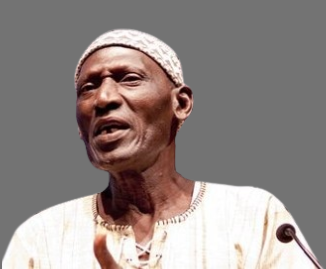
Sidia Jatta, a veteran politician, stated that President Adama Barrow is currently engaged in a political campaign, making statements designed to impress the public. Jatta described Barrow's actions as a strategy to garner favor, asserting that the President is "saying anything that would impress people." He further indicated that President Barrow has been repeatedly mentioning his name in various public forums, a practice Jatta views with skepticism. Jatta dismissed the significance of these repeated mentions, stating emphatically that it "does not matter" and that Barrow has been "calling his name everywhere." This dismissive stance notes Jatta's belief that the President's public appeals are more about political posturing than genuine collaboration.
Critique of Development Projects
Sidia Jatta characterized the road initiative recently launched by President Adama Barrow in Wuli as the same feeder road project whose foundation Barrow had previously laid in Chamoi. Jatta’s comments suggest a critical view of the declared development efforts, implying a distinct lack of novelty or progress in the projects presented by the administration. This assessment by Jatta directly questions the government's narrative surrounding its infrastructure developments, suggesting a pattern of repackaging existing initiatives. The repeated mention of the same project, according to Jatta, significantly undermines the perception of new and impactful initiatives being undertaken by the current administration, raising concerns about the transparency and originality of the government's infrastructure agenda.
Veteran Politician's Stance
Sidia Jatta described President Adama Barrow's comments as political propaganda. Jatta stated that Barrow's remarks were explicitly aimed at impressing the electorate, rather than reflecting a genuine, sincere call for national unity on development. This firm stance from the veteran politician follows President Barrow's public appeal for Jatta to join his administration, an appeal made during a road project launch in Wuli, Jatta's home region. Jatta's characterization suggests a deep skepticism regarding the motivations behind the President's public outreach, viewing it primarily as a strategic political maneuver. He has consistently maintained a critical perspective on the government's development narrative, indicating that such calls are part of a broader political strategy employed by the current administration to sway public opinion.
Broader Political Context
The political landscape in Gambia frequently sees interactions and public exchanges between established figures like Sidia Jatta and the incumbent administration led by President Adama Barrow. Such exchanges often occur amidst public events and development project launches, reflecting an ongoing discourse about national direction and governance. These dynamics are a regular and prominent feature of the country's political environment, showcasing the continuous interplay between opposition figures and the ruling party. The public nature of these appeals and rebuttals shows the vibrant, albeit sometimes contentious, political dialogue that shapes Gambia's national development agenda.