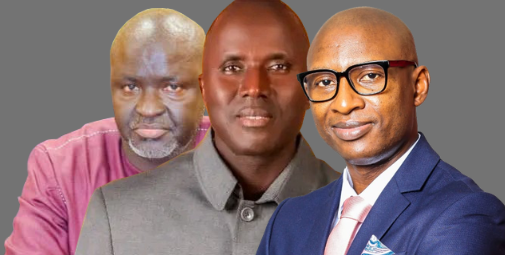
The widespread and irresponsible use of tribal stereotypes in The Gambia should be alarming, reflecting a deeper, more insidious issue within the nation. It points to a foundational challenge that has been allowed to fester, growing more entrenched with each passing year. The Gambia, since gaining independence, has not taken practical steps to confront harmful cultural aspects or to nurture a national culture of diversity and inclusion, a critical oversight that now threatens the very fabric of its society. This lack of proactive engagement has created a vacuum where divisive narratives can thrive, undermining efforts towards national unity. Despite a public celebration of intermarriage and joking relationships, traditions that superficially suggest harmony and understanding, tribalism in the country appears to be increasing, becoming a more potent force in public discourse and private interactions. This concerning trend suggests that while outward displays of unity exist, deeper currents of division are at play. A recent public uproar involving Imam Baba Leigh, Imam Daru Sanyang, and Seedy Njie noted the deep-rooted nature of tribalism and prejudice present in Gambian society, laying bare the uncomfortable truth that these sentiments are not merely fringe opinions but are woven into the societal tapestry. In The Gambia, issues and people are frequently viewed through the narrow, often distorting, lens of ethnicity, political party, or religion, rather than through a shared national identity or universal principles of justice and fairness. This widespread framing of reality through identity groups creates an environment ripe for misunderstanding and conflict, where collective good often takes a backseat to group loyalty.
The Insidious Rise of Divisive Language
Genocide begins not with mass graves, but with words, stereotypes, jokes, and scapegoating, according to observers of societal conflict. This chilling observation shows the critical importance of monitoring and challenging the language used in public and private spheres. This destructive process is cultivated over time through small, seemingly innocuous acts of prejudice, discrimination, and dehumanization that society often ignores or normalizes. These incremental steps, if left unchecked, gradually erode empathy and build a foundation for greater animosity. In The Gambia, stereotypical, discriminatory, tribalist, sexist, or homophobic statements are reportedly made daily in various public and private spaces, contributing to an environment where such language becomes commonplace. These remarks frequently go unnoticed and unchallenged, allowing them to gain acceptance and reinforcement within communities, thereby embedding harmful biases deeper into the collective consciousness. The silence surrounding these statements tacitly endorses them, signaling that such expressions are acceptable, or at least not severely punishable.
Within families and friend circles in The Gambia, derogatory comments about other ethnic communities are disturbingly common, normalizing prejudice at the most intimate levels of society. This constant exposure to negative stereotypes can subtly, yet powerfully, shape perceptions and attitudes from a young age. Years ago, a commentator stated that 'Truth no longer exists in The Gambia as we do not even agree on basic facts,' a profoundly troubling assessment of the national discourse. This inability to find common ground on objective truths is a dangerous indicator. A society unable to agree on fundamental facts is described as moving towards division and conflict, as shared understanding, which is essential for collective action and national cohesion, begins to disintegrate. This environment fosters a sectarian mindset that excuses or condemns corruption, abuse of office, and issues of justice based solely on identity or party affiliation, rather than on objective moral or legal standards. Such a mindset prioritizes group loyalty above all else, making accountability nearly impossible and perpetuating cycles of injustice.
In such a context, principles tend to disappear, becoming flexible and negotiable depending on who is involved. Facts become negotiable, losing their objective weight as they are twisted to fit partisan narratives. Consequently, wrongdoing is often defended if the perpetrator belongs to 'our' group, regardless of the severity or impact of their actions. This tribalistic defense mechanism corrodes the rule of law and undermines public trust in institutions. Madi Jobarteh, a prominent voice, stated, "Resorting to whataboutism and false equivalence because we wish to defend someone from our tribe, religion or political party will ultimately consume us all." This practice of resorting to whataboutism and false equivalence to defend one's group is seen as a path leading to collective destruction, as it prevents genuine introspection, accountability, and ultimately, progress. It creates an endless loop of blame and justification, where no real solutions can emerge, and grievances only deepen. The long-term consequences of such behavior include the erosion of national unity, the breakdown of social order, and the potential for severe societal fragmentation.
Exploiting Differences for Power
The pursuit of power and privilege is observed to exacerbate bigotry related to religion, ethnicity, gender, disability, and age within The Gambia's political landscape. This dynamic contributes to a societal environment where differences are amplified for political gain, turning what should be sources of diversity into wedges of division. Politicians and influential figures often exploit these existing fault lines, using them to mobilize support and consolidate control, rather than to foster unity. This strategic manipulation of identity for political advantage creates a vicious cycle, where the more divided society becomes, the easier it is for certain actors to gain power by appealing to narrow group interests.
Tribalism and prejudice are reportedly prevalent not only in public institutions, such as government offices, security forces, and educational bodies, but also within the private sector and civil society organizations across the country. This widespread presence suggests that discriminatory attitudes are deeply embedded in various facets of Gambian life, affecting employment opportunities, access to services, and everyday social interactions. The pervasiveness of these biases means that individuals often face discrimination not just from the state, but from their employers, colleagues, and even organizations meant to serve the public good. This creates a systemic barrier to equality and justice for many citizens, regardless of where they seek to engage within society.
Religious, cultural, regional, and biological differences are cynically exploited as justifications for discrimination and violence in the relentless pursuit of power. This manipulation of identity markers allows for the targeting of specific groups, creating divisions that can be leveraged by those seeking control or influence over resources, political positions, or economic opportunities. The exploitation of these inherent differences transforms them from benign variations into potent tools for social stratification and political advantage, often at the expense of national cohesion and peace. This approach frequently leads to the marginalization of certain communities, pushing them to the fringes of society and denying them equitable access to opportunities and representation. It fuels conflicts that undermine national cohesion, as groups are pitted against each other based on manufactured grievances and perceived threats. The widespread nature of such exploitation indicates a systemic issue where identity is weaponized rather than celebrated, fostering an environment of mistrust and antagonism that can have long-lasting and devastating consequences for the nation's stability and development.
Lessons from History and Global Shifts
The genocide against the Tutsi in Rwanda serves as a stark historical warning, demonstrating how the rejection of truth, manipulation of identity, and systematic spread of sectarian propaganda can precede widespread violence. This horrific event stands as a testament to the destructive power of unchecked tribalism and hate speech. Madi Jobarteh stated, "The genocide against the Tutsi in Rwanda was preceded by the rejection of Truth, the manipulation of identity and the systematic spread of sectarian propaganda, even though Hutus and Tutsis shared a common language and lived together in the same communities." This key detail notes that shared culture and proximity are not sufficient safeguards against division when powerful forces are at play. Jobarteh explained that names, perceived physical features, and social backgrounds were meticulously exploited and weaponized to determine who was Hutu or Tutsi, creating artificial distinctions where none were inherently meaningful. When the violence erupted, neighbors, relatives, and members of the same communities turned against one another, leading to the utter destruction of families and communities, a horrifying outcome that shows the fragility of peace when identity is weaponized.
In Rwanda, identity markers were weaponized, transforming shared communities into battlegrounds and leading to neighbors and relatives turning against each other in unspeakable acts of violence. This historical example shows the potential consequences of allowing identity-based divisions to fester and be exploited, demonstrating how quickly words can translate into unimaginable atrocities. It serves as a grim reminder that societies must actively resist the manipulation of identity and promote a culture of respect and understanding.
Globally, many Western countries have undertaken significant efforts to reform cultural norms and language to reflect greater sensitivity towards diversity. These reforms often aim to foster more inclusive societies and prevent the dehumanization that can precede conflict, recognizing the profound impact of language on thought and behavior. This proactive approach seeks to dismantle systemic biases and create environments where all individuals feel valued and respected. These efforts are not merely cosmetic; they represent a conscious commitment to evolving societal standards to better reflect principles of equality and human dignity.
An illustrative example of such language reform is the shift from using "chairman" to "chairperson." This seemingly small change demonstrates how modifying language can contribute significantly to shaping public consciousness and influencing conduct, promoting more equitable representation and recognition across genders. Such linguistic adjustments are part of broader societal efforts to address historical biases and create environments that are less conducive to discrimination, fostering a more inclusive and harmonious society. They reflect a growing awareness that language is not neutral; it actively shapes our perceptions of reality and our interactions with one another.
A Call for Collective Responsibility
Action is needed immediately to prevent divisive language from escalating into harmful practices, which could in turn lead to persecution and ultimately tragedy. The historical lessons are clear: inaction in the face of escalating rhetoric carries a heavy price. Tribalism, regardless of who perpetrates it or who is targeted, is inherently wrong and requires consistent condemnation and collective confrontation. It is not a matter of political expediency or selective outrage; it is a fundamental ethical imperative to reject all forms of discrimination based on group identity. A unified approach is necessary to address these issues before they further erode social cohesion, leading to irreparable damage to the nation's fabric. This requires a concerted effort from all sectors of society—government, civil society, religious leaders, educational institutions, and individual citizens—to actively challenge and dismantle the structures and narratives that perpetuate tribalism. Action is needed now before words become practices, practices become persecution, and persecution becomes tragedy. The time for passive observation is long past; the future of The Gambia depends on a courageous and united stand against the divisive forces that threaten its peace and stability.